

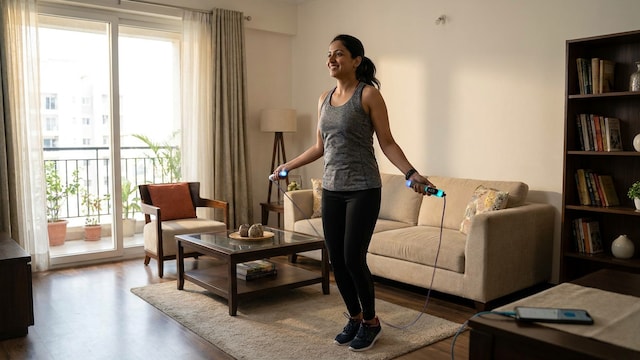
Smart skipping ropes and fitness apps are becoming popular among people who want to stay active without spending several hours at the gym. Unlike traditional skipping ropes, smart versions can track workout data such as the number of jumps, calories burned and exercise duration. Fitness apps take this further by recording activity, setting goals and reminding users to move. Together, these promise to make workouts better.
However, starting a fitness routine is easier than sticking to it. Busy schedules, tiredness, boredom and a lack of visible progress can make people skip workouts. Smart fitness devices aim to address these problems by providing feedback and helping users track their workouts. But do these technologies actually improve consistency, or do they simply make exercise more complicated? Read on to know more.
How Smart Skipping Ropes And Fitness Apps Can Improve Consistency
1. Progress Is Easier To Track
One of the biggest advantages of smart skipping ropes is that they automatically record workout data. Depending on the model, they may track jump counts, exercise time, workout duration and estimated calories burned. This helps users understand how much activity they complete during each session. Fitness apps can give you a picture by recording daily steps, workout frequency and weekly activity levels. Seeing progress over time can encourage people to continue exercising.
2. Users Can Set Realistic Goals
Setting achievable goals can make exercise easier to maintain. Smart skipping ropes and fitness apps allow users to create targets based on their current fitness levels. For example, a beginner might aim to skip for five minutes a day rather than attempting a long workout. Once this is manageable, the duration or number of jumps can be increased. Fitness apps can also help users divide larger goals into smaller ones.
3. Reminders Can Reduce Missed Workouts
People often miss workouts because they forget, become distracted or struggle to find time. Fitness apps can send reminders that help users to complete planned sessions. Some apps also allow users to schedule workouts according to their daily routines. For example, a reminder to exercise after work can help turn physical activity into a regular habit.
4. Gamification
Many fitness apps use features such as badges, streaks, challenges and achievement milestones that can make exercise feel rewarding. Smart skipping ropes may offer similar features through connected apps, allowing users to monitor performance or compete against personal records. These features can make repetitive workouts more engaging. Maintaining a streak or reaching a new jump-count target may encourage people to return for another session.
5. They Can Create Accountability
Some fitness apps allow users to share workout achievements, join group challenges or compare progress with friends. This can create a sense of accountability, especially for people who find it difficult to exercise alone. For example, participating in a weekly skipping challenge with friends may encourage someone to complete planned sessions more regularly. Sharing progress can also give you motivation when personal results seem slow.
6. Short Workouts
Skipping is a convenient cardiovascular activity that can be performed at home with little equipment. A smart skipping rope can help users monitor short sessions, making it easier to fit exercise into a busy day. Fitness apps can support this by recording brief workouts and showing how they add up to weekly activity levels. This can help people understand that exercise does not always need a long gym session. Beginners should start slowly, as skipping places stress on the feet, ankles and knees.
7. Consistency Depends On Habits
Technology can support a fitness routine, but it cannot replace motivation, planning and realistic expectations. A person who buys a smart skipping rope but rarely uses it is unlikely to benefit because the equipment tracks performance. Choosing a convenient workout time, starting with manageable goals and gradually increasing activity are still more important.
Do They Really Improve Consistency?
Smart skipping ropes and fitness apps can improve consistency by tracking progress, setting goals, sending reminders and making workouts more engaging. However, these tools are not a guarantee of long-term success. Consistency comes from having a realistic routine that can be maintained over time.
Disclaimer: This content including advice provides generic information only. It is in no way a substitute for a qualified medical opinion. Always consult a specialist or your own doctor for more information. NDTV does not claim responsibility for this information.