

)
Health officials in the United States are investigating a growing outbreak of cyclosporiasis, which is a diarrhoeal illness caused by the parasite Cyclospora cayetanensis. According to the US Centers for Disease Control and Prevention (CDC), more than 145 cases have been reported across at least 17 states. New York, Texas and Illinois have recorded some of the highest numbers of cases. Around 20 people have been hospitalised, though no deaths have been linked to the outbreak so far. Investigators believe the infections are connected to contaminated food, but they are still working to identify the exact source.
Since Cyclospora infections are often linked to fresh produce such as leafy greens, herbs and berries, health authorities are tracing food supply chains to determine where the contamination happened.
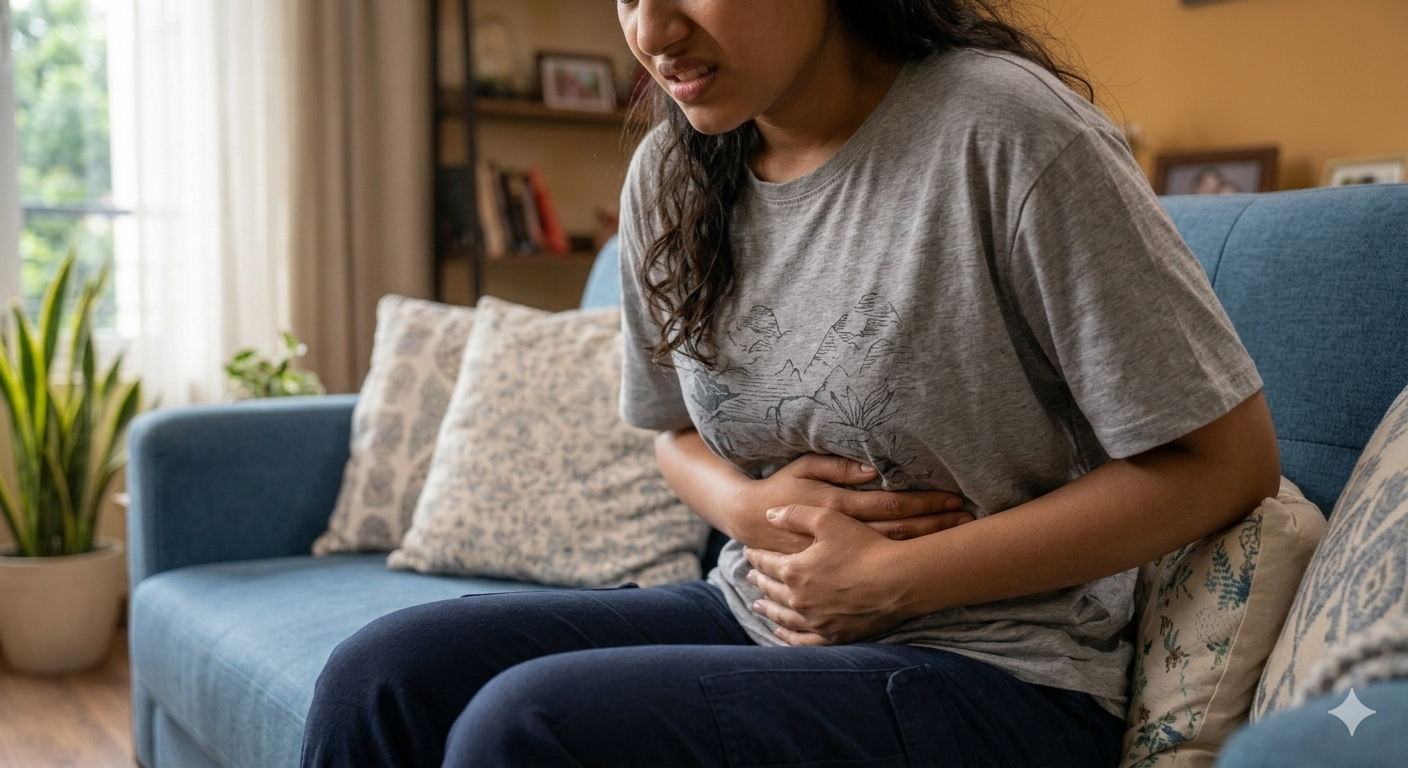
Patients have reported symptoms such as severe watery or "explosive" diarrhoea, stomach cramps, nausea, fatigue and loss of appetite. While the illness is rarely life-threatening in healthy individuals, it can last for several weeks if left untreated and may lead to dehydration.
What Is Cyclospora?
Cyclospora is a microscopic parasite called Cyclospora cayetanensis that infects the small intestine and causes an illness known as cyclosporiasis. The parasite is too small to be seen without a microscope and spreads when people consume food or water contaminated with infected human waste.
Unlike bacteria or viruses that can spread directly from one person to another, Cyclospora follows a different pattern. After leaving the body through stool, the parasite needs several days or even weeks in the environment before it becomes infectious. Due to this, direct person-to-person transmission is considered very rare. Instead, outbreaks are usually linked to contaminated food or water, particularly fresh fruits and vegetables that are eaten without cooking.
Symptoms Of Cyclospora
Symptoms usually begin about one week after a person consumes contaminated food or water, although the timing may vary. The most common symptom is frequent watery diarrhoea, which can become severe and is often described as "explosive."
Other symptoms may include:
- Stomach cramps and abdominal pain
- Nausea and vomiting
- Bloating and excessive gas
- Loss of appetite
- Fatigue and weakness
- Weight loss
- Mild fever in some people
If left untreated, symptoms may continue for several weeks or even come and go over a month or longer. Severe diarrhoea can also lead to dehydration, especially in children, older adults and people with weakened immune systems.
How Is Cyclospora Treated?
Doctors usually diagnose cyclosporiasis through stool tests that detect the parasite. Since the symptoms are similar to many other stomach infections, laboratory testing is often needed for confirmation.
The standard treatment is a course of antibiotics, which is generally effective in clearing the infection. Patients are also advised to drink plenty of fluids or oral rehydration solutions to replace lost water and electrolytes caused by diarrhoea. Most people recover fully after receiving proper treatment, although recovery may take time if the infection has been present for several weeks.
Could Cyclospora Spread In India?
The current outbreak has not been reported in India, and there is no evidence that the infections in the US have spread to the country. However, Cyclospora is not completely unfamiliar to India. Sporadic cases have been reported over the years, particularly in places where sanitation, wastewater management and access to clean drinking water remain challenges.
Like many foodborne diseases, the risk depends more on hygiene and food handling practices. If fruits or vegetables become contaminated during farming, washing, transport or preparation, the parasite can enter the food chain. Since India has a warm climate and consumes a large quantity of fresh produce, maintaining strict food safety standards is important to reduce the risk of outbreaks.
How Can You Protect Yourself?
Although it may not always be possible to know whether food is contaminated, a few simple precautions can lower the risk of infection.
- Wash your hands thoroughly with soap before eating and after using the toilet
- Wash fruits and vegetables carefully under clean running water before consuming them
- Drink safe, filtered or boiled water, especially in areas where water quality is uncertain
- Avoid eating raw food from places where hygiene standards appear poor
- Keep kitchen surfaces, utensils and cutting boards clean
- Store food properly and avoid cross-contamination between raw and ready-to-eat items
Good hygiene practices are especially important for young children, older adults, pregnant women and people with weakened immune systems, as they may be more vulnerable to complications.
Disclaimer: This content including advice provides generic information only. It is in no way a substitute for a qualified medical opinion. Always consult a specialist or your own doctor for more information. NDTV does not claim responsibility for this information.