

)
Choreographer Bosco Martis was recently hospitalised in Mumbai after reportedly experiencing chest discomfort, raising concerns about heart health and the importance of recognising warning signs early. According to reports, Bosco underwent medical evaluation, including an angiography, and is said to be recovering well. While the exact cause of his hospitalisation is not known, the incident has once again highlighted how symptoms such as chest pain or discomfort should never be ignored.
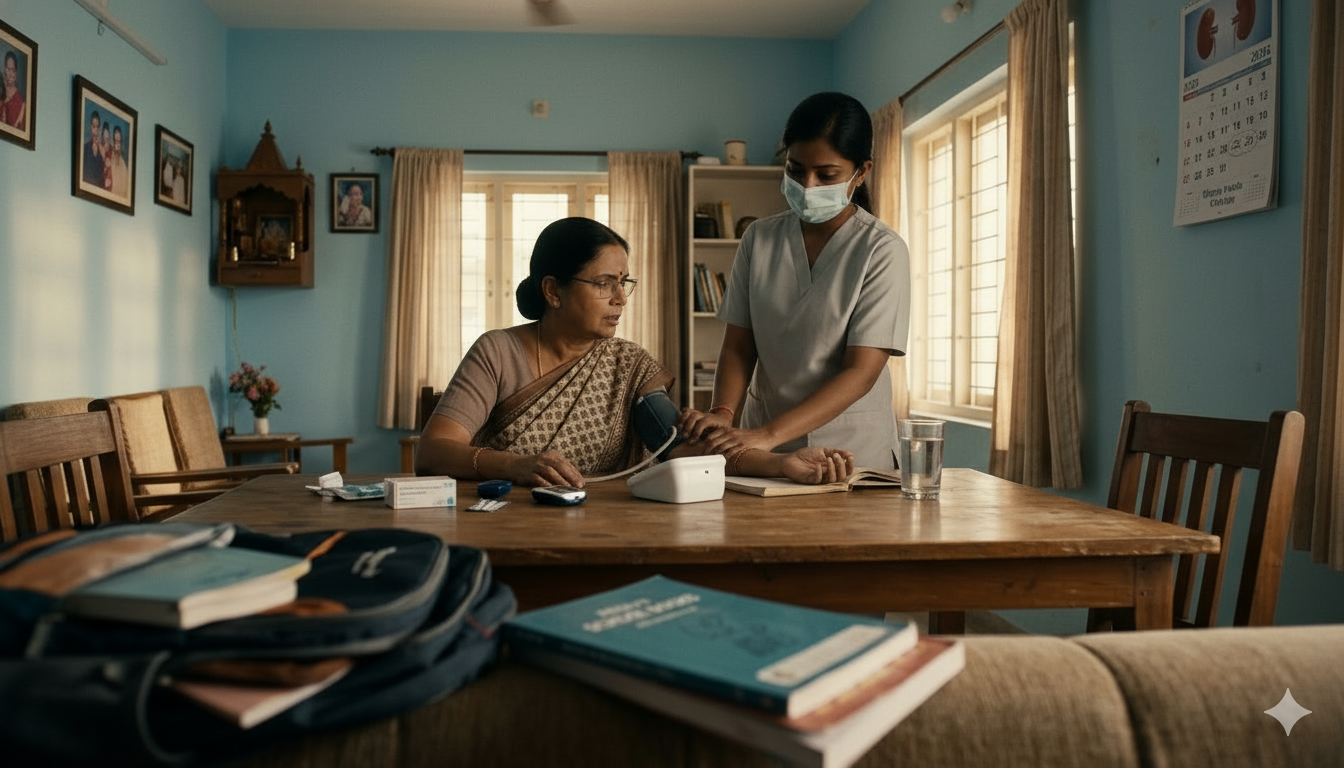
A lot of heart-related emergencies are linked to underlying health conditions that often go unnoticed for years, with hypertension, or high blood pressure, being one of the most common. Often called the "silent killer," hypertension may not cause noticeable symptoms until serious complications develop. This makes regular health check-ups extremely important, especially for people with risk factors such as obesity, diabetes, smoking, stress, or a family history of heart disease. It is important to understand that uncontrolled blood pressure can affect the body severely and it's crucial to take timely action.
Why High Blood Pressure Can Lead To Hospitalisation
Speaking to NDTV, Dr Praveen Raman Mishra, Associate Consultant, Cardiology, ShardaCare-Healthcity, said that high blood pressure can certainly lead to hospitalisation, and it is something doctors encounter quite often.
He explains that hypertension is known as the "silent killer" because many people feel completely normal even while the condition is damaging important organs. The absence of symptoms does not mean the condition is harmless. Persistently high blood pressure gradually damages blood vessels, increasing the risk of several life-threatening complications that may require emergency medical care.
Stroke Is One Of The Biggest Risks
"One of the most serious complications is stroke. Uncontrolled hypertension can either block blood flow to the brain or cause a blood vessel to rupture, leading to paralysis, speech difficulties, or loss of consciousness. These patients require immediate hospital care," said Dr Mishra.
He says that patients suffering a stroke may experience paralysis, difficulty speaking, confusion, weakness on one side of the body, or even loss of consciousness. Immediate hospital treatment is essential because early intervention can improve recovery and reduce permanent disability.
The Heart Faces Extra Pressure
The heart is another organ that suffers when blood pressure remains consistently high. Because the heart has to work harder to pump blood throughout the body, the extra strain can eventually cause serious problems.
According to Dr Mishra, uncontrolled hypertension increases the risk of heart attacks, heart failure, and abnormal heart rhythms. Many patients arrive at emergency departments with severe chest pain or shortness of breath, both of which require urgent medical evaluation and treatment.
Kidneys Can Also Be Damaged
High blood pressure does not only affect the heart and brain. It can also damage the kidneys over time. "The kidneys contain delicate blood vessels that help filter waste from the body. High blood pressure damages these vessels over time and may lead to chronic kidney disease or even kidney failure, sometimes requiring dialysis," said Dr Mishra.
Persistent hypertension gradually damages the tiny blood vessels, reducing kidney function. In severe cases, this can lead to chronic kidney disease or even kidney failure, with some patients eventually requiring dialysis to survive.
When Blood Pressure Becomes A Medical Emergency
Dr Mishra also warns about hypertensive emergencies, also known as hypertensive crises. This happens when blood pressure rises to dangerously high levels within a short period.
People experiencing a hypertensive crisis may develop severe headaches, blurred vision, confusion, chest pain, seizures, or difficulty breathing. Without immediate hospital treatment, this condition can rapidly damage the brain, heart, kidneys, and even the eyes. Prompt medical care is essential to prevent life-threatening complications.
Preventing Serious Complications
While the risks associated with hypertension are serious, they can often be prevented with proper management. Dr Mishra emphasises that high blood pressure is a manageable condition when diagnosed early.
Simple lifestyle changes such as getting regular blood pressure checks, eating a balanced diet, reducing salt intake, staying physically active, avoiding tobacco, limiting alcohol consumption, maintaining a healthy weight, and taking prescribed medications consistently can significantly lower the risk of complications and hospitalisation.
"High blood pressure should never be ignored. Early diagnosis and timely treatment save lives," said Dr Mishra. Early diagnosis, regular monitoring, and timely treatment remain the most effective ways to protect the heart, brain, kidneys, and overall health.
Disclaimer: This content including advice provides generic information only. It is in no way a substitute for a qualified medical opinion. Always consult a specialist or your own doctor for more information. NDTV does not claim responsibility for this information.