

)
Weight loss is never an easy journey. There are several factors that need to be taken into consideration, from your diet, to sleep, physical activity and more. It also comes with an uncomfortable trade-off: eating fewer calories. However, doing so can leave you feeling hungry and making it difficult to stick to a diet for long. Now, a new study suggests that weight loss may not always require smaller portions or constant calorie counting. Instead, changing what is on your plate can help you naturally eat fewer calories while still consuming a satisfying amount of food.
The study, published in JAMA Network Open, found that a low-fat vegan diet lowered the energy density of food by about 30%. Participants ate roughly the same amount of food by weight but consumed fewer calories and lost weight. The researchers say the effect may be linked to the higher amount of water- and fibre-rich plant foods in the diet.
Hana Kahleova, MD, PhD, director of clinical research at the Physicians Committee for Responsible Medicine and lead author, said, "This helps answer a question people often have about plant-based eating: How can you lose weight without counting calories or going hungry? The answer is energy density. Plant foods are rich in water and fibre, so you can fill your plate, feel full, and still take in fewer calories."
What Did The Study Find?
The study was an analysis of a 16-week randomised clinical trial involving 244 adults who were overweight. Participants were randomly assigned to either follow an ad libitum low-fat vegan diet or continue their usual diet as a control group. "Ad libitum" means participants were allowed to eat according to hunger and fullness rather than being given a specific calorie limit.
Importantly, participants following the vegan diet were not instructed to reduce their portions or deliberately restrict calories. Researchers instead looked at the energy density of the foods they ate and how this changed during the study.
By the end of 16 weeks, total food weight did not change significantly. However, calorie intake fell more in the vegan group, by about 357 calories per day compared with the control group. At the same time, dietary energy density dropped by approximately 30% among people following the vegan diet.
"This isn't about willpower or smaller portions," Dr. Kahleova said. "It's about choosing foods that naturally deliver fewer calories in every bite. A 30% reduction in energy density is a substantial shift that would be very hard to achieve and sustain through portion control alone."
What Is Energy Density?
Energy density simply means how many calories a food contains in a given amount of weight, usually measured as calories per gram. For example, vegetables and many fruits contain a lot of water and fibre, so they can provide a large amount of food for relatively few calories. Foods such as oils, fatty meats, cheese and other high-fat products contain considerably more calories in a smaller amount. This means two plates can look similar in size but contain very different numbers of calories.
The researchers suggest that lowering energy density can allow people to eat a satisfying volume of food while naturally consuming fewer calories. Their analysis found that higher reductions in dietary energy density were linked to higher weight loss, even after accounting for changes in calorie intake.
Why Did The Vegan Diet Help?
The major change was not simply that participants stopped eating animal products. Their overall food choices changed towards foods that tend to be lower in energy density.
People following the vegan diet reduced their intake of meat, poultry, fish, dairy and eggs. At the same time, they increased their intake of vegetables, fruits and legumes. Vegetable consumption increased by about 143 grams per day, while fruit intake rose by about 80 grams and legumes by about 74 grams.
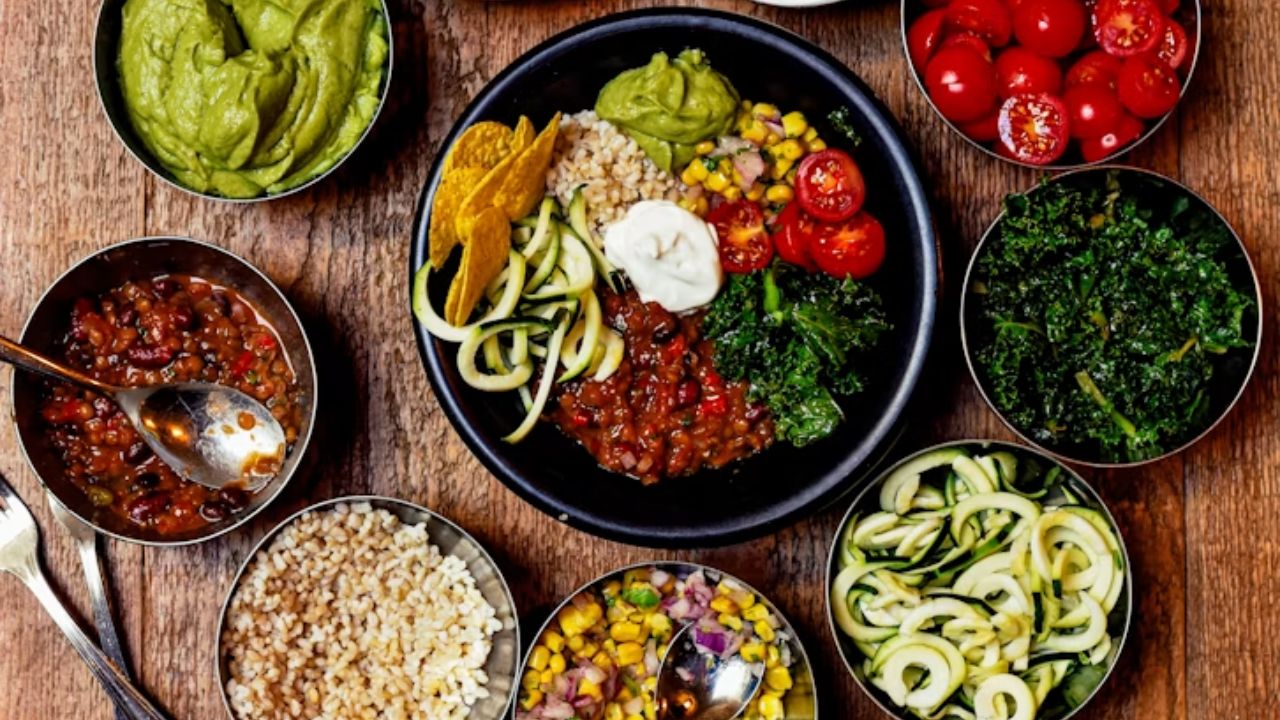
These foods can add bulk to meals without adding as many calories as more energy-dense foods. Their water and fibre content may also help create a feeling of fullness. This could explain why participants were able to eat a similar amount of food by weight while taking in fewer calories.
The study gives you a different way of thinking about weight loss. Instead of focusing entirely on eating less, it suggests that eating more low-energy-density, plant-based foods may help people naturally reduce calorie intake without feeling as restricted.
While a low-fat vegan diet is not a guaranteed solution for everyone, increasing vegetables, fruits, legumes and other fibre-rich plant foods can be a practical way to make meals more filling while keeping calorie density lower.
Disclaimer: This content including advice provides generic information only. It is in no way a substitute for a qualified medical opinion. Always consult a specialist or your own doctor for more information. NDTV does not claim responsibility for this information.