

)
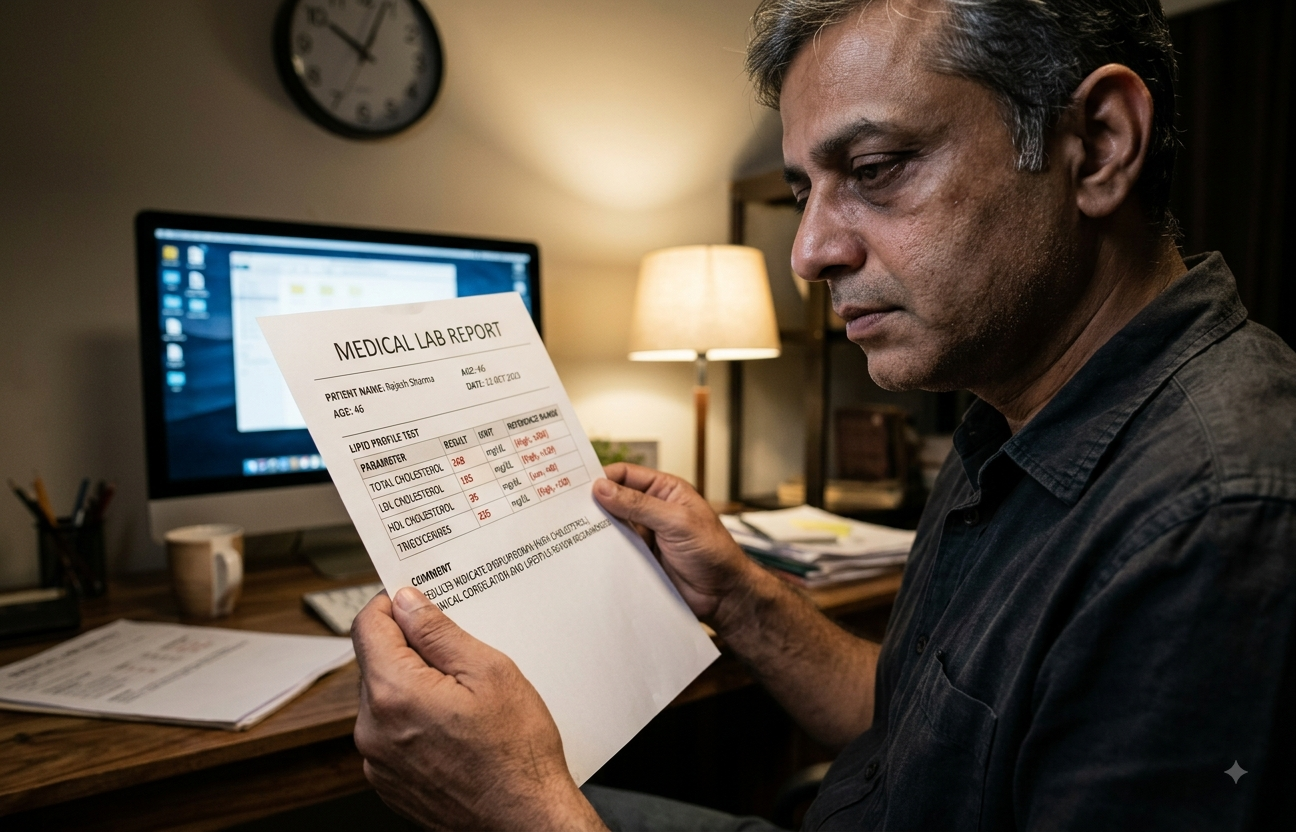
Many people assume that eating healthy could guarantee baseline normal cholesterol levels. But some people can continue to notice elevated bad cholesterol and triglyceride levels that may cause alarm. Research published in the BMJ Journal has highlighted that a lack of sleep can affect your cholesterol levels despite consuming a healthy diet. The reason behind this negative effect is a disrupted internal body clock that needs rest to recover. Any disturbances in sound sleep can affect lipid metabolism and blood lipid profile. Thus, paying attention to sound sleep is as important as eating a healthy diet. In India, about 13% of older adults suffer from sleep quality issues, which can increase the load of high cholesterol levels and consequently lead to more heart disease.
Can Poor Sleep Really Increase Cholesterol Levels?
Research in the BMJ Journal has found that poor sleep can lead to unhealthy cholesterol levels. The impact is linked to lipid metabolism, which could lower your good cholesterol, raise triglycerides, and potentially raise LDL ("bad") cholesterol.
These effects are felt by the body when it receives less than 6-7 hours of sleep. When this sleep deprivation becomes chronic, then your cholesterol levels become haywire.
Why Cholesterol Can Be High Even When Your Diet Is Healthy
Yes, several factors are responsible for your cholesterol levels that can only be measured by your blood reports. The exact ratio or values are responsible for offering any insight into what is going on internally. When it comes to preserving your heart health, you need to proactively check your cholesterol levels, as these factors can impact it:
- Genetics and family history can make your lipid levels higher than the norm.
- Stress hormones can raise your cholesterol levels and make it harder to control them.
- Physical inactivity can further increase these cholesterol levels that need medical management.
- Sleep deprivation can worsen heart lipid levels and raise your bad cholesterol levels.
- Hormonal imbalances and metabolic disorders can further push your cholesterol levels to become even higher.
The Science Behind Sleep, Circadian Rhythm And Cholesterol
Research published in the BMJ Journal indicates that cholesterol metabolism is impacted due to disruption in the body's internal clock. When sleep is short or interrupted by an increase in the frequency of late nights, then chances of cholesterol regulation can become imbalanced.
Sleep quality and heart health are closely related to regulating cholesterol and need to be addressed as a leading cause of heart health issues.
How Late Nights Affect Your Blood Reports
When you opt for a blood report to measure your cholesterol levels, consecutive late nights can show up in the form of high cholesterol levels. Furthermore, other factors that cause elevated cholesterol levels can be:
- Increased cortisol levels that may show up on a heart stress test.
- Insulin resistance can become evident on your fasting blood glucose report.
- Higher triglycerides in the heart health report section are possible.
- Inflammation and metabolic disruption can also show up in the measurements reported in a blood report.
- A potential rise in LDL cholesterol is possible, which can lead you to question your sleep patterns.
Signs Your Lifestyle And Sleep Habits May Be Affecting Cholesterol
Specific lifestyle and sleep habits can affect your cholesterol levels, which need a revision if you want to preserve your heart health. These signs can be:
- Frequent late-night screen use that can directly impact your quality of sleep.
- Shift work might push your sleep schedule, which can show up on your cholesterol reports.
- Irregular sleep patterns can worsen bad cholesterol levels and reduce good cholesterol levels.
- Daytime fatigue can worsen your cholesterol levels if it is due to nutrient deficiencies.
- Dependence on caffeine can worsen your cholesterol levels.
- Weight gain around the abdomen is common in people who struggle with their sleep schedule.
How Much Sleep Does Research Recommend For Heart Health?
If you want to keep your heart health intact and preserve its functioning, then you need at least 7 to 9 hours of uninterrupted sleep every night. According to the Sleep Foundation, high blood pressure, heart disease, obesity, diabetes, and depression become common in people who consistently struggle with their sleep cycle.
The quality of your sleep matters more than the duration, as sound, uninterrupted sleep is important for your heart health.
7 Science-Backed Ways To Improve Sleep And Support Healthy Cholesterol Levels
The Sleep Foundation has found ways that you could improve your sleep, support your cholesterol levels, and improve your heart health. Here are the ways that you can follow:
- Maintain a consistent sleep schedule.
- Avoid heavy meals late at night.
- Reduce evening screen exposure.
- Exercise regularly.
- Manage stress levels.
- Limit alcohol and nicotine.
- Create a sleep-friendly bedroom environment.
When Should You Speak To A Doctor?
You should speak to a doctor when your blood reports repeatedly show imbalanced cholesterol levels. Other instances that may warrant a doctor visit can be:
- Family history of heart disease
- High LDL cholesterol despite lifestyle modifications
- Need for professional assessment annually or bi-annually
A healthy diet is needed for managing your cholesterol levels. But your sleep is equally important, as it can show up in your blood reports.
Also Read: Why Women Actually Need An Hour More Sleep Than Men (And What Happens If You Skip It)
Disclaimer: This content including advice provides generic information only. It is in no way a substitute for a qualified medical opinion. Always consult a specialist or your own doctor for more information. NDTV does not claim responsibility for this information.