

)
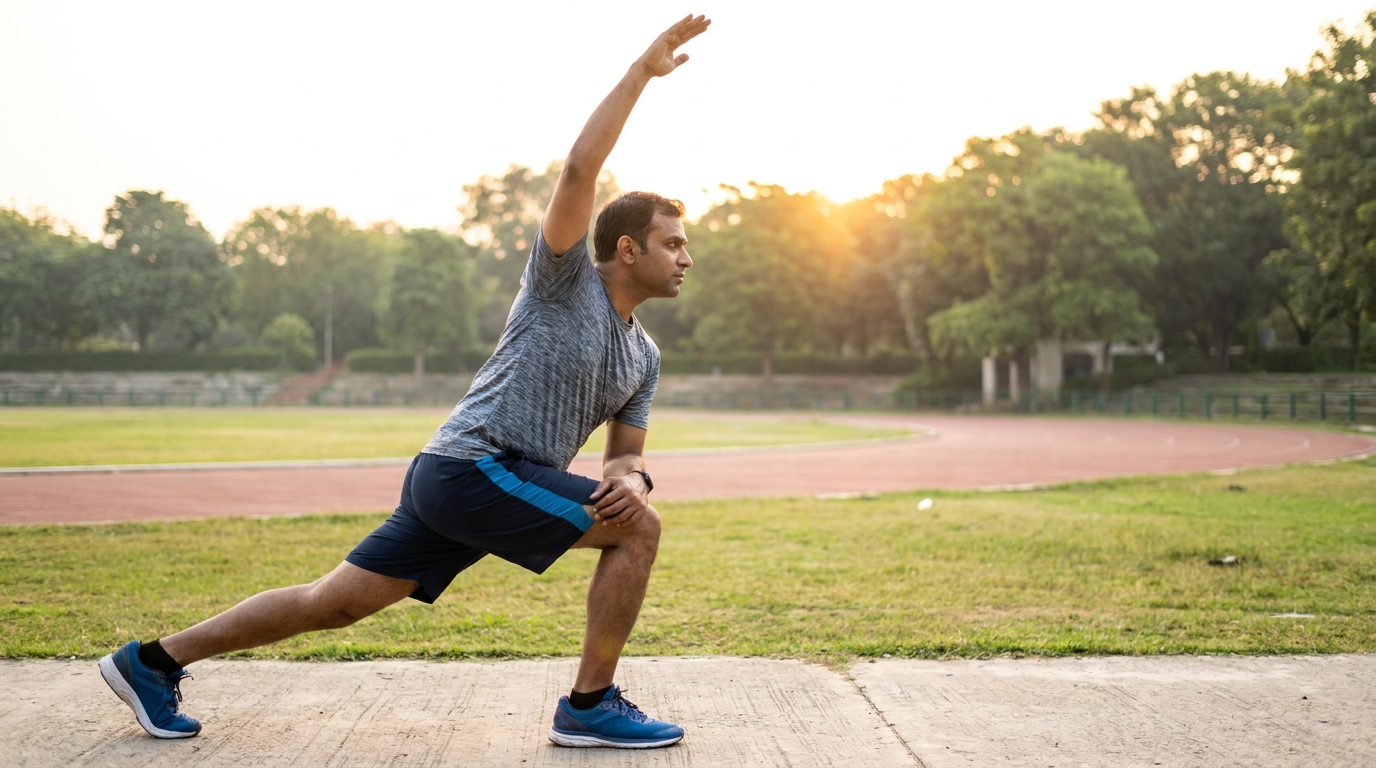
Stretching before exercise has long been considered an important part of a workout. Many people begin their routine by performing stretches for their hamstrings, thighs or shoulders, believing this will loosen the body, prevent injuries and prepare the muscles for movement. However, research over the years has changed how experts look at pre-workout stretching
Static stretching, where you hold a muscle in one position for several seconds, may not always be the best way to prepare for exercise, particularly when you are about to perform activities that require strength, speed or power. This does not mean stretching is bad or that it should be removed from your routine. Instead, the type and timing of stretching matter. A good warm-up can prepare the body for exercise.
Is Stretching Before Exercise Necessary?
Stretching before exercise is not necessarily required for everyone. Whether you need it depends on the activity you are doing, your flexibility and how your body feels. For many workouts, a dynamic warm-up is more useful than long, static stretches. Dynamic movements take your joints and muscles through a comfortable range of motion while gradually increasing your heart rate.
For example, before a run, you could walk briskly, perform gentle leg swings or do controlled high-knee movements. Before strength training, you might use lighter versions of the exercises you plan to perform.
What Is Static Stretching?
Static stretching involves moving a muscle into a stretch and holding that position, usually for around 15 to 60 seconds. Common examples include touching your toes to stretch the back of your legs or pulling one arm across your chest to stretch the shoulder.
Static stretching can improve flexibility and may be useful as part of a broader exercise routine. However, doing long static stretches immediately before activities that require maximum strength, speed or explosive power may temporarily reduce performance.
Why Is Dynamic Stretching Often Preferred Before Exercise?
Dynamic stretching helps prepare the body for the movements it is about to perform. It can:
- Increase blood flow to working muscles
- Gradually raise body temperature
- Move joints through their range of motion
- Prepare muscles and the nervous system for activity
- Help you practise movements similar to those used during your workout
For example, someone preparing for a lower-body workout could perform bodyweight squats, walking lunges and leg swings before adding weights.
Can Stretching Prevent Injuries?
Stretching alone is not a guarantee against exercise injuries. Injuries can happen for many reasons, including poor technique, sudden increases in training intensity, inadequate recovery, fatigue and doing more activity than the body is prepared for. A proper warm-up can help prepare your body for exercise, but it should be combined with sensible training practices.
For example, if you are returning to exercise after a long break, gradually increasing the duration and intensity of your workouts may be more important than spending a long time stretching before each session.
When Should You Do Static Stretching?
Static stretching may be better after exercise or a separate flexibility session. After a workout, your muscles are already warm, making it a convenient time to work on flexibility. You can gently stretch the major muscle groups without forcing the body into uncomfortable positions.
Static stretching can also be performed at another time of day. You do not have to stretch immediately before or after a workout to benefit from flexibility exercises. The most important thing is consistency and avoiding painful stretching.
What Should A Good Pre-Workout Warm-Up Look Like?
A warm-up does not need to be complicated. It should gradually prepare your body for the activity ahead. Start with around five to 10 minutes of light activity, such as brisk walking, easy cycling or slow jogging. Follow this with dynamic movements that resemble the exercises you are going to perform.
If you are lifting weights, begin with lighter weights before moving to your working load. If you are running, gradually increase your pace rather than starting at full speed. The closer your warm-up movements are to your planned activity, the more specific your preparation can be.
Should Beginners Stretch Before Exercising?
Beginners can benefit from including mobility and flexibility work in their routine, but they do not necessarily need a long stretching session before every workout.
A simple warm-up that gets the body moving is usually a good starting point. If certain muscles or joints feel particularly stiff, gentle dynamic movements can help loosen them. Over time, flexibility exercises can be added separately if improving flexibility is one of your goals.
Stretching before exercise is not automatically necessary, and the old idea that everyone should perform long static stretches before working out has become more nuanced. For most people, a gradual warm-up followed by dynamic movements is a practical way to prepare the body for exercise.
Disclaimer: This content including advice provides generic information only. It is in no way a substitute for a qualified medical opinion. Always consult a specialist or your own doctor for more information. NDTV does not claim responsibility for this information.