

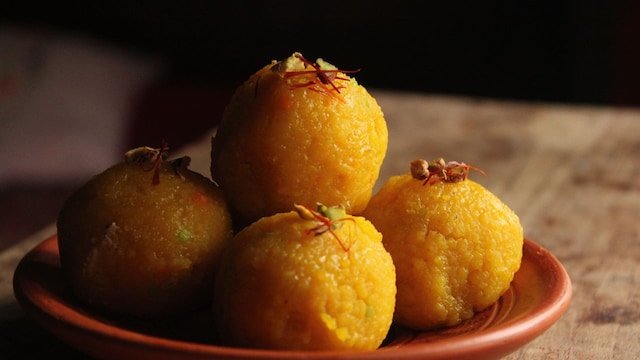
Festivals in India are almost synonymous with sweets. From laddoos and barfis to jalebis, gulab jamuns and rasgullas, celebrations often mean several servings of mithai across days, and sometimes weeks. Add sweetened beverages, fried festive foods and large meals to the mix, and the overall calorie and sugar load can rise quickly. But while an occasional sweet is unlikely to damage an otherwise healthy liver, repeatedly consuming large amounts of added sugar can become a concern, particularly when it contributes to weight gain, insulin resistance and excess fat accumulation in the liver.
The liver plays a central role in processing nutrients absorbed from food. Fructose, a simple sugar found in table sugar, sweetened foods and beverages, is largely handled by the liver. When energy intake consistently exceeds the body's needs, the liver can convert some of the excess carbohydrate into fat. Over time, this can contribute to metabolic dysfunction-associated steatotic liver disease (MASLD), the condition previously known as non-alcoholic fatty liver disease or NAFLD.
So, can festive sweets affect your liver? Yes, but the bigger concern is not one indulgent meal. It is a repeated pattern of excessive sugar and calorie intake.
What happens to sugar when you eat too many sweets?
When you eat sweets, carbohydrates are broken down into sugars that enter the bloodstream. Glucose can be used immediately for energy or stored for later use. Fructose, meanwhile, is predominantly metabolised by the liver.
With a consistently high intake of fructose and excess calories, the liver can increase the production of fatty acids through a process known as de novo lipogenesis. Some of this newly produced fat can accumulate in liver cells.
Dr Vineet Kumar Gupta, Senior Consultant and Unit Head, ShardaCare - Healthcity, explains, "When you consume a festive overload of sweets, your liver processes the massive surge of refined sugars, specifically fructose. The liver converts excess fructose into fat through a process called de novo lipogenesis."
However, it is important to put this in context. The liver does not become fatty simply because someone eats a few sweets during a festival. MASLD is a metabolic condition influenced by multiple factors, including excess body weight, insulin resistance, type 2 diabetes, abnormal blood lipids, physical inactivity and dietary patterns.
Can festive sugar cause fatty liver?
A short period of indulgence is different from a long-term dietary pattern. Research has found an association between high consumption of sugar-sweetened beverages and fatty liver. A systematic review and dose-response meta-analysis involving more than 35,000 participants found that sugar-sweetened beverage consumption was associated with higher odds of NAFLD, with the risk increasing as consumption increased. Another meta-analysis involving more than 65,000 people found that consumption of foods containing added fructose, including sweets, biscuits, cakes, chocolate and sugar-sweetened beverages, was associated with a higher prevalence of NAFLD.
This does not mean that eating a piece of mithai causes fatty liver. Rather, frequent consumption of high-sugar foods can contribute to the overall metabolic environment in which fatty liver develops, especially when it also leads to excess calorie intake and weight gain.
Air Cmde (Dr.) Bhaskar Nandi, Director & Head - Gastroenterology, Hepatology & Endoscopy, Sarvodaya Hospital, Sector-8, Faridabad, says, "When the body receives more sugar than it needs, the excess can be converted into fat and stored in the liver." He adds that repeated excessive sugar intake, particularly when accompanied by weight gain, can contribute to MASLD.
Does sugar cause liver inflammation?
Fat accumulation in the liver does not automatically mean that the liver is inflamed or damaged. MASLD exists across a spectrum, and some people have liver fat without significant inflammation or injury.
In some individuals, however, metabolic dysfunction can progress to metabolic dysfunction-associated steatohepatitis (MASH), in which liver fat is accompanied by inflammation and liver-cell injury. Over time, significant liver disease can lead to fibrosis, cirrhosis and, in some cases, liver cancer. This is why managing the factors that contribute to liver fat, including excess calorie intake, obesity, diabetes and physical inactivity, matters.
Dr Gupta says repeated sugar spikes can contribute to "fat accumulation in liver cells" and may be associated with metabolic problems such as insulin resistance. At the same time, there is no need to interpret this as a reason to completely avoid sweets during festivals. The goal is moderation and an overall healthy dietary pattern.
How much sugar is too much?
The World Health Organization recommends limiting free sugars to less than 10% of total daily energy intake for both adults and children. It says reducing this further to below 5% can provide additional health benefits. For someone consuming about 2,000 calories a day, 10% is roughly 50 grams of free sugar. Free sugars include sugars added to foods and drinks, as well as sugars naturally present in honey, syrups and fruit juices. They do not include the naturally occurring sugars in whole fruits and vegetables or milk.
The challenge during festivals is that sugar can come from multiple sources, sweets, sweetened tea or coffee, soft drinks, desserts and packaged foods, making it easy to consume more than intended.
Who should be particularly careful?
People who already have fatty liver, obesity, type 2 diabetes, insulin resistance or high triglyceride levels should be particularly mindful of excessive sugar intake.
For someone with MASLD, reducing excess calories and improving diet quality can form an important part of management. NIDDK recommends limiting foods and drinks containing large amounts of simple sugars, particularly fructose, while adopting a healthier overall eating pattern and maintaining a healthy weight.
Importantly, fatty liver can be a "silent" condition. Many people have few or no symptoms, meaning feeling well after a festive season does not necessarily tell you anything about the state of your liver.
How to enjoy festive sweets without overloading your liver
You do not have to give up mithai to protect your liver. A few practical changes can help:
- Choose smaller portions: Have one or two pieces rather than repeatedly reaching for sweets throughout the day.
- Avoid liquid sugar: Sugary drinks can add substantial amounts of free sugar without making you feel as full as solid food.
- Balance your plate: Pair festive foods with protein, vegetables, whole grains and other fibre-rich foods rather than making sweets the centre of every meal.
- Stay physically active: A walk after meals and maintaining regular physical activity can help support metabolic health.
- Don't turn a festival into a month-long binge: Occasional indulgence is very different from consuming large quantities of sweets every day for weeks.
Dr Nandi recommends "smaller portions", limiting sugary drinks, balancing sweets with protein- and fibre-rich foods and staying physically active during the festive season.
Festivals are meant to be enjoyed, and eating a sweet does not mean you are harming your liver. The concern arises when festive indulgence becomes a prolonged pattern of high sugar and excess calorie consumption.
Repeatedly eating large amounts of added sugar can contribute to weight gain and metabolic dysfunction and is associated with a greater risk of fatty liver. The liver is particularly important in processing fructose, and sustained excess intake can contribute to fat production and accumulation.
The takeaway is therefore not "never eat sweets", but "enjoy them in moderation." Smaller portions, fewer sugary drinks, balanced meals and regular physical activity can help keep festive indulgence from becoming a long-term metabolic problem.
Disclaimer: This content including advice provides generic information only. It is in no way a substitute for a qualified medical opinion. Always consult a specialist or your own doctor for more information. NDTV does not claim responsibility for this information.