

)
India has achieved a major milestone with the development of Zaynich, a breakthrough antibiotic created by Mumbai-based pharmaceutical company Wockhardt. The drug recently received approval from the United States Food and Drug Administration (US FDA). This approval holds significance because the US FDA is considered one of the world's strictest drug regulators. Getting the approval means that a medicine has passed rigorous tests for safety, effectiveness and quality. Zaynich is the first fully homegrown Indian antibiotic to receive this recognition, marking a historic achievement for the country.
With this approval, Zaynich, can now be marketed in the United States for treating complicated urinary tract infections (cUTIs), including kidney infections known as pyelonephritis. Dennis Deruelle, MD, FHM, Chief Medical Officer at Wockhardt, in a press release, said, "The threat of drug-resistant infections is an escalating crisis, leaving clinicians with fewer tools to treat patients facing these aggressive pathogens. The FDA approval of Zaynich is a monumental step forward in validating a new option for these underserved populations. This milestone underscores our commitment to addressing critical unmet needs and offers a profound sense of hope to the families we are working to serve."
Antimicrobial Resistance (AMR) occurs when bacteria evolve and stop responding to existing antibiotics, making infections harder to treat. Health experts have repeatedly warned that antibiotic innovation has slowed globally, with very few new drugs entering the market over the past few decades. Against this,
Dr. Habil F. Khorakiwala, Founder and Chairman of Wockhardt Group, said, "This approval is a significant realization of our mission to provide patients with novel antibiotics that help to address one of the most urgent global health threats - antimicrobial resistance. Furthermore, Zaynich is the first New Chemical Entity fully developed and commercialised by an Indian pharmaceutical company to receive an FDA approval, representing a historic milestone not only for Wockhardt, but for the Indian pharmaceutical industry."
What Is Zaynich?
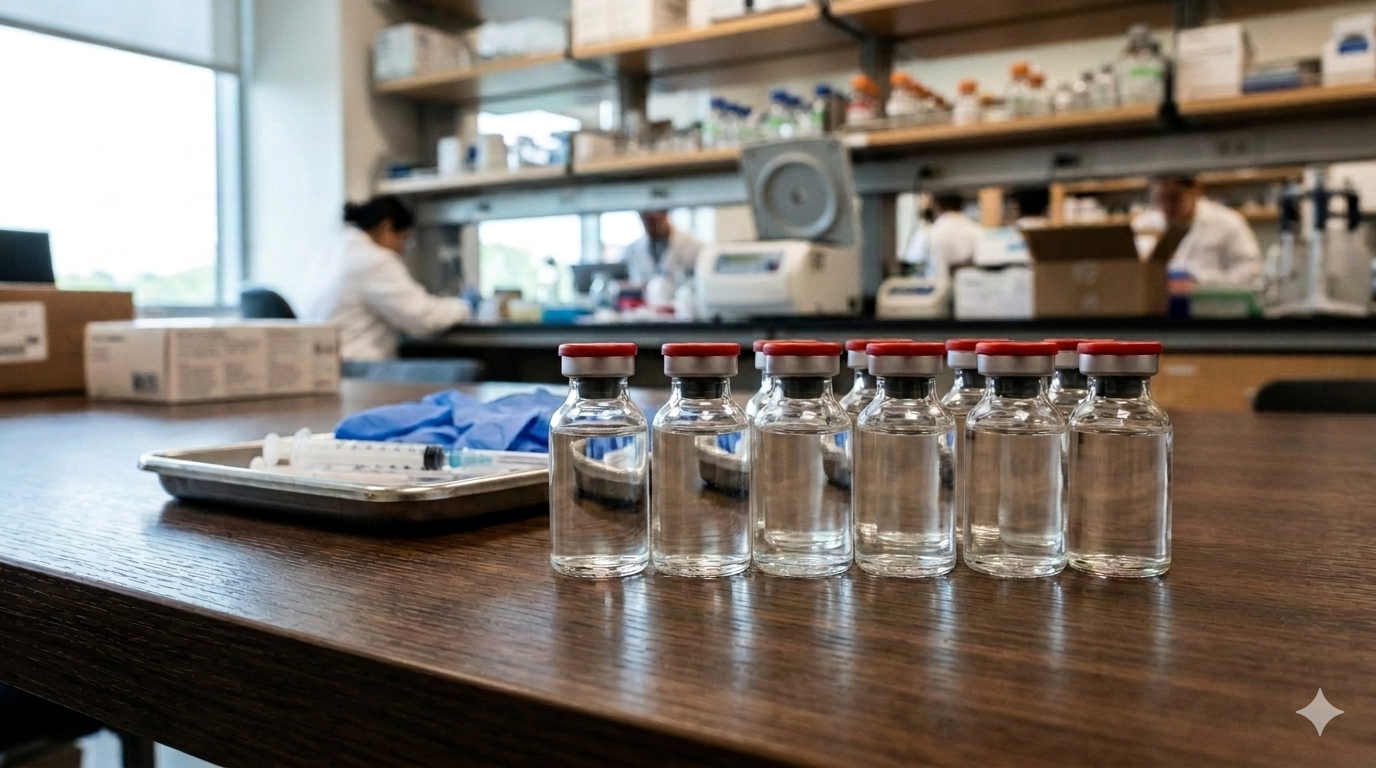
Zaynich is a novel injectable antibiotic developed to treat serious bacterial infections, especially complicated urinary tract infections. It is a combination of two components; cefepime, a fourth-generation cephalosporin antibiotic, and zidebactam, a new molecule developed by Wockhardt. Together, they work to attack harmful bacteria that have become resistant to many existing medicines. Unlike older antibiotics, Zaynich has been specifically designed to combat multidrug-resistant bacteria.
Why Is Zaynich Important?
The biggest reason behind Zaynich's importance is the growing threat of antibiotic resistance. Many commonly used antibiotics are losing their effectiveness because bacteria are constantly evolving. In some cases, doctors are left with very limited treatment options.
Zaynich has shown strong activity against difficult-to-treat Gram-negative bacteria such as Escherichia coli, Klebsiella pneumoniae and Pseudomonas aeruginosa. These bacteria are known to cause severe infections and are often resistant to multiple drugs. Clinical studies demonstrated that Zaynich achieved high cure rates, offering hope for patients suffering from serious infections. Clinical trials showed that the drug performed better than meropenem, a commonly used antibiotic, in treating difficult infections.
Made-in-India Innovation
One of the aspects of Zaynich is that it is entirely an Indian innovation. Wockhardt discovered, developed and clinically tested the drug over several years. This makes Zaynich the first fully indigenously developed Indian antibiotic to receive US FDA approval.
India is often called the "pharmacy of the world" because it supplies affordable generic medicines globally. However, developing a completely new drug requires enormous investment, scientific expertise and years of research. By successfully creating Zaynich, Indian scientists have demonstrated that the country can also become a leader in pharmaceutical innovation.
How Does Zaynich Work?
Zaynich works differently from several conventional antibiotics. Cefepime attacks bacteria by disrupting the formation of their protective cell walls. Meanwhile, zidebactam enhances cefepime's effectiveness and helps overcome bacterial resistance mechanisms. This dual-action approach makes the drug particularly effective against bacteria that no longer respond to standard antibiotics.
What Does This Mean For India?
The success of Zaynich is expected to encourage more investment in drug discovery and research within India. It proves that Indian pharmaceutical companies can compete globally in developing innovative medicines rather than relying solely on generic drug manufacturing. Also, Zaynich strengthens India's position in the global fight against antimicrobial resistance.
Disclaimer: This content including advice provides generic information only. It is in no way a substitute for a qualified medical opinion. Always consult a specialist or your own doctor for more information. NDTV does not claim responsibility for this information.