

)
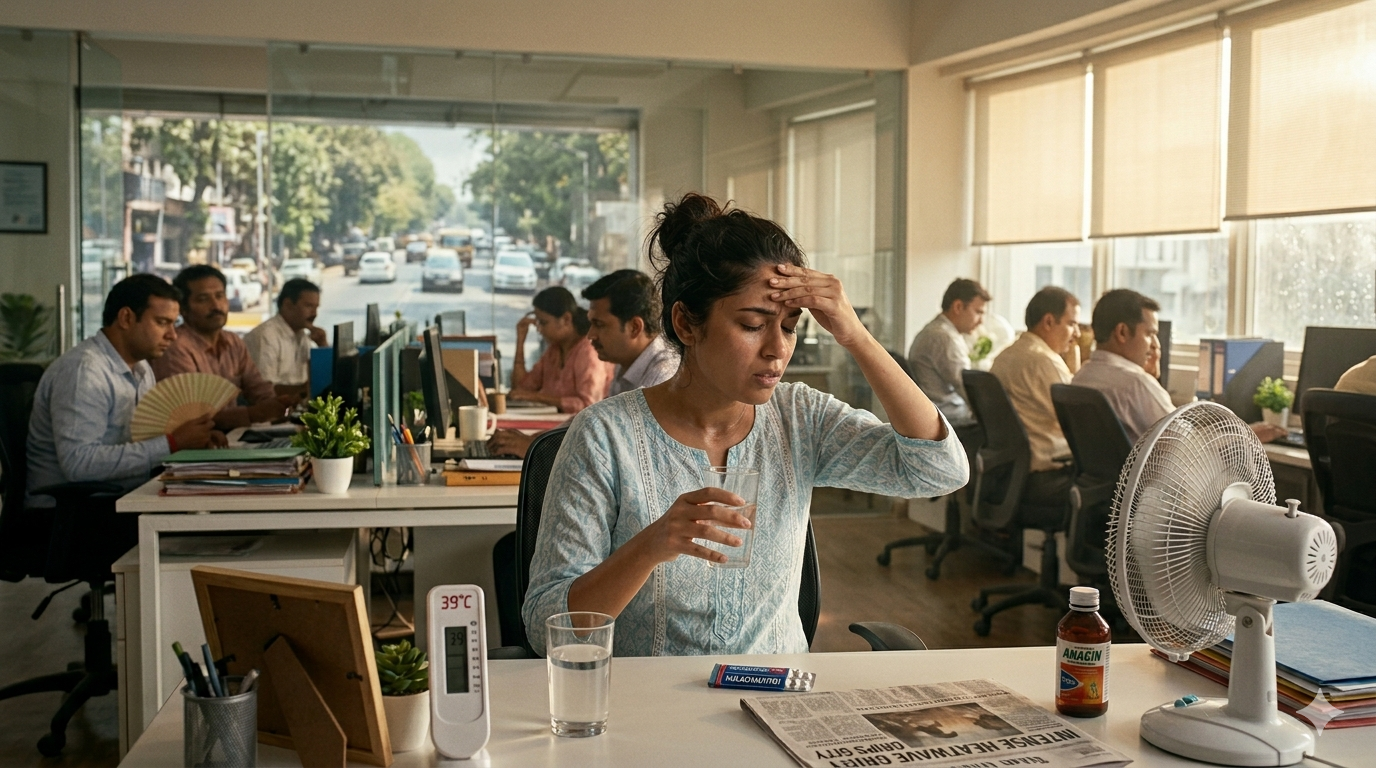
As heatwaves intensify across India, doctors are warning people against casually self-medicating for symptoms triggered by extreme temperatures. Headaches, dizziness, body aches, fatigue, nausea, and muscle cramps are common during hot weather, but experts say treating these symptoms with over-the-counter medicines without understanding the underlying cause can sometimes do more harm than good. Heat exposure already places additional strain on the body by increasing dehydration, altering blood pressure regulation, and affecting kidney function. Certain medications, especially when taken without medical supervision, may worsen these effects and increase the risk of complications such as kidney injury, electrolyte imbalance, heat exhaustion, or heat stroke.
Doctors are particularly concerned about the misuse of painkillers, antibiotics, electrolyte supplements, and common cold medications during summer months. Many people mistake heat-related symptoms for infections or general fatigue and attempt to "treat" themselves at home instead of recognising early warning signs of serious heat illness.
According to health experts, prevention, hydration, and timely medical care remain far safer than relying on random medications during extreme heat conditions. Here are the self-medication mistakes doctors say people should stop making during heatwaves.
Why Self-Medication Can Become Risky During Heatwaves
Extreme heat affects multiple systems in the body simultaneously. Sweating causes fluid and electrolyte loss, blood vessels dilate to release heat, and the kidneys work harder to maintain fluid balance. The World Health Organization (WHO) warns that heatwaves can increase the risk of dehydration, cardiovascular strain, kidney injury, and heat-related illness, especially among vulnerable individuals.
Dr. Basavaraj S Kumbar, Consultant in Internal Medicine at Aster Whitefield Hospital, Bengaluru, explains that many people underestimate how strongly heat interacts with medications. "With high temperatures, there is already extra load on hydration, blood pressure control, and kidney work. When medicines are used incorrectly, these problems can worsen very quickly," he says.
Also Read: Doctor Explains Why Paracetamol Doesn't Work In Heat Stroke
Overusing Painkillers For Heat-Related Headaches
One of the most common mistakes during summer is taking painkillers repeatedly for headaches, body pain, or exhaustion caused by heat exposure. Dr. Kumbar says, "Medicines like non-steroidal anti-inflammatory drugs, or NSAIDs, can add more load to the kidneys, especially if the body is already low on fluids."
NSAIDs include commonly used medicines such as ibuprofen, diclofenac, and naproxen. According to the US National Kidney Foundation, dehydration combined with NSAID use may reduce blood flow to the kidneys and increase the risk of acute kidney injury.
The risk may be higher in older adults, people with diabetes, hypertension, or chronic kidney disease, and those spending prolonged periods outdoors during heatwaves. Doctors advise that persistent headaches during extreme heat should not automatically be treated as "normal summer headaches," especially if accompanied by dizziness, nausea, weakness, or confusion.
Taking Antibiotics Without Proper Diagnosis
Another major concern is the unnecessary use of antibiotics during heatwaves. Many symptoms of heat exhaustion, including feverish feeling, fatigue, nausea, weakness, and body aches, may resemble viral infections or flu-like illness. However, antibiotics do not work against viral illnesses or heat-related conditions.
Dr. Kumbar warns, "A lot of people grab antibiotics when they assume heat exhaustion signs are the same as an infection, even if they are not. Antibiotics won't really help then, and it may delay proper treatment." The WHO has repeatedly warned that misuse and overuse of antibiotics contribute to antimicrobial resistance, making infections harder to treat globally. Self-prescribing antibiotics may also mask symptoms temporarily while the underlying heat illness worsens.
Overusing Electrolyte Drinks And Salt Supplements
Hydration is essential during heatwaves, but doctors caution against excessive use of electrolyte powders, salt tablets, or sports drinks without medical need. Dr. Kumbar says self-prescribing electrolyte supplements in large amounts may disturb sodium balance in the body. "Overdoing electrolyte drinks without proper indication can be risky, especially in older adults or individuals with hypertension and kidney disease," he explains.
Both dehydration and overhydration can lead to dangerous electrolyte imbalances. Excess sodium intake may worsen blood pressure problems, while excessive fluid consumption without balanced electrolytes can sometimes lead to low sodium levels, known as hyponatremia. Experts recommend plain water for routine hydration in most situations unless heavy sweating, prolonged outdoor activity, or medical advice indicates otherwise.
Taking Anti-Allergy And Cold Medicines Carelessly
Many people also use over-the-counter cold medicines or antihistamines casually during summer for sneezing, throat discomfort, or allergies triggered by dust and pollution. However, some antihistamines and decongestants can worsen heat-related problems.
Dr. Kumbar explains, "Certain antihistamines and decongestants can reduce sweating or worsen dehydration, increasing the risk of heat exhaustion and heat stroke." The CDC notes that some medications may interfere with temperature regulation, sweating, and hydration, making individuals more vulnerable during extreme heat.
People taking medications for blood pressure, psychiatric conditions, allergies, or chronic illnesses should be particularly cautious during heatwaves and consult doctors if symptoms worsen.
Symptoms You Should Never Ignore
Doctors stress that not every summer symptom should be managed at home. Dr. Kumbar says dizziness, nausea, muscle cramps, confusion, persistent fatigue, or weakness may indicate serious heat-related illness rather than simple dehydration.
Warning signs requiring medical attention include:
- Confusion or altered behaviour
- Persistent vomiting
- Severe weakness
- Difficulty breathing
- Fainting
- Rapid heartbeat
- High body temperature
- Reduced urination
- Severe muscle cramps
The WHO warns that untreated heat exhaustion may progress to life-threatening heat stroke if intervention is delayed.
Also Read: Why Warmer Nights During Indian Heatwaves May Be More Dangerous Than Hot Days
Safer Ways To Prevent Heat-Related Illness
Doctors say prevention remains the most effective protection during extreme heat.
Dr. Kumbar recommends:
- Staying properly hydrated throughout the day
- Avoiding direct afternoon sunlight
- Wearing loose, breathable cotton clothing
- Taking regular breaks during outdoor activity
- Avoiding excessive alcohol and caffeine
- Seeking medical advice if symptoms persist
The India Meteorological Department (IMD) also advises reducing outdoor exposure during peak heat hours and following local heatwave alerts. Self-medication during heatwaves may appear harmless, but doctors warn that the wrong medicines taken at the wrong time can worsen dehydration, kidney stress, electrolyte imbalance, and heat-related illness.
Painkillers, antibiotics, electrolyte supplements, and even common cold medications may interact dangerously with the body's response to extreme heat, especially in vulnerable individuals. Rather than masking symptoms with random medications, experts urge people to recognise early warning signs of heat illness, prioritise hydration and cooling, and seek timely medical care when symptoms persist or worsen.
Disclaimer: This content, including advice, provides generic information only. It is in no way a substitute for a qualified medical opinion. Always consult a specialist or your own doctor for more information. NDTV does not claim responsibility for this information.