

)
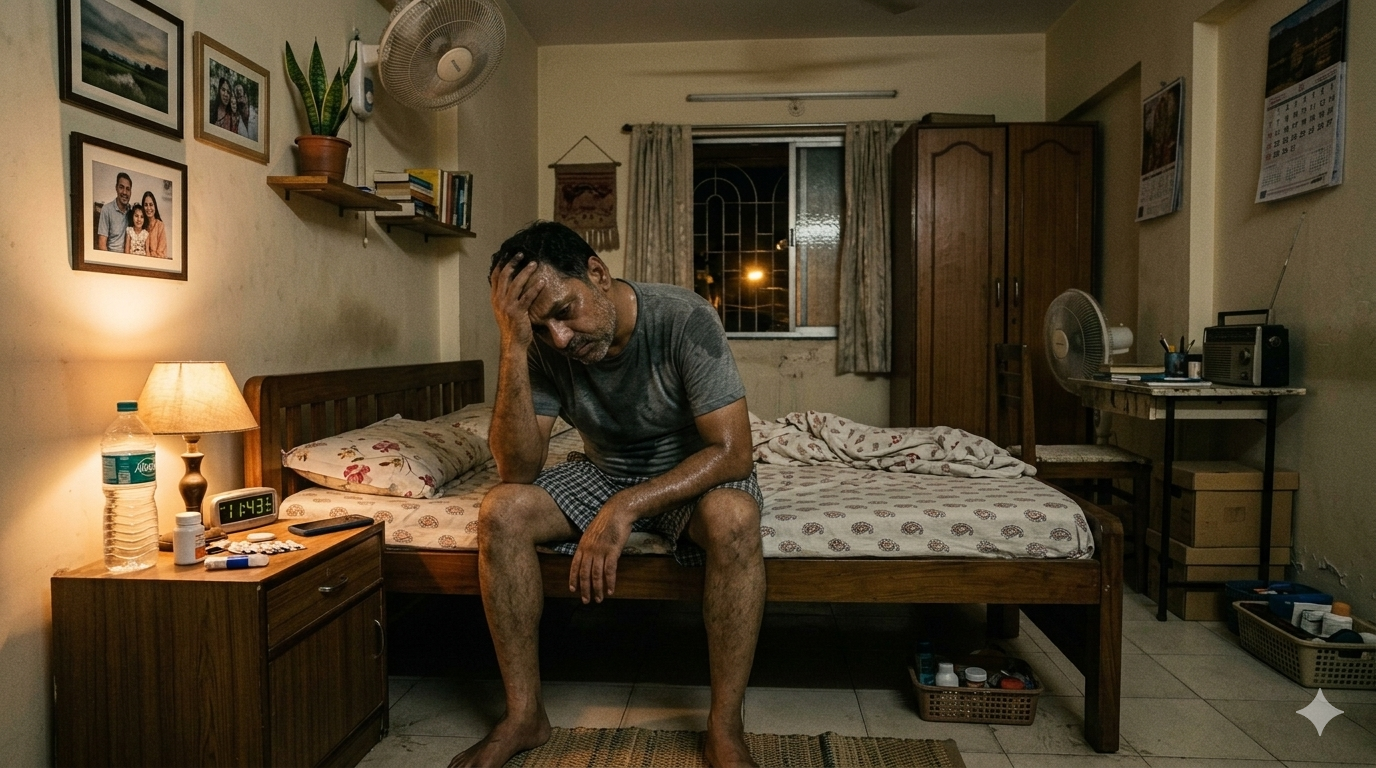
Delhi-NCR is witnessing an intense heatwave. India Meteorological Department (IMD) said that the maximum temperature may reach 44 degrees while the minimum may hover around 27 degrees. IMD also issued a yellow alert for Delhi for Sunday (April 26). Severe heat conditions with maximum temperatures are expected to remain above normal over the next few days. High temperatures during the day are known to affect your health in several ways. It can cause heat fatigue, heat exhaustion, and heat stroke, among others. Not just daytime temperatures, high temperatures at night also can seriously harm your health.
This happens because your body never really gets the chance to cool down and recover. Read on to know how high temperatures at night can impact your health.
High Nighttime Temperature And Its Health Impact
1. Heart And Circulation
When the nights are hot, your blood vessels stay dilated and your heart has to pump harder to maintain body temperature. This increases stress on the cardiovascular system, which can worsen high blood pressure, heart disease, and increase the risk of heart attacks or strokes, especially in older adults or people with existing heart issues.
2. Sleep And Mental Health
High night temperatures make it harder for you to fall and stay asleep. This makes you feel tired and irritable the next day. Chronic sleep disruption from hot nights can also worsen anxiety, depression, and reduce concentration, making it harder to cope with daily tasks.
3. Heat-Related Illness
If the body does not cool down at night, even mild heat the next day can push you toward heat exhaustion or heatstroke. This happens because the internal heat load keeps building up. The condition can be especially dangerous for outdoor workers, children, the elderly, and people with chronic illnesses.
4. Chronic Diseases
Hot nights increase the demand on the organs, which can worsen conditions like diabetes, kidney disease, and lung problems. People with diabetes may face unstable blood sugar, while those with kidney disease may struggle with fluid and electrolyte balance.
5. Dehydration And Kidney Strain
Nighttime heat can make you sweat even while sleeping, leading to fluid loss. Over several days, this pushes you toward dehydration, which can cause headaches, dizziness, and add extra strain on the kidneys, increasing the risk of kidney injury or stones in vulnerable people.
Tips To Protect Yourself
During high nighttime temperatures, your body struggles to cool down and recover. Hence, you need to protect yourself very carefully. Here are some tips.
1. Stay Well-Hydrated
Drink water regularly through the day and evening, even if you don't feel very thirsty. Avoid too much tea, coffee, alcohol, and sugary drinks, as they can worsen dehydration and make your body retain heat.
2. Cool Your Body Before Bed
Take a cool (not icy) shower or bath in the evening to lower your core temperature. You can also place a damp cloth on your forehead, neck, or wrists to feel more comfortable.
3. Keep Your Room As Cool As Possible
During the day, close curtains or shades on the sun-facing windows to block heat from entering. At night, open windows only when the outside air is cooler than indoors. Also, use a fan, air cooler or air conditioner.
4. Choose Light Clothing And Bedding
Sleep in loose, light-coloured cotton clothes and use thin or breathable sheets instead of thick blankets. This helps sweat evaporate and lets your skin breathe, reducing heat stress.
5. Eat Light, Cool Meals
Have light and easy-to-digest foods like fruits, salads, curd, and soaked sprouts in the evening instead of heavy, fried, or spicy meals. Heavy food increases your body's internal heat and can disturb sleep.
6. Avoid Late-Night Exertion
Skip intense workouts, heavy household chores, or long conversations right before you sleep. Physical strain in hot conditions increases the risk of exhaustion, dizziness, or heat-related illness.
Disclaimer: This content including advice provides generic information only. It is in no way a substitute for a qualified medical opinion. Always consult a specialist or your own doctor for more information. NDTV does not claim responsibility for this information.