

)
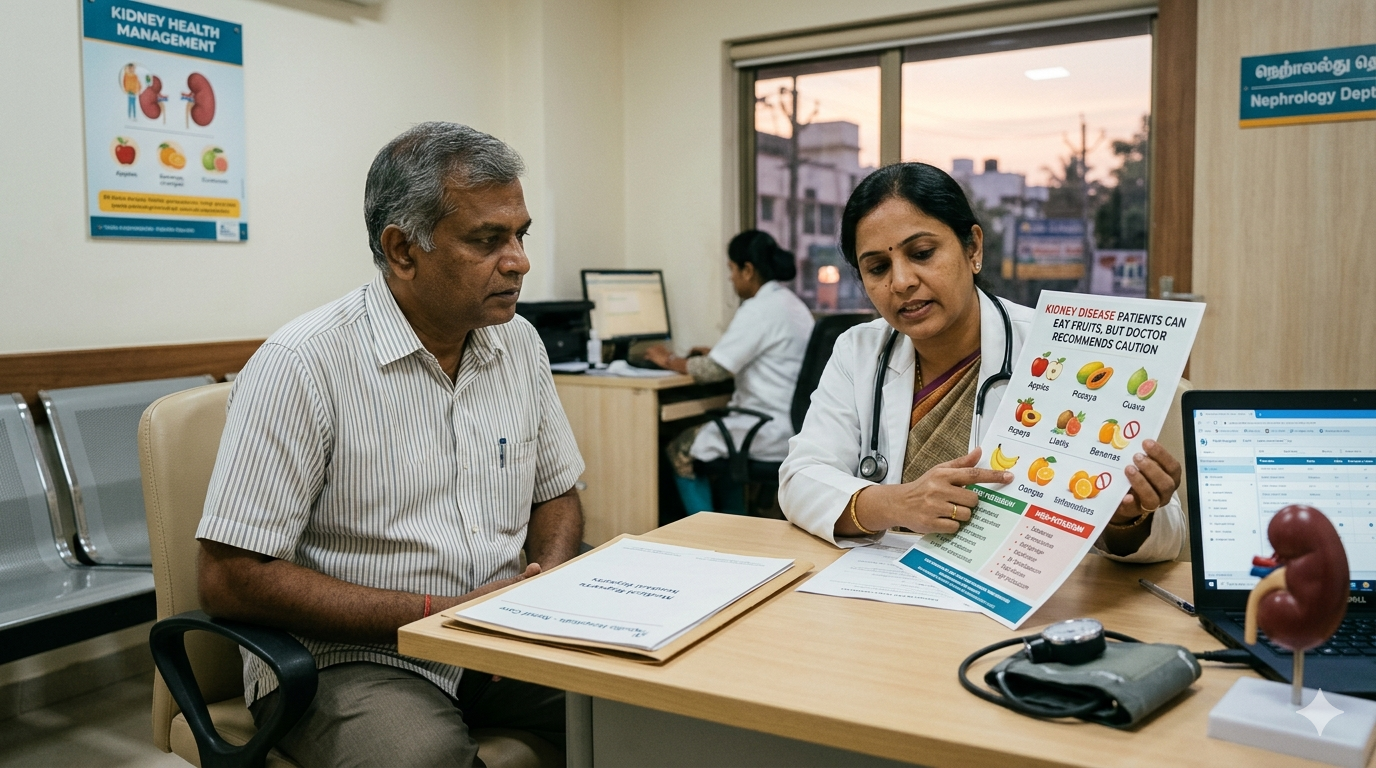
Fruits are healthy, but if you have chronic kidney disease, you cannot eat them freely without considering your kidney function and potassium levels. The right choices can support your health, while the wrong ones may increase the risk of complications like hyperkalemia. Dr. Yogesh Kumar Chhabra, Director and Unit Head - Nephrology, Fortis Hospital, Shalimar Bagh, says, "Patients with chronic kidney disease can eat fruits, but choices depend on the stage of the disease and potassium levels in the body." Here's a simple stage-wise guide to help you choose the right fruits:
1. Early-Stage CKD (eGFR Above 60): Most Fruits Are Safe
Research published in Kidney Medicine found that providing fruits and vegetables to CKD patients significantly reduced urine albumin levels (a marker of kidney damage) and slowed the progression of the disease as effectively as some medications. In the early stages, kidney function is still relatively normal. This means you can enjoy most fruits, but moderation is key.
Also read: Kidney Disease Warning Signs: 7 Surprising Risk Factors Other Than Diabetes And High Blood Pressure
"Patient who is suffering from kidney ailments do not necessarily have to avoid all kinds of fruits. However, there is a need for them to be selective when consuming fruits and limit the amount taken. Fruits are sources of various nutrients that contribute to good health. However, some fruits contain potassium, which is dangerous when kidney functions are compromised, considering that individuals might experience difficulties balancing mineral levels in the body," says Dr Bhanu Mishra, Consultant- Nephrologist, Fortis Hospital, Shalimar Bagh.
2. Stage 3-4 CKD: Limit High-Potassium Fruits
As kidney function declines, potassium control becomes important. Excess potassium can build up in the blood and cause complications. The National Kidney Foundation defines potassium-rich food as food with more than 200 mg of potassium per serving
- Limit or avoid: Banana, mango, orange
- Safer options: Apple, pineapple, guava
- Stick to small, controlled portions
Dr. Chhabra explains, "In stages 3-4, patients should limit high-potassium fruits and choose safer alternatives in moderation."
3. Advanced CKD or Dialysis: Strict Fruit Choices
At this stage, the kidneys cannot remove excess potassium efficiently, so diet needs close monitoring.
- Best choices: Apple, papaya, berries
- Portion size: About 100 grams per day
- Avoid fruit juices due to high potassium and sugar concentration
"Strict potassium control is needed in advanced CKD or dialysis," says Dr. Chhabra. "Fruits that have less potassium include apples, berries, grapes, pineapple, and papaya. Individuals with kidney diseases would benefit more by eating fruits with less potassium content, although moderation is also crucial. Other fruits that contain potassium in high levels include bananas, oranges, mangoes, and avocados," adds Dr. Mishra.
4. Portion Control Is Non-Negotiable
Even low-potassium fruits can become risky if consumed in large amounts.
- Always measure portions
- Avoid binge eating fruits
- Balance fruit intake with overall diet
5. Consider Other Health Conditions
Your fruit choices should also depend on:
- Diabetes (watch sugar content)
- Fluid balance
- Blood potassium levels
6. Avoid These Common Mistakes
The most common mistake is drinking packaged or fresh fruit juices excessively and assuming all fruits are "safe". Also, do not ignore doctor's dietary advice.
Also read: A Rs 300-800 Kidney Function Test Today Can Prevent Lakhs On Dialysis Costs Later; Here's How
7. Always Personalise Your Diet
Your doctor may adjust your fruit intake based on test results and overall health. Dr. Chhabra emphasises, "Always individualise fruit intake to prevent complications like hyperkalemia and fluid overload." Having kidney disease doesn't mean giving up fruits entirely. It simply means choosing wisely, eating in moderation, and following medical advice. With the right approach, fruits can still be a safe and nutritious part of your daily diet.
Disclaimer: This content including advice provides generic information only. It is in no way a substitute for a qualified medical opinion. Always consult a specialist or your own doctor for more information. NDTV does not claim responsibility for this information.