

)
Chronic kidney disease (CKD) is often referred to as a silent killer, not because it is rare, but because it progresses quietly. Most people do not experience symptoms until the disease has already caused significant and often irreversible damage. By then, treatment options are limited to long-term dialysis or kidney transplantation, both physically, emotionally, and financially draining. According to a study published in the journal BMC Public Health, approximately 850 million people worldwide are estimated to have some form of kidney disease. Dr. Anuja Porwal, Director of Nephrology and Liver Transplant, Fortis Hospital Noida. says, "chronic kidney disease is a silent disease because the damage can occur for years without showing any symptoms. Individuals usually realise they have a problem only when the disease has become advanced, and at that stage, treatments require long-term hemodialysis or kidney transplantation, which is costly."
Early Detection Is Simple and Affordable
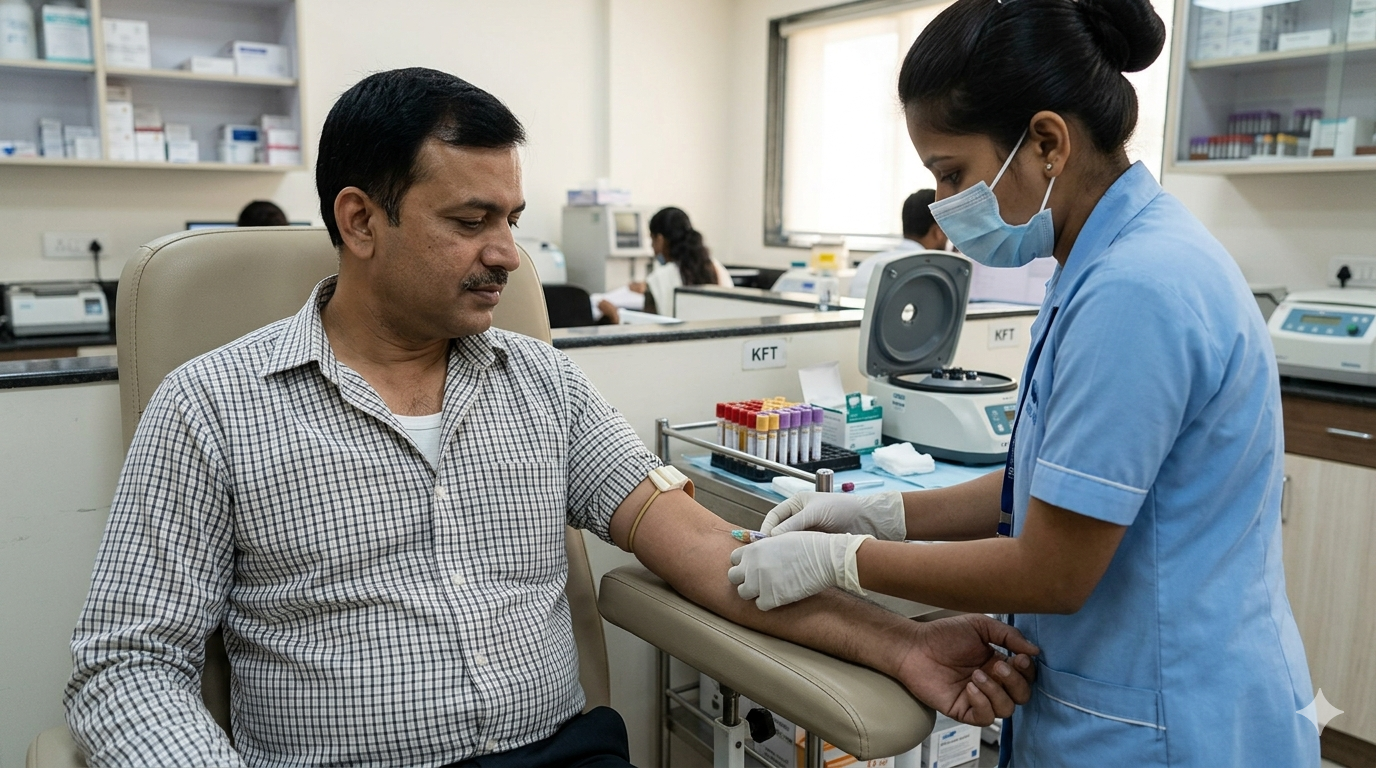
What makes this situation particularly concerning is that early detection does not require expensive or complex investigations. Basic kidney function tests, including a urine analysis and a blood test for serum creatinine, can identify early signs of kidney dysfunction. These tests typically cost between Rs 300 and Rs 800.
Also read: Kidney Disease In India: Doctor Explains Why Self-Medication Is A Major Kidney Health Risk
"Kidney problems can be discovered at an early stage by doing simple tests worth only around Rs 500. A urine test and blood test for serum creatinine can show early signs of kidney disease," adds Dr. Porwal. These screenings can detect critical warning signs such as protein leakage in urine, microscopic blood presence, elevated urea or creatinine levels, and reduced glomerular filtration rate, all of which indicate early kidney damage.
Why Kidney Disease Often Goes Unnoticed
According to a study in Journal Medicine, delaying medical care in chronic kidney disease can worsen the condition, leading to increased cardiovascular complications, anemia, bone disorders, malnutrition, and an overall decline in quality of life. The kidneys perform several vital functions, from filtering waste and balancing fluids to regulating blood pressure and supporting bone health. Despite their importance, the body adapts remarkably well to declining kidney function in the early stages.
Dr. Porwal explains, "once kidney function starts failing, these physiological changes do not manifest into apparent symptoms until kidney function significantly deteriorates to more than 70-75 %."
When symptoms finally appear, they often signal advanced disease. These include swelling of the face and body, puffiness around the eyes, breathlessness, fatigue, nausea, poor appetite, vomiting, and general lethargy.
The Cost Gap: Screening vs Treatment
The financial contrast between early detection and late-stage treatment is striking. Routine urine analysis may cost Rs 200-300, while a serum creatinine test may cost Rs 300-400. Even with periodic monitoring, the cost remains relatively low. In comparison, dialysis treatment is significantly more expensive. Each session can cost between Rs 2,000 and Rs 5,000, and patients typically require two to three sessions per week. This can push annual costs to Rs 3 lakh to Rs 5.5 lakh or more. "Individuals undergoing dialysis require it two to three times a week. Over time, patients find that costs become increasingly unbearable," Dr. Porwal notes.
Who Should Get Screened Regularly
While kidney screening is beneficial for everyone, certain groups are at a higher risk and should be particularly vigilant. These include individuals with diabetes, high blood pressure, heart disease, and obesity. People with a family history of kidney disease, recurrent kidney stones, or urinary tract infections also fall into the high-risk category. Additionally, those above the age of 60 and patients with autoimmune conditions such as lupus or vasculitis should undergo regular screening to detect early changes.
The Hidden Risks of Late Diagnosis
If left undiagnosed or untreated, CKD can lead to a range of serious complications. These include uncontrolled hypertension, anemia, bone disorders, cardiovascular disease, and eventually end-stage renal disease requiring dialysis or transplantation.
"In many cases, end-stage renal disease makes the individual vulnerable to hospital admissions and even premature death," warns Dr. Porwal. The challenge is that by the time these complications arise, treatment becomes more complex and less effective.
Also read: India's Chronic Kidney Disease Burden Soars To 138 Million, Second Highest Worldwide
Early Intervention Can Change Outcomes
The good news is that early-stage kidney disease is often manageable. With timely diagnosis, doctors can prescribe medications, recommend dietary changes, and manage underlying conditions like diabetes and hypertension to slow disease progression.
"If diagnosed early and managed properly, the life of the diseased kidney can be prolonged significantly. Early intervention and controlling comorbidities can prevent further deterioration," says Dr. Porwal.
Simple lifestyle measures, such as maintaining a balanced diet, staying hydrated, monitoring blood sugar and blood pressure, and avoiding unnecessary medications, can further protect kidney health.
An Avoidable Health and Financial Burden
Despite being detectable through low-cost tests, CKD remains one of the most overlooked health conditions. Lack of awareness and delayed screening often lead to avoidable complications and expenses.
Dr. Porwal emphasises, "a simple test that costs hundreds of rupees might save thousands required for treatment. Early detection can sometimes determine whether an individual suffers or not."
Kidney disease does not have to become a life-altering condition. A simple test costing a few hundred rupees can provide early warning signs and help prevent serious health complications and financial strain. In a healthcare landscape where advanced treatments can cost lakhs, prioritising routine kidney screening is one of the smartest and most practical decisions individuals can make. Early detection is not just about better health outcomes, it is about preserving quality of life and avoiding preventable burdens.
Disclaimer: This content including advice provides generic information only. It is in no way a substitute for a qualified medical opinion. Always consult a specialist or your own doctor for more information. NDTV does not claim responsibility for this information.