

)
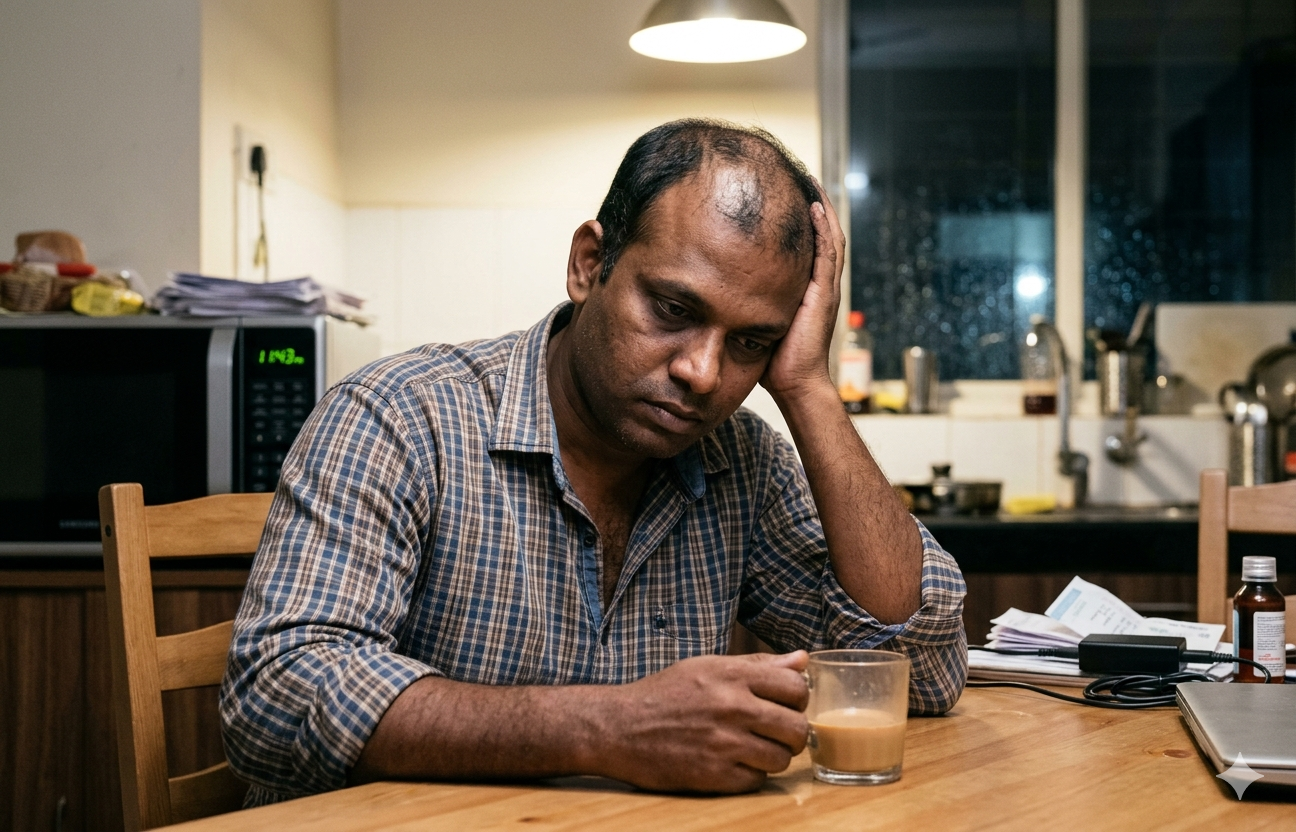
Fatigue or constant tiredness and hair loss are most commonly characterised as stress-related ailments. But the thyroid plays an important role in how the problems of fatigue and hair loss may be related to the functioning of your thyroid. A review published in the Frontiers in Endocrinology journal highlights that fatigue, lethargy, and dry skin can occur as a result of an overactive thyroid. The thyroid is responsible for the secretion of hormones that regulate metabolism, energy, hair growth, and even mood. When these hormones are unbalanced, problems with fatigue and hair loss arise.
Most people tend to suffer from undiagnosed thyroid issues, which are common, especially in women in India. This makes it imperative for annual check-ups that analyse the functioning of the thyroid to rule out any issues.
Why Thyroid Imbalance Often Gets Mistaken For Stress
An imbalance in the thyroid causes symptoms that mimic stress, such as tiredness, mood swings, and poor sleep patterns. This is why ruling out which symptoms are related to daily stress levels and which are related to an overactive or underactive thyroid is necessary. Thyroid disorders develop slowly, which makes the early signs of an overactive or underactive thyroid gland unnoticeable or easily ignored.
Stress may coexist underneath the surface, but it is not always the root cause of hair loss and fatigue.
Symptoms May Be Linked To Thyroid Problems
1. Persistent Fatigue Even After Rest
After sleeping for 8-plus hours at night, if you find yourself experiencing persistent fatigue, then your thyroid may be out of balance. The problem needs to be persistent in nature to realise if it is becoming an issue, and timely medical screening is needed to make a diagnosis. Slowed metabolism in hypothyroidism reduces energy production, which also affects your energy levels throughout the day.
2. Noticeable Hair Thinning Or Increased Hair Fall
If you notice your hair thinning or an increase in normal hair fall that occurs naturally as a part of the hair growth cycle, it could signal an issue with thyroid functioning. If your hair texture becomes dry and brittle and sheds excessively, then you need to get your thyroid checked. Research published in the Journal of Clinical Medicine details that thyroid hormones affect the hair growth cycle, which affects hair texture, thinning, or an increase in hair fall out of the ordinary.
3. Unexplained Weight Gain Or Sudden Weight Loss
Research published in the Endocrine Practice journal pinpoints that hypothyroidism can result in weight gain, while hyperthyroidism can result in unexpected weight loss. This can happen even without major diet changes, which need to be medically addressed.
4. Dry Skin And Brittle Nails
Research published in the Asian Journal of Medical Sciences highlights that dry skin and brittle nails are common signs of thyroid issues. cause the skin loses moisture due to slowed cell turnover, leading to dry skin that can be visible. On the other hand, nails become weak, ridged, or prone to breakage due to a lack of baseline thyroid hormones that facilitate their growth.
5. Mood Changes, Brain Fog Or Depression
Research published in BMC Medicine suggests that the functioning of the thyroid can affect mood changes, brain fog or depression-like symptoms. The result of a thyroid issue can be characterised by having difficulty concentrating, low mood or irritability. This occurs as the thyroid directly impacts brain function and neurotransmitters.
Dr Anoop Misra, Chairman, Fortis C-DOC Hospital, New Delhi (Endocrinologist), explains, "Fatigue and hair loss are often the earliest but most ignored signs of thyroid dysfunction. A simple blood test can help diagnose it early and prevent complications."
Also Read: Why Thyroid Testing Should Start Earlier Than Most Indians Think
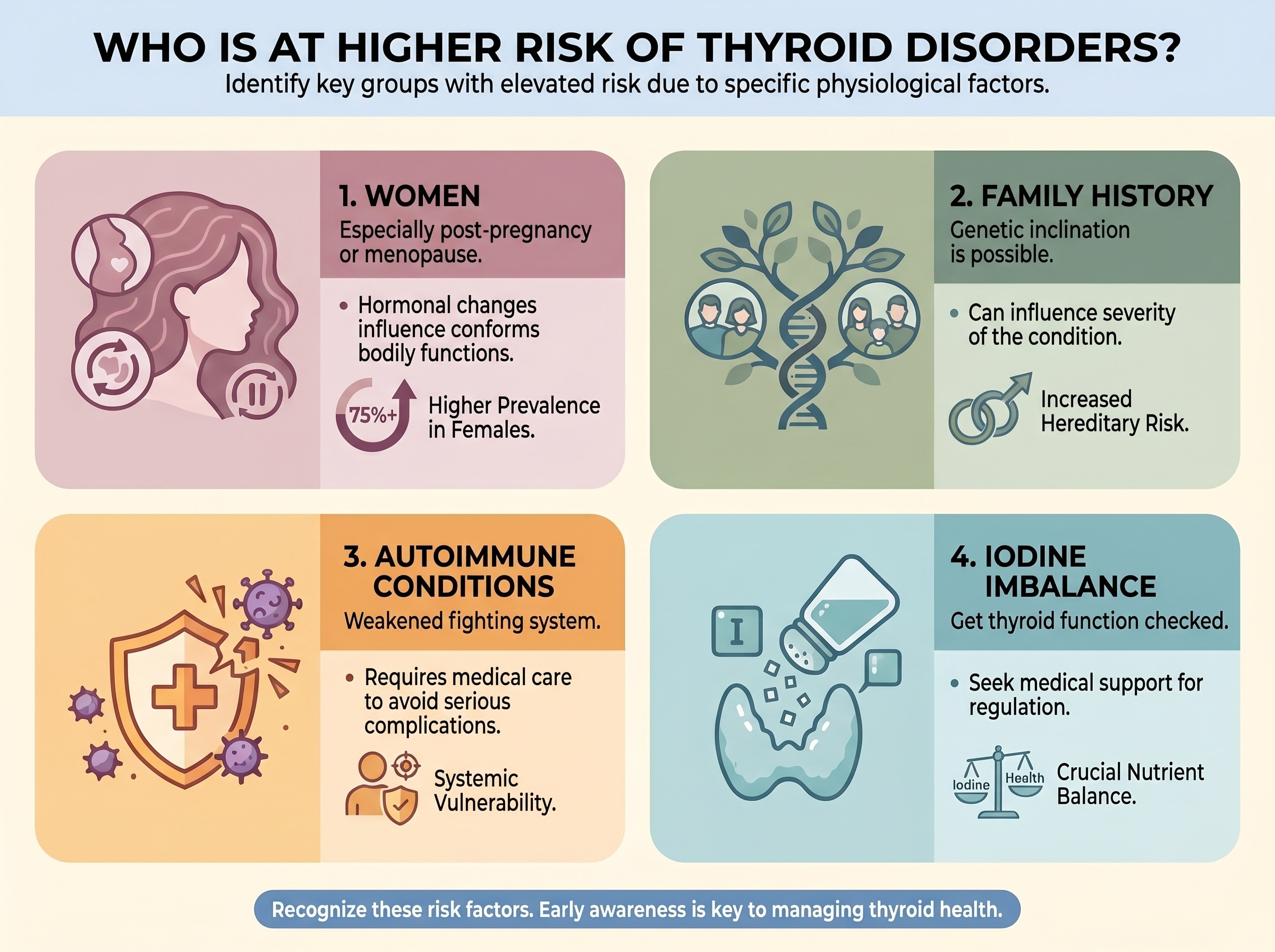
Who Is At Higher Risk Of Thyroid Disorders?
Thyroid disorders pose a higher risk of health complications in the following people, as their bodies have an ideal environment for thyroid disease to manifest. Here are the people who should be careful and in the know of their thyroid functioning:
- Women (especially post-pregnancy or menopause), as hormonal changes can influence bodily functions.
- A family history of thyroid disease means that genetic inclination is possible, which can influence the severity of the condition.
- People with autoimmune conditions have a weak fighting system that needs to be taken care of medically to avoid serious health complications.
- Individuals with iodine imbalance should get their thyroid function checked and seek medical support.
When Should You Get Tested?
If you are experiencing hair loss, fatigue, brittle nails, dry skin, unexplained weight loss or weight gain, and if these conditions are present, then you need to get tested.
- Symptoms persist for more than 2-3 weeks, signalling a persistent health issue.
- Hair loss and fatigue, if they occur together, should be checked with the right medical test.
- Weight changes without a clear cause need to be medically checked out.
Common tests include:
- Thyroid-Stimulating Hormone
- T3 and T4 levels
Also Read: Brittle, Yellow Or Pale Nails? Doctor Explains What These 7 Changes Indicate About Your Health
Can Thyroid-Related Symptoms Be Reversed?
Yes, with proper medication and hormone balance, you can reverse the symptoms of thyroid-related issues.
Hair regrowth may take time as the hair regrowth cycle needs to be synced to normal hormonal functioning.
Providing lifestyle support that involves:
- Balanced diet with iodine and selenium
- Stress management
- Regular follow-ups are needed.
Thyroid problems that cause symptoms can be reversed with the right medical tests and lifestyle support. You need to listen to the signs that your body is sending and seek timely medical care to stop the progression of the health issue that can result in complications.
Disclaimer: This content including advice provides generic information only. It is in no way a substitute for a qualified medical opinion. Always consult a specialist or your own doctor for more information. NDTV does not claim responsibility for this information.