

)
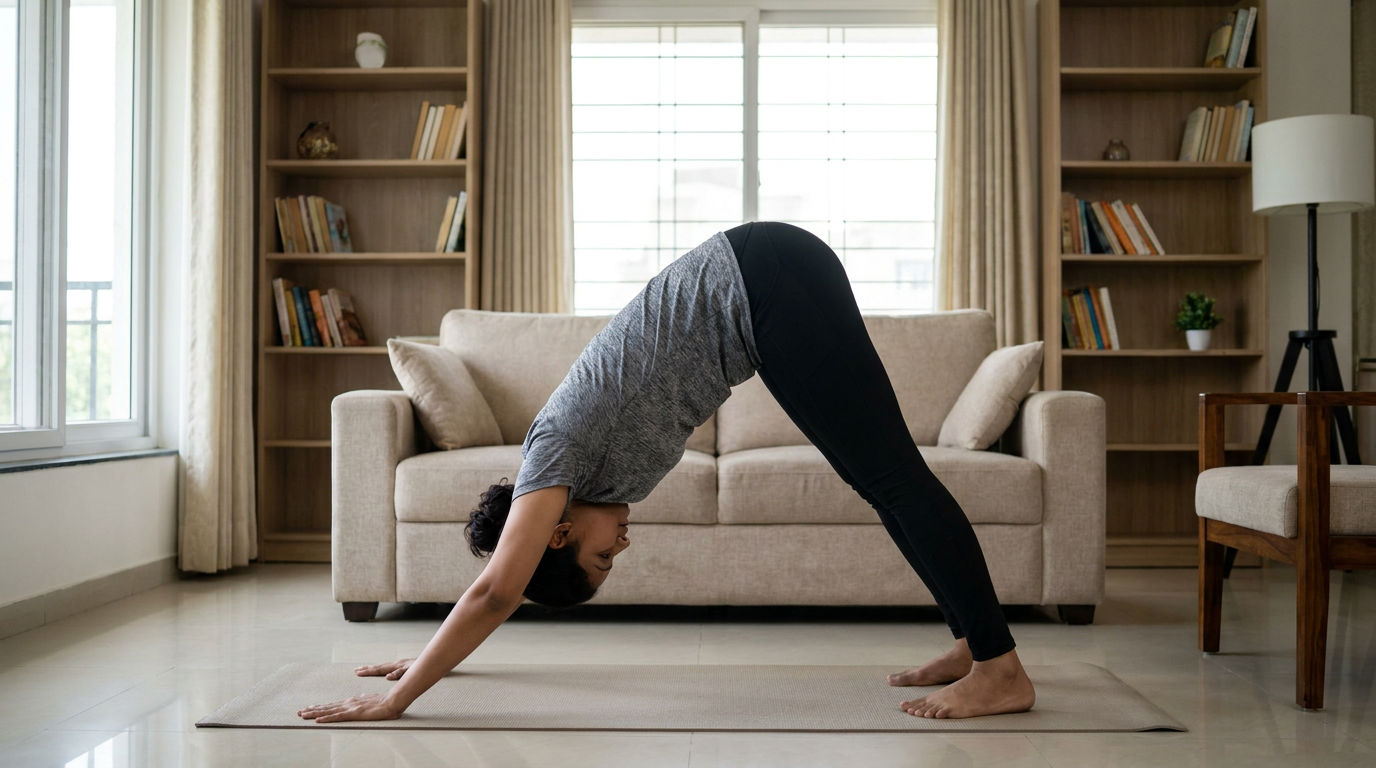
Yoga is known to be beneficial for both physical and mental health, and some poses have become popular because they offer several benefits at once. One such pose is Adho Mukha Svanasana, also known as Downward-Facing Dog Pose. It is a yoga pose that is a part of many yoga routines. It stretches the body, strengthens key muscles, and improves posture and balance. Since it engages multiple muscle groups at the same time, it is also known to be a full-body pose.
Practicing Adho Mukha Svanasana regularly can help improve flexibility, support spinal health, and increase blood circulation. It also encourages mindful breathing, making it beneficial for reducing stress and improving focus. While it is beneficial for many people, it is important to follow proper technique to avoid strain or injury. Like any exercise, it also has certain limitations and may not be appropriate for everyone.
What Is Adho Mukha Svanasana?
Adho Mukha Svanasana is a yoga pose in which the body forms an inverted "V" shape. In Sanskrit, Adho means downward, Mukha means face, and Svanasana means dog pose. The posture resembles the way a dog stretches after resting. It is commonly used as a resting pose during yoga flows while still keeping the muscles active and engaged.
How To Do Adho Mukha Svanasana
Follow these simple steps:
- Start on your hands and knees in a tabletop position
- Keep your wrists directly under your shoulders and your knees under your hips
- Spread your fingers wide and press your palms firmly into the floor
- Tuck your toes under and slowly lift your knees off the ground
- Raise your hips towards the ceiling, forming an inverted "V" shape
- Keep your arms and back straight while relaxing your neck
- Your heels can either touch the floor or remain slightly lifted if your hamstrings feel tight
- Take slow, deep breaths and hold the pose for 20-60 seconds
- Slowly lower your knees back to the floor to come out of the pose
Benefits Of Adho Mukha Svanasana
1. Improves Flexibility
The pose stretches the hamstrings, calves, shoulders, chest, and spine. Regular practice gradually improves flexibility, making everyday movements easier and reducing stiffness.
2. Strengthens The Upper Body
Supporting your body weight with your arms helps strengthen the shoulders, wrists, arms, and upper back. It also activates the chest muscles, improving overall upper-body strength.
3. Builds Core Strength
The abdominal muscles remain engaged throughout the pose to maintain balance and stability. Over time, this helps to develop a stronger core, which supports better posture and reduces the risk of back pain.
4. Supports Spinal Health
By lengthening the spine and reducing compression between the vertebrae, the pose may help relieve mild back stiffness and improve spinal alignment when practised correctly.
5. Improves Blood Circulation
Since the head is positioned below the heart, the pose encourages blood flow towards the upper body. This may help improve circulation and leave you feeling refreshed.
6. Helps Relieve Stress
Like many yoga poses, Adho Mukha Svanasana promotes deep breathing and relaxation. It can help calm the mind, reduce stress levels, and improve concentration.
7. Improves Posture
The pose strengthens the muscles that support the shoulders, back, and core. Better muscle strength and flexibility help to improve posture over time.
Limitations Of Adho Mukha Svanasana
Although beneficial, this pose is not suitable for everyone.
- It may feel difficult for beginners with tight hamstrings or limited shoulder flexibility
- It places pressure on the wrists, which may cause discomfort in some individuals
- It requires proper alignment, and incorrect technique may lead to neck, shoulder, or lower back strain
Who Should Do Adho Mukha Svanasana?
This pose may be suitable for:
- Healthy adults looking to improve flexibility and strength
- People who spend long hours sitting and want to stretch the back and legs
- Individuals aiming to improve posture and core stability
- Beginners who learn the pose under proper guidance
- People looking for a gentle way to include full-body stretching in their fitness routine
Who Should Avoid It?
Some people should avoid or modify the pose unless advised by a healthcare provider or trained yoga instructor. These include:
- People with recent wrist, shoulder, elbow, or hand injuries
- Those with severe lower back pain or slipped disc
- Individuals with uncontrolled high blood pressure unless cleared by a doctor
- People with glaucoma or certain eye conditions where inverted positions may not be recommended
- Anyone recovering from recent surgery involving the upper body or abdomen
- Pregnant women should consult their doctor or a qualified prenatal yoga instructor before practising this pose
Disclaimer: This content including advice provides generic information only. It is in no way a substitute for a qualified medical opinion. Always consult a specialist or your own doctor for more information. NDTV does not claim responsibility for this information.