

)
1 in 4 adults in India deals with hypertension in their lifetime, according to a review published in the International Journal of Research on Hypertension. It is known as a 'silent killer' as its signs are mostly ignored until it progresses to an advanced stage, where medical intervention becomes necessary, and it becomes even harder to deal with it. This is increasingly common in people who are in their 30s due to modern lifestyle issues that drive the health condition.
The symptoms of hypertension are often subtle or mistaken for stress or fatigue. But clinically, the symptoms of hypertension or high blood pressure are headaches, shortness of breath, and nosebleeds. When people hit their 30s, their current lifestyle influences affect symptoms of hypertension.
To understand hypertension in its entirety, you need to know the silent signs of the health condition.
Why Hypertension Is Increasing In Your 30s
Indians who are in their 30s are dealing with lifestyle changes that can increase their risk of hypertension. Research published in Chronic Disease and Transitional Medicine highlights that multiple risk factors for hypertension have been well established, including genetic background, high sodium intake, smoking, physical inactivity, obesity, and alcohol intake. Here are the specific factors that increase the risk of hypertension:
- Stress and long work hours make people shift their focus to being productive while ignoring their dietary needs.
- Poor sleep and lack of physical activity due to constantly being in a rush can influence blood pressure.
- Excess salt and ultra-processed foods can lead to blood pressure issues.
- Family history and genetics also influence people who are getting high blood pressure.
6 Silent Signs Of Hypertension You Should Not Ignore
Hypertension, or high blood pressure, should not be ignored, as it can lead to multiple issues with your health.
1. Frequent Headaches Or Head Pressure
If you are someone who experiences frequent headaches or head pressure, especially in the mornings. Then you need to check your blood pressure levels, as they need to be between 120/80 mmHg. Situational highs are possible, but when they are consistently high, then the problem can arise.
Work stress is often cited as a reason behind high blood pressure, but knowing whether it is definitely so is possible.
2. Unexplained Fatigue Or Weakness
When fatigue or tiredness is unexplained, then the root cause of it needs to be figured out. Chronic tiredness is possible despite rest, but the underlying medical cause needs to be figured out to effectively address it. If you are someone who experiences unexplained fatigue or tiredness daily, then you need to go for a medical check-up that includes a blood pressure check.
3. Dizziness Or Light-Headedness
High blood pressure can cause problems with dizziness or lightheadedness, especially when standing up quickly, which can be affected by blood pressure levels. There are people who experience it differently but can be impacted by dizziness or light-headedness on a daily basis, so monitoring your blood pressure levels is necessary.
4. Shortness of Breath
During mild activity like climbing stairs, if you are getting shortness of breath for a long duration. Then people need to know if their high blood pressure is influencing it. When blood pressure gets too high, your lungs become impacted. Hence, people develop shortness of breath, which is referred to as pulmonary hypertension. This is only diagnosable by shortness of breath.
5. Blurred Vision Or Eye Strain
The blood vessels in the eyes get impacted when blood pressure gets too high and stays consistently high. Constantly high blood pressure can affect vision as one possible sign; hence, an ophthalmologist can offer insight if your blurred vision or eye strain is related to high blood pressure.
6. Chest Discomfort Or Palpitations
When pulmonary hypertension is diagnosed, chest discomfort or palpitations can occur, which can impact how people function in their 30s. People have a tendency to ignore the experience of chest discomfort or palpitations as they assume that this is common.
Also Read: Blood Pressure: How Low Is Too Low? Study Reveals Target Range For A Healthy Heart
Why These Symptoms Are Easy To Miss
The physical symptoms of hypertension can overlap with other health conditions, as they can overlap with the following:
- Anxiety or burnout can manifest in similar ways and needs to be diagnosed by a medical professional who can look at it holistically.
- High blood pressure often causes no pain; this is why it can remain hidden for a long time.
- Many people do not monitor their blood pressure in their 30s, so getting annual medical check-ups is important for people who are experiencing the above symptoms or have a medical history of high blood pressure at a young age in their family.
When Should You Check Your Blood Pressure?
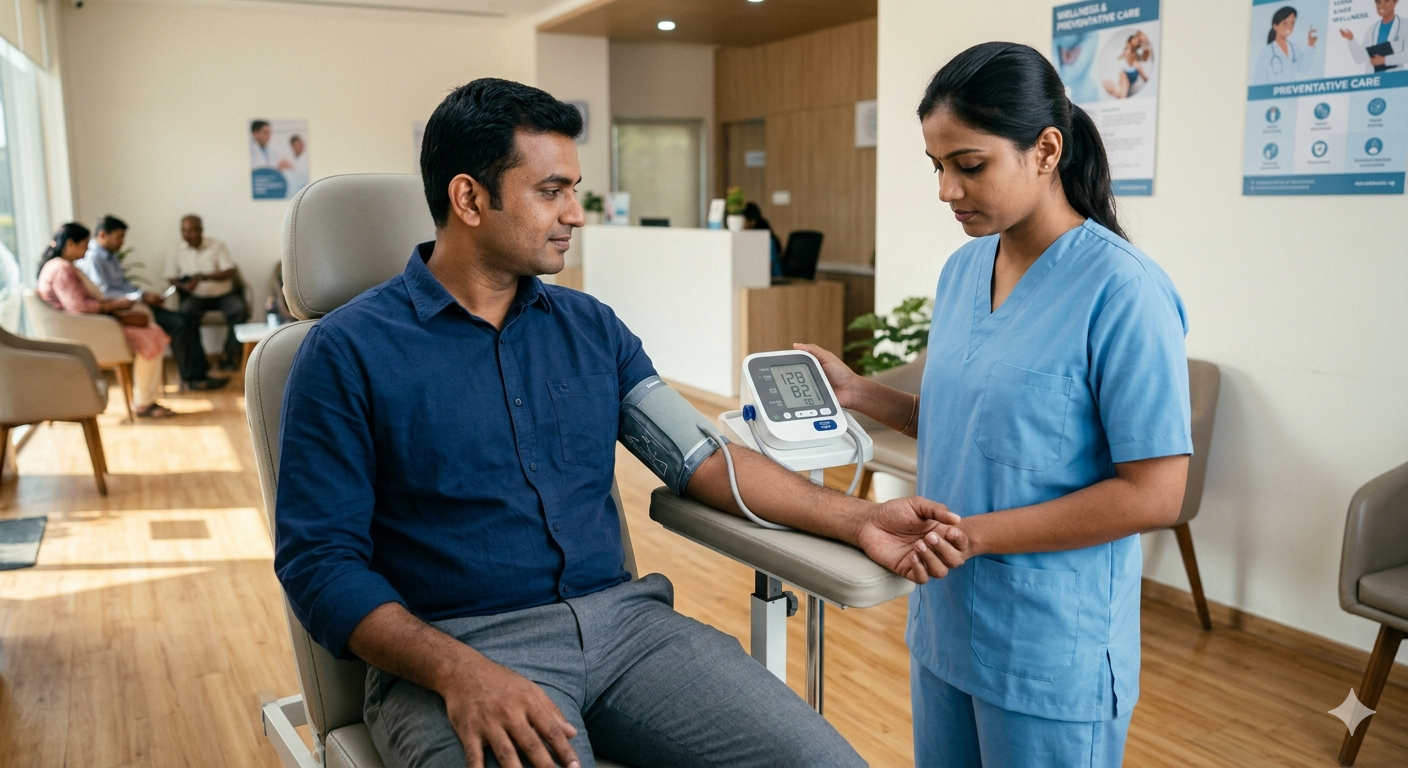
Blood pressure checking should take place in the annual health screening from the age of 30, but even sooner as lifestyle diseases exponentially increase. People in their 20s also need to be screened for the risks that they may be exposed to on a daily basis.
Annual screening from age 30, which includes blood pressure analysis under the medically trained practitioner.
The blood pressure screening needs to be performed even sooner if the following are true:
- Family history of hypertension
- Overweight or obese
- High stress or diabetes
Also Read: What Is The Best Way To Eat Beetroot For High Blood Pressure?
Lifestyle Habits That Raise Blood Pressure Early
Hypertension is influenced by lifestyle habits that can raise blood pressure even in one's 30s. Here is what you need to be careful of if you want to avoid dealing with high blood pressure:
- High salt intake, which is present in packaged foods and ready-to-eat meal kits.
- A sedentary routine that involves sitting in one position for long hours.
- Excess caffeine or alcohol can spike blood pressure, so balancing the intake is necessary to avoid high blood pressure.
- Poor sleep quality can influence blood pressure levels the following day, and the quality of sleep should be prioritised.
How To Prevent Hypertension In Your 30s
Practical ways to avoid getting hypertension in your 30s require the following:
- Regular blood pressure monitoring for those at high risk and annual or biannual check-ups for safety.
- Exercise at least 150 minutes per week to make sure your body gets the ability to move its muscles and the respective health benefits from blood pressure regulation.
- Reduce salt and processed food intake and make swaps that can benefit your health long-term.
- Manage stress and sleep every single day to ensure your blood pressure levels become normalised.
- Medical check-ups are mandatory to make sure that if you have high blood pressure, it is caught at the right time.
Hypertension often progresses silently, and its symptoms are subtle. But early detection can prevent heart disease, stroke, and even kidney damage. You need to listen to your body to protect your long-term well-being.
Disclaimer: This content, including advice, provides generic information only. It is in no way a substitute for a qualified medical opinion. Always consult a specialist or your own doctor for more information. NDTV does not claim responsibility for this information.