

)
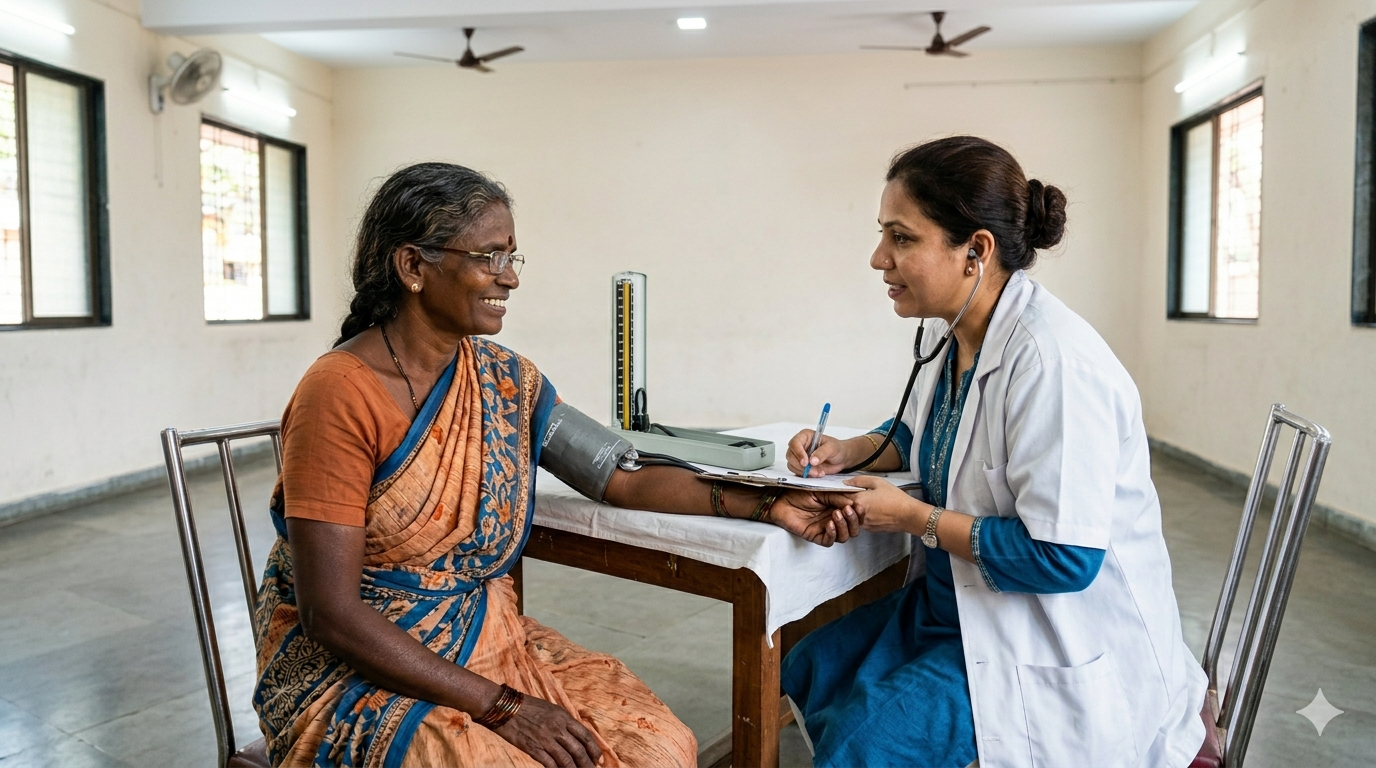
In a major preventive healthcare push for India's workforce, the Centre has launched a nationwide free annual health check-up initiative for workers aged 40 years and above under the new Labour Codes. The programme, rolled out through the Employees' State Insurance Corporation (ESIC) network, aims to improve early disease detection, strengthen occupational health systems and expand access to preventive healthcare services for millions of workers across the country.
Union Labour and Employment Minister Mansukh Mandaviya formally launched the initiative from the ESIC Medical College and Hospital in Basaidarapur, New Delhi, on May 7, with simultaneous rollout events held across multiple ESIC hospitals nationwide. Officials say the initiative is designed to help identify chronic illnesses such as diabetes, hypertension and cardiovascular disease before complications become severe.
Public health experts say the move reflects growing recognition that preventive screening and regular monitoring are critical for India's ageing workforce, especially as non-communicable diseases (NCDs) continue to rise sharply across the country.
What Is The New Health Check-Up Initiative?
The nationwide programme makes annual health screening available free of cost for workers aged 40 and above covered under the ESIC framework. According to the Ministry of Labour and Employment, the initiative is part of the broader labour reforms introduced through the four Labour Codes notified in 2025.
The screenings will be conducted through ESIC's nationwide hospital network with a focus on preventive healthcare, early diagnosis and long-term health monitoring. The government said workers involved in hazardous occupations, including exposure to chemicals, toxic substances or heavy machinery, will undergo mandatory medical examinations irrespective of age.
According to the Ministry, systematic health record maintenance and periodic monitoring will also be part of the programme to support continuity of care and occupational health planning.
Why The Focus Is On Workers Above 40
Health experts say the risk of non-communicable diseases rises significantly after the age of 40, especially among workers exposed to sedentary lifestyles, long working hours, pollution, stress and occupational hazards.
The Ministry noted that conditions such as diabetes, hypertension and cardiovascular disease often remain undiagnosed for years because symptoms may not appear until complications develop. According to the World Health Organization (WHO), non-communicable diseases account for nearly 74% of deaths globally, with cardiovascular disease, diabetes and chronic respiratory illnesses among the leading causes.
India carries one of the world's largest burdens of diabetes and hypertension. The Indian Council of Medical Research (ICMR) has previously reported rising rates of obesity, metabolic disease and cardiovascular risk factors among working-age adults. Public health experts say routine screening can help detect these conditions earlier, allowing treatment and lifestyle modifications before severe complications occur.
How The Programme Will Work
The free screenings will be carried out through ESIC hospitals and health facilities across India. Workers enrolled under the ESI scheme will be eligible for annual check-ups through the existing healthcare network.
Officials said the initiative is aligned with the "Shramev Jayate" framework focused on strengthening labour welfare and social security systems. The programme was launched simultaneously at several ESIC centres nationwide, including facilities in Delhi, Gujarat, Rajasthan and Chhattisgarh.
During the launch event, the Labour Ministry stated that the initiative would continue throughout the year to maximise participation among insured workers.
Why Preventive Healthcare Matters In Occupational Health
Occupational health experts say preventive screening programmes are especially important in large workforce populations because chronic illnesses can affect productivity, quality of life and healthcare costs. According to the International Labour Organization (ILO), workplace health programmes improve employee wellbeing and reduce long-term economic burdens associated with untreated disease.
The Labour Ministry said the initiative reflects a shift toward preventive and holistic healthcare models rather than treatment-focused systems alone. The World Health Organization - Healthy Workplaces Framework also recommends routine health monitoring and early risk assessment for workers exposed to physical and occupational stressors.
Expansion Of Social Security Coverage
During the launch, Dr Mandaviya said India's social security coverage had expanded significantly over the past decade, increasing from around 19% to nearly 64% of the population. The government also highlighted that ESIC coverage has increased from nearly seven crore beneficiaries a decade ago to around 15 crore beneficiaries today.
Officials said the Social Security Code, 2020 also expands coverage to gig workers, platform workers and segments of the unorganised workforce.
What Health Conditions Could Be Detected?
Although the government has not yet released a detailed national screening protocol, experts say annual worker health check-ups typically include blood pressure monitoring, blood sugar testing, cardiovascular assessment, BMI evaluation and occupational risk screening.
Preventive screening may also help identify anaemia, respiratory illnesses, liver disease and early kidney dysfunction depending on workplace exposure and medical history. Workplace health screening programmes can significantly improve long-term disease prevention and healthcare outcomes when combined with lifestyle counselling and follow-up care.
The Centre's new free annual health check-up initiative for workers above 40 marks one of India's largest preventive occupational healthcare efforts under the Labour Codes framework. By focusing on early detection of chronic diseases and expanding access to routine screening through ESIC hospitals, the government aims to strengthen long-term workforce health and reduce the burden of preventable illness.
Public health experts say the success of the programme will depend on implementation, awareness, follow-up care and sustained participation across industries. If scaled effectively, the initiative could become an important step toward integrating preventive healthcare more deeply into India's labour and social security systems.
Disclaimer: This content, including advice, provides generic information only. It is in no way a substitute for a qualified medical opinion. Always consult a specialist or your own doctor for more information. NDTV does not claim responsibility for this information.