

)
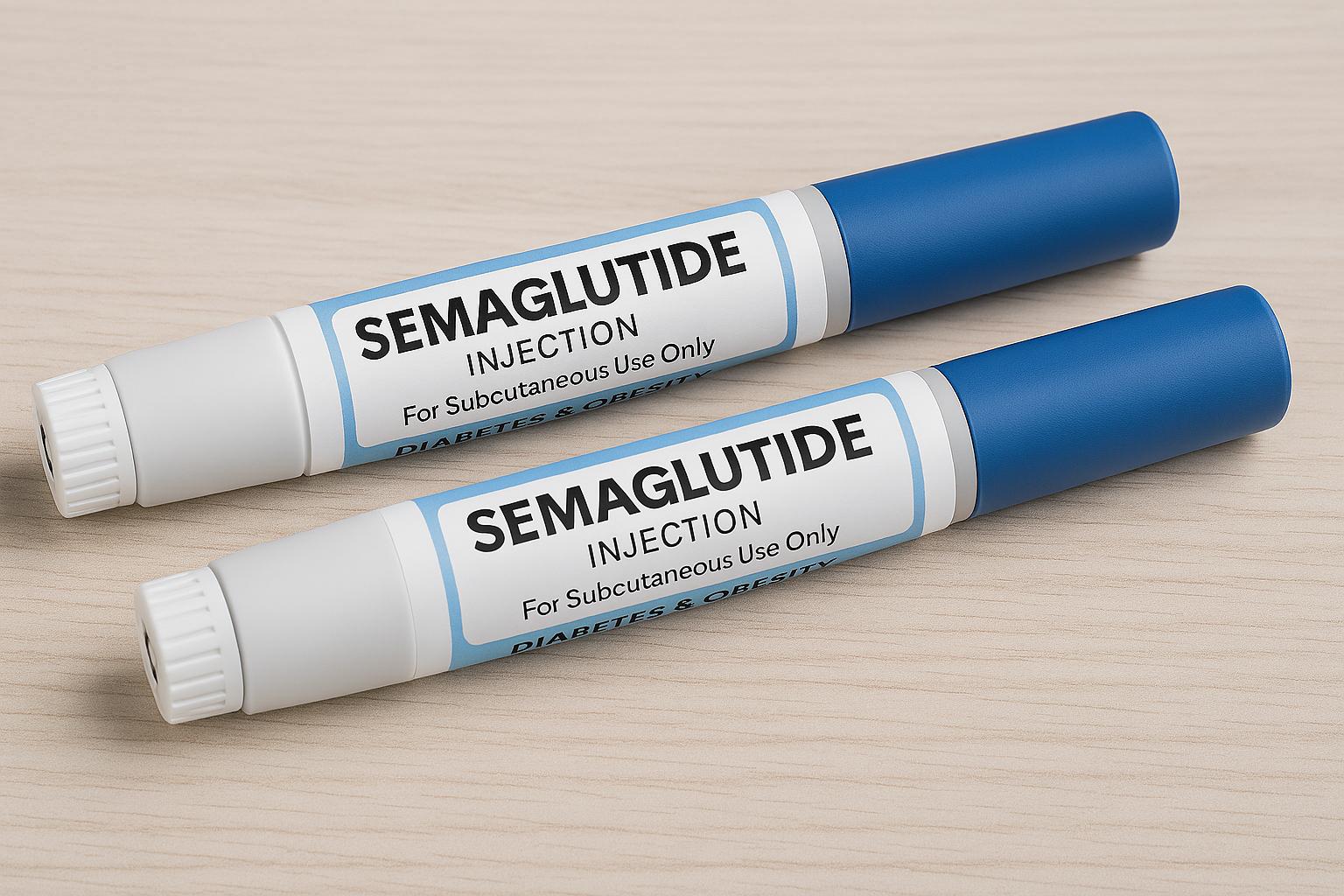
A major shift is going to happen in India's healthcare ecosystem, with the patent for Semaglutide expiring in March 2026, over 50 generic versions are expected to enter the market, making this once expensive drug far more accessible. Now it becomes important for you to be aware of the safety, health risks and side effects of Semaglutide. New meta-analyses in late 2025 indicates that semaglutide doesn't just "squeeze" more insulin out of existing cells; it improves the proinsulin-to-insulin ratio. This suggests it reduces "metabolic stress" on the pancreas, potentially slowing the underlying progression of the disease. While the recent patent expiry is great news for affordability, it also raises an important question: does cheaper mean less safe?
Why Semaglutide Generics Are Making Headlines
The data paints a striking picture of a global health crisis. According to the Global Burden of Disease Study 2019, Type 2 Diabetes Mellitus (T2DM) has reached a global age-standardised prevalence of 6.28%, affecting roughly 462 million people. The situation is expected to intensify; projections indicate that by 2030, the prevalence will climb to 7,079 per 100,000 individuals. This steady upward trend highlights an urgent and expanding challenge for public health systems worldwide. Indian pharma companies are rapidly preparing to launch generic semaglutide, aiming to expand access in a country with one of the highest diabetes burdens globally. However, doctors are already warning about misuse and unsupervised consumption, especially for cosmetic weight loss.
Are Generic Versions Safe?
In principle, yes. Approved generics must meet regulatory standards for quality, safety and effectiveness. They contain the same active ingredient and are expected to work similarly. But here's the catch:
- Semaglutide is a complex injectable drug, requiring strict manufacturing and storage conditions
- It needs a proper cold chain (refrigeration) to remain effective
- Rapid market expansion means quality control and monitoring become even more critical
So, the concern is not the molecule itself, but how well generics are manufactured, stored and prescribed at scale.
Also read: Semaglutide Is Not A Quick Fix: Bariatric Surgeon Explains The Right Way To Use It
Common Side Effects You Should Know
As per study, like all medications, semaglutide can cause side effects, whether branded or generic. Most common:
- Nausea
- Vomiting
- Diarrhoea or constipation
- Headaches
These are usually mild and improve over time, especially when doses are increased gradually.
Less Common But Serious Risks
Some side effects require closer monitoring:
- Pancreatitis (inflammation of the pancreas)
- Gallbladder problems
- Severe digestive issues
- Rare thyroid-related concerns
There is also emerging concern about muscle loss in lean individuals, especially if used without proper medical indication.
The Real Risk: Misuse, Not Just Side Effects
Experts say the biggest danger is not the drug itself, but how people use it. With prices dropping:
- More people may take it without a doctor's prescription
- It may be used as a quick-fix weight loss solution
- People without diabetes or obesity may start using it unnecessarily
Unsupervised use can increase the risk of complications, including severe gastrointestinal issues and metabolic imbalances.
Why India Needs Extra Caution Right Now
India is entering a phase of rapid adoption:
- Dozens of brands launching at once
- Increased demand due to lower prices
- Limited awareness about proper use
Experts stress that affordability must be matched with strong regulation, doctor supervision and patient education. Regulators have already started restricting aggressive promotion to prevent misuse.
Also read: From Diabetes To Weight Loss: How Semaglutide Became The Blockbuster Behind Ozempic, Wegovy
Who Should Avoid It?
Semaglutide may not be suitable for everyone. It is generally avoided in people with:
- History of pancreatitis
- Certain thyroid cancers
- Severe digestive disorders
- Type 1 diabetes
This is why self-medication is risky. Affordable semaglutide generics are a breakthrough for India, with the potential to improve diabetes and obesity care for millions. But here is the reality:
- The drug itself is generally safe when used correctly
- The biggest risks come from misuse, poor supervision and quality gaps
- Medical guidance is non-negotiable
Think of semaglutide as a powerful tool, not a shortcut. Used wisely, it can transform health outcomes. Used carelessly, it can do more harm than good.
Disclaimer: This content including advice provides generic information only. It is in no way a substitute for a qualified medical opinion. Always consult a specialist or your own doctor for more information. NDTV does not claim responsibility for this information.