

)
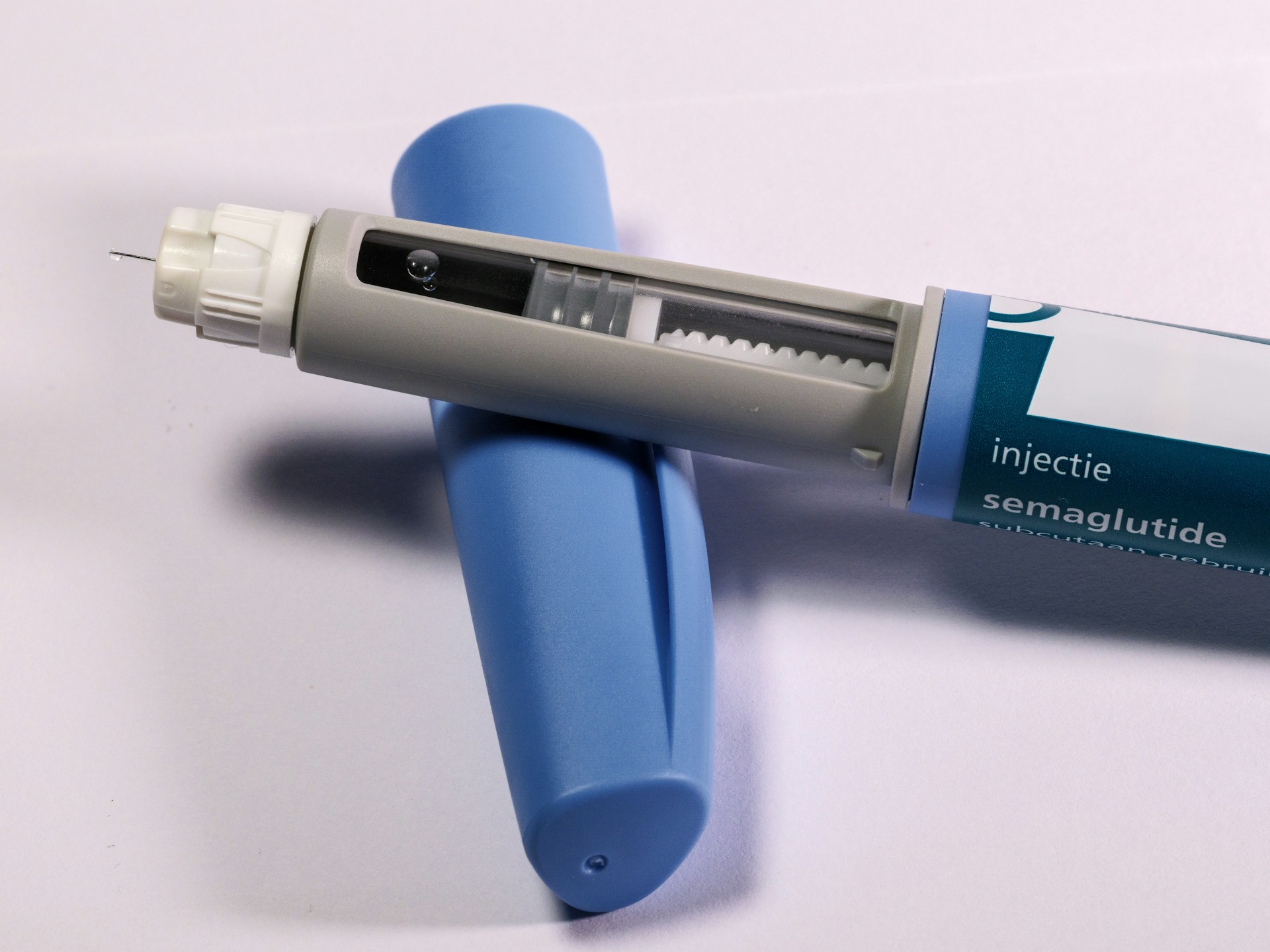
Few drugs in recent history have transformed both medicine and popular culture quite like semaglutide, the molecule behind blockbuster therapies Ozempic and Wegovy. Originally developed to treat type 2 diabetes, semaglutide has evolved into a global weight-loss phenomenon, reshaping how doctors, and society, approach obesity. Now, as key patents begin to expire in countries like India, the drug is entering a new chapter. Generic versions are expected to hit the market, potentially lowering costs and expanding access to millions. This moment marks not just a pharmaceutical milestone, but a turning point in how metabolic diseases are treated worldwide.
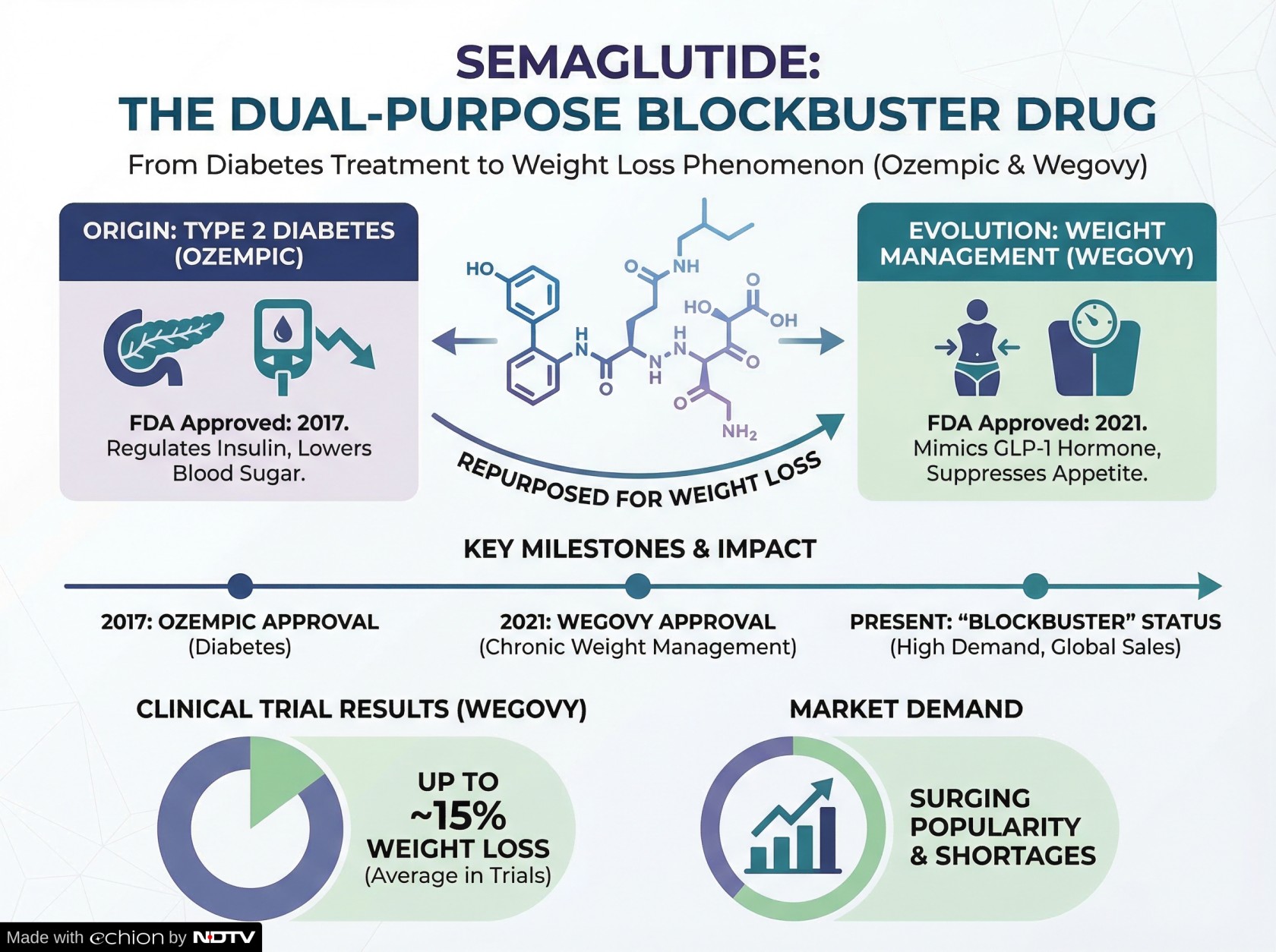
Semaglutide belongs to a class of drugs called GLP-1 receptor agonists, which mimic hormones that regulate blood sugar and appetite. While its glucose-lowering effects made it a breakthrough in diabetes care, its unexpected and dramatic weight-loss benefits propelled it into global headlines, fuelled further by celebrity endorsements and social media hype.
From scientific innovation to cultural obsession, the story of semaglutide is as much about medicine as it is about modern society's relationship with weight, health and access to care.
The Origins: A Diabetes Breakthrough
Semaglutide was developed by Novo Nordisk as part of a new generation of GLP-1 receptor agonists designed to improve blood sugar control in people with type 2 diabetes.
These drugs mimic a naturally occurring hormone that:
- Stimulates insulin secretion
- Reduces glucagon release
- Slows gastric emptying
- Promotes satiety
This dual action, on blood sugar and appetite, made semaglutide particularly effective. Clinical research shows GLP-1 drugs improve glycaemic control while also reducing body weight, a rare combination in diabetes therapy. Approved first for diabetes management, semaglutide quickly gained traction due to its once-weekly dosing and strong efficacy.
Also Read: 50+ Branded Semaglutide Generics To Enter India As Diabetes Drug Patent Expires In March 2026
The Turning Point: Weight Loss Redefined
The real breakthrough came during large clinical trials when researchers observed substantial weight loss among participants. Studies found that semaglutide could lead to average weight loss of around 15% of body weight, far exceeding results seen with earlier medications. This repositioned the drug as a powerful obesity treatment. Experts say this marked a shift in how obesity is viewed, not just as a lifestyle issue, but as a chronic, treatable medical condition.
By acting on the brain's appetite centres, semaglutide reduces hunger and calorie intake. NDTV Health has previously reported that the drug works by increasing feelings of fullness and reducing cravings, leading to sustained weight loss. This scientific leap turned semaglutide into a blockbuster, with demand surging globally.
The Price Of Popularity
Despite its success, semaglutide has also sparked debate over affordability. In the United States, the list price of semaglutide-based drugs is around $1,000 per month, making them inaccessible for many without insurance. Even oral versions like Rybelsus are priced at nearly $936 per month, significantly higher than in other countries.
In India, prices vary but are still substantial, with estimates for Ozempic ranging from Rs 17,000 to Rs 26,000 per month, depending on dosage and availability. However, this could change dramatically. Studies suggest semaglutide could potentially be manufactured for just a few dollars per month, highlighting a massive gap between production cost and market price.
With patent expiry approaching, Indian pharmaceutical companies are preparing to launch generic versions, possibly at significantly lower prices, potentially reshaping access.
The Celebrity Effect And Cultural Impact
Semaglutide's rise cannot be understood without acknowledging its cultural moment. Global celebrities like Oprah Winfrey and Meghan Trainor have spoken publicly about using GLP-1 drugs for weight loss, fuelling mainstream interest. In India, speculation around celebrities and influencers, from Ram Kapoor and Karan Johar to Tanmay Bhat and Kusha Kapila using drugs like Ozempic has further amplified demand, even though many deny or downplay such use.
The drug has also sparked new cultural terms like Ozempic face and Ozempic vulva, reflecting visible weight-loss changes, side effects and the broader social conversation around body image. Experts warn that this hype has led to off-label use, supply shortages and even counterfeit markets in some regions.
The Science And The Limits
While semaglutide is highly effective, it is not a magic solution. Common side effects include nausea, vomiting and gastrointestinal discomfort. More importantly, studies show that weight regain is common after stopping the drug, suggesting it may need to be used long-term for sustained benefits.
Doctors also caution that semaglutide should not replace lifestyle interventions such as diet and exercise. Moreover, newer drugs like tirzepatide are already entering the market, potentially offering even greater weight-loss outcomes by targeting multiple hormonal pathways.
Also Read: What Are Semaglutide Generics? Here's Why They Matter More In India Now
What Patent Expiry Means For The Future
The expiry of semaglutide patents, particularly in India, could mark a major shift in global healthcare. Lower-cost generics may:
- Improve access for millions with diabetes and obesity
- Reduce healthcare costs
- Increase competition among pharmaceutical companies
India, with one of the world's largest populations of people with diabetes, could become a key market for affordable semaglutide. However, experts stress the need for regulated use, medical supervision and public awareness to avoid misuse.
Semaglutide's journey from a diabetes drug to a global weight-loss phenomenon reflects a rare convergence of scientific innovation, market forces and cultural trends. As patents expire and generics enter the market, the next chapter will be defined by accessibility, and responsibility. While the drug offers powerful benefits, its long-term impact will depend on how it is used: as a medical tool within a broader framework of health, not a shortcut driven by hype.
Disclaimer: This content including advice provides generic information only. It is in no way a substitute for a qualified medical opinion. Always consult a specialist or your own doctor for more information. NDTV does not claim responsibility for this information.