

)
Chinese scientists have achieved the world's first reversal of type-2 diabetes using stem-cell therapy. This is no mean feat, as this is historic and globally significant, as type-2 diabetes is prevalent globally and in India. Type 2 diabetes is a condition wherein the body is unable to use insulin properly, and it raises your blood sugar levels, so to control it, insulin and medications may be prescribed. But once someone becomes insulin dependent, it is nearly impossible to regain normal function. The Chinese researchers have achieved a remarkable feat by using established stem cell therapy to transplant healthy pancreatic cells to mimic the function of insulin regulation inside the body. This experimental treatment has been successful for the first time, wherein the patient isn't dependent on injectable insulin or medication for managing blood sugar.
How Stem Cell Therapy Works
There are steps involved in how stem cell therapy was used to reverse type-2 diabetes. Firstly, the scientists use stem cells that are taken from the patient's own body or from a donor. The main reason that they are used is that they have the ability to transform into different types of specialised cells and perform the desired function. In the lab, these stem cells are guided using chemical signals and genetic cues to become pancreatic islet cells. Specifically, they are turned into beta cells, which are the body's natural insulin producers.
These cells are now considered reprogrammed and grown into clusters to mimic the natural structure of pancreatic tissue that is damaged. These clusters can sense blood sugar levels and release insulin when needed.
Then, these insulin-producing clusters are transplanted into the patient's body; in this case, it was the abdomen. Once they are inside, they integrate with the patient's blood supply. The main challenge arises in determining whether the cells are accepted or rejected, which will determine the outcome.
To restore insulin production, the transplanted cells then begin functioning like healthy pancreatic beta cells. They work to detect rising blood glucose and release insulin accordingly, lowering sugar levels naturally. This reduces or eliminates the need for external insulin injections.
Lastly, the medical professionals monitor the patients to ensure that the transplanted cells survive in the patient's body, keep producing insulin, and do not trigger immune rejection or lead to other complications.
Stem cell therapy for treating type-2 diabetes is a kind of regenerative medicine that could help create tailored treatment for the disease.
The results of this case are promising, but there is a need to be cautious. As this is a single case wherein the stem cell therapy proved effective, more large-scale clinical trials are needed to confirm safety and efficacy. Multiple demographics need to be considered while creating treatments for type-2 diabetes, as this case is a single success story.
Also Read: Doctor Explains 4 Major HbA1c Blood Sugar Test Myths Keeping Indians On The Wrong Diabetes Path

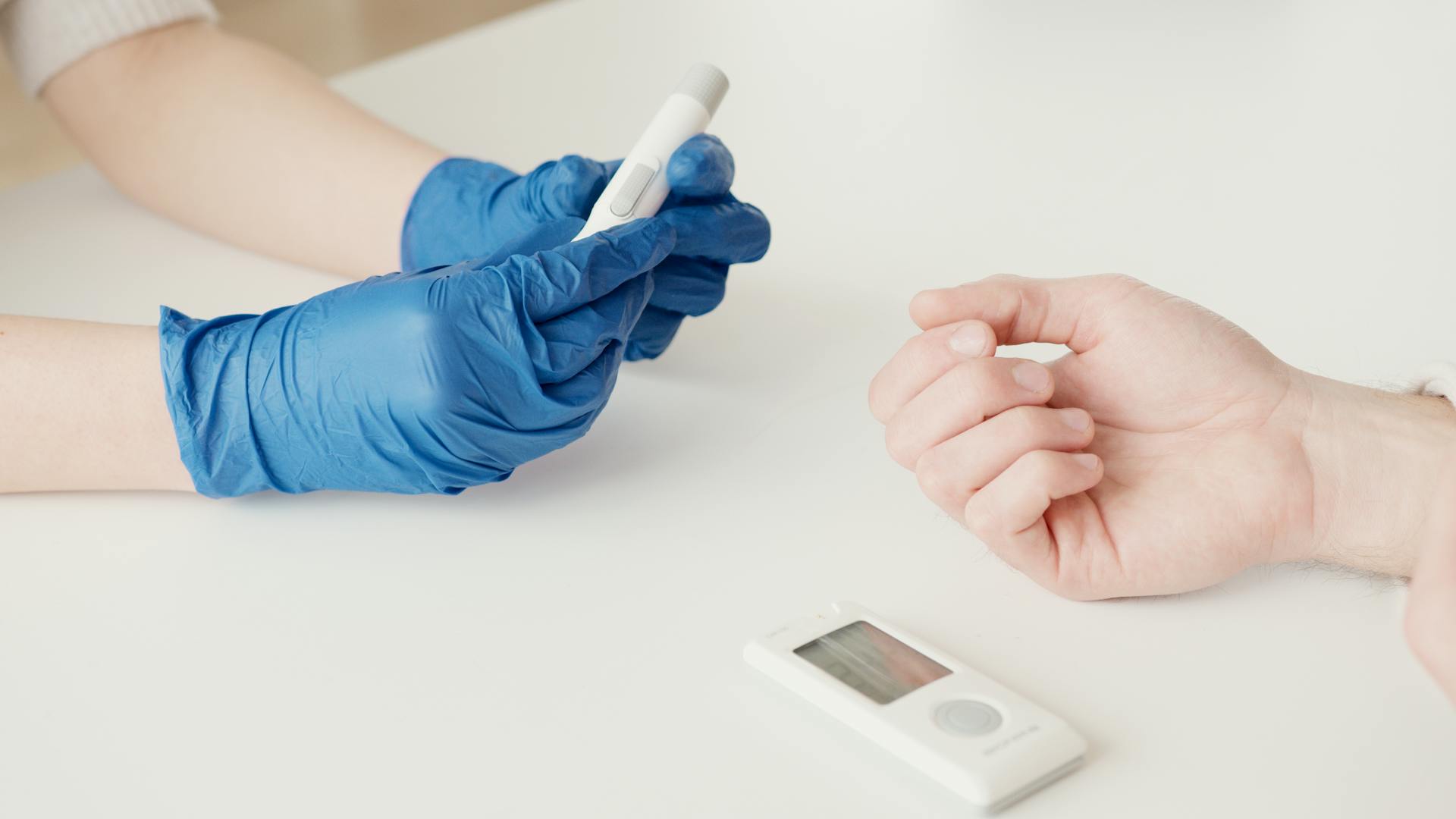
Diabetes medication and test
Photo Credit: Pexels
Why This Matters Globally And For India
Currently, type-2 diabetes is a lifelong management marathon that could experience a shift to curative approaches due to such innovative research practices. Globally, the total impact of diabetes affects about 90 million adults between the ages of 20 and 79 years, and over 90% of these cases are of type-2 diabetes. The International Diabetes Federation has flagged type-2 diabetes as a major public health concern.
India had 89.8 million adults (20-79 years) living with diabetes in 2024, and the figure is projected to reach 100 million by the end of 2026.
Through innovative research on potential cures for type-2 diabetes, the future of diabetes treatment could be possible. By using stem cell therapy for insulin-dependent patients, researchers and scientists could tailor approaches that could prove successful in easing the global load of diabetes.
Also Read: Checking Your Blood Sugar At Home? Avoid These Mistakes For Accurate Results
Challenges And Risks With Stem-Cell Therapy
There are challenges and risks associated with effectively saying that stem-cell therapy could prove fruitful for curing type-2 diabetes. Here are the risks and challenges that you should be aware of:
- One case does not equal a cure; it is encouraging and a positive outcome, but the progress needs to be tracked.
- Long-term monitoring is required for patients who are on stem-cell therapy, and you need to consider the exact environment and other factors that may impact outcomes.
- Ethical and regulatory considerations in stem cell therapy are involved, which can include informed consent, awareness of the uncertainty aspect, and equity and access issues.
- Diabetes treatment innovation presents challenges, as people from multiple demographics need to be kept in mind while creating affordable treatment options.
The first case is a historic milestone, but it is still in its early days. There is hope, but there is a need to practise caution, especially to avoid making claims, as more randomised controlled studies and clinical trials are needed to prove its efficacy. Stem cell therapy could become the future of diabetes care when there is a larger data pool to prove its effectiveness.
Disclaimer: This content, including advice, provides generic information only. It is in no way a substitute for a qualified medical opinion. Always consult a specialist or your doctor for more information. NDTV does not claim responsibility for this information.