

)
Maintaining healthy blood sugar levels is crucial for diabetics to prevent the complications associated with it. When left uncontrolled, constantly high blood sugar levels can increase the risk of heart disease, kidney damage, nerve damage, and vision problems. High blood sugar (hyperglycemia) can lead to both immediate symptoms, such as excessive thirst and frequent urination, and long-term complications that can significantly affect quality of life. On the other hand, low blood sugar (hypoglycemia) can result in serious reactions, including confusion, dizziness, and even loss of consciousness. Thus, keeping blood sugar levels within a target range helps to ensure overall health and well-being for those managing diabetes.
Checking blood sugars daily is an integral part of diabetes management. It allows individuals to monitor their glucose levels closely and make informed decisions about their diet, physical activity, medication, and overall treatment plan. Daily monitoring helps identify patterns over time, such as how different foods or activities affect blood sugar levels. This data can be invaluable for healthcare providers to adjust treatment plans effectively.
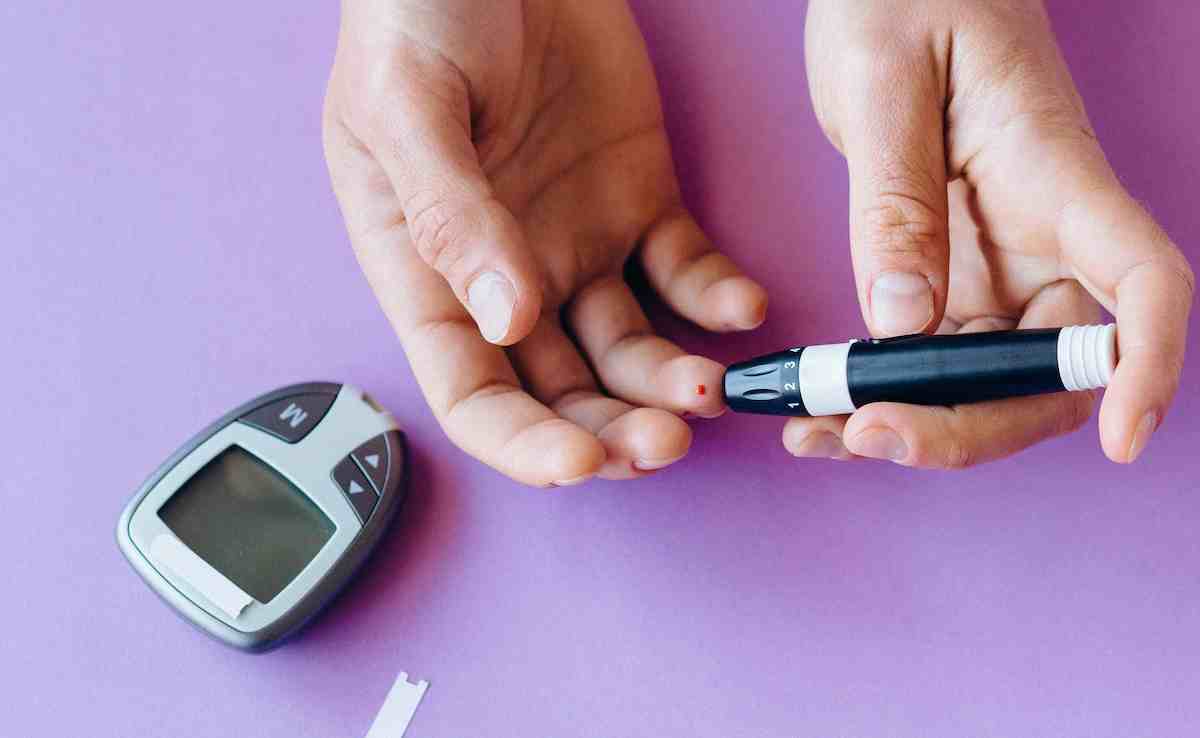
Checking your blood sugar at home is a simple process. Here are some tips to check blood sugar levels correctly at home and mistakes to avoid for accurate results.
How to check blood sugars at home
"People who live with diabetes must check their blood sugar levels daily. To get an accurate reading of your blood sugar, you should first wash your hands with soap and warm water, making sure they are completely dry before beginning the blood sugar test. Next, you will need to insert a new test strip into your glucometer. You should use a fresh lancet to prick the side of your fingertip (not the centre) to avoid excessive pain. You will then apply a small amount of blood from the fingertip to the test strip by gently squeezing to produce a drop of blood onto the test strip, after which you will wait for your glucose reading before recording the results on paper along with the date and time," explains Dr. Vaibhav Singhal, Consultant- Endocrinology at Max Super Speciality Hospital, Vaishali.
"Follow the recommendations of medical associations such as the American Diabetes Association or your physician regarding fasting blood glucose levels or post-prandial (after eating) blood glucose levels, as they provide you with the upper or lower limit of your fasting and post-prandial blood glucose levels. Proper calibration of the glucometer must be performed regularly, if necessary."
Mistakes to avoid:
"Some common mistakes can impact the accuracy of your blood glucose measurement. When measuring your blood glucose, avoid measuring your blood sugar on unwashed hands, as this will give you a falsely high reading due to leftover food on your hands. You should also avoid using lancets multiple times, as well as test strips that have passed their expiration date. You should avoid using excessive pressure on the fingertip as this will dilute the sample. Finally, you should store your test strips in a cool, dry place and check the battery of your glucometer regularly to ensure you obtain reliable results," says Dr. Singhal.
Also, ensure you're using the right depth setting on the lancing device; too shallow may not draw enough blood, while too deep can cause discomfort. Users should also measure at consistent times (e.g., fasting, post-meal) to capture specific patterns in blood sugar levels. Some meters require periodic calibration for accuracy. So, always refer to the manufacturer's instructions.
By following best practices and checking blood sugar levels regularly, diabetics can better manage their condition and reduce the risk of complications.
Disclaimer: This content including advice provides generic information only. It is in no way a substitute for a qualified medical opinion. Always consult a specialist or your own doctor for more information. NDTV does not claim responsibility for this information.