

)
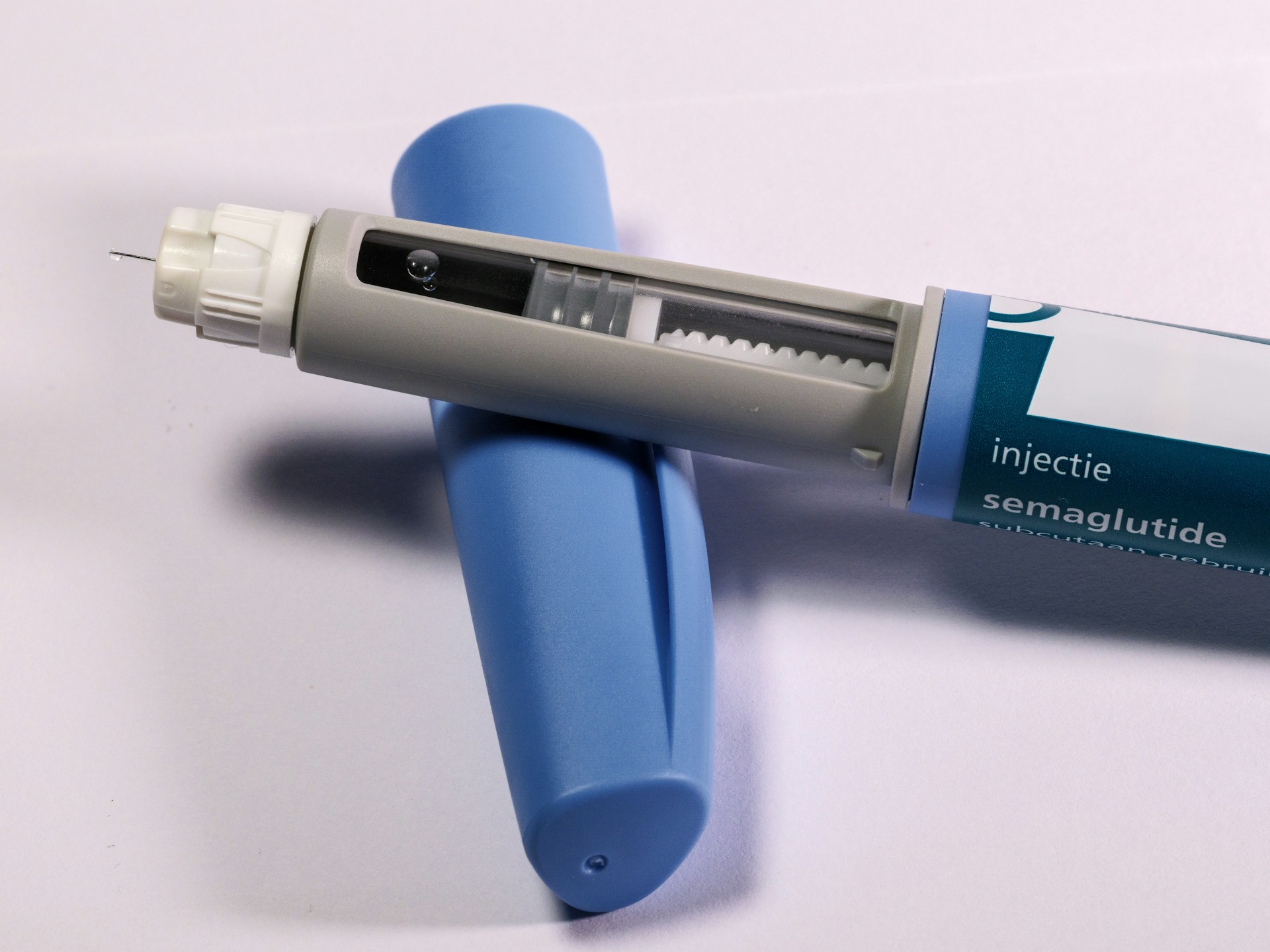
India's anti-obesity drug market is on the brink of a major transformation, with prices of popular weight-loss medications poised to drop significantly in 2026. According to industry reports, blockbuster injectable therapies like Ozempic and Wegovy, which contain the active ingredient semaglutide, are set to face generic competition beginning March 21, 2026, following the expiry of semaglutide's patent on March 20.
Semaglutide-based therapies have seen strong demand globally for weight management and diabetes support, contributing to a fast-growing market that analysts estimate at nearly Rs 1,400 crore in India. The expected entry of multiple generic versions, from companies such as Sun Pharma, Zydus Lifesciences, Dr. Reddy's and Natco Pharma, could halve current prices, making treatments more affordable for patients with obesity and weight-related health risks.
Wider access to affordable generics is anticipated to broaden the reach of medically supervised weight-loss treatments, shifting what was once a niche, high-cost option into a more accessible tool in the fight against obesity and related chronic diseases.
Why Semaglutide Patents Matter
Semaglutide, a glucagon-like peptide-1 (GLP-1) receptor agonist, has become one of the most prescribed medicines in the fight against obesity and type 2 diabetes. Originally developed for blood sugar control in diabetes, semaglutide has also been shown to deliver significant weight loss when used under medical supervision. Guidance from the World Health Organization highlights that obesity is a major global health risk factor for conditions such as cardiovascular disease, diabetes and hypertension, making medical interventions an important part of comprehensive care.
Until patents expire, semaglutide therapies are owned by originator companies, such as Novo Nordisk, which often sell them at premium prices to recoup research and development investments. In India, branded semaglutide injections like Wegovy and Ozempic have carried relatively high costs since their debut, limiting accessibility for many patients. The upcoming patent expiry allows Indian pharmaceutical firms to produce generics, increasing competition and exerting downward pressure on prices.
Also Read: Weight-Loss Surgery May Protect Your Heart More Than Drugs Like Ozempic, Mounjaro: Study
What Price Reductions Are Expected?
Industry analysts expect that once generic semaglutide enters the market from March 21, 2026, prices could be cut by roughly 50 % compared with current branded cost for starter doses, potentially falling to around Rs 3,500- Rs 4,000 per month for basic semaglutide formulations. This would contrast sharply with existing prices for branded versions, where lower strength Wegovy previously cost around Rs 10,000 per month before discounts and brand-specific pricing.
Major Indian manufacturers such as Sun Pharma have announced plans for "day-one" launches of generic prefilled pens, while others, including Dr. Reddy's Laboratories, are positioning their generic brands competitively, potentially offering discounts of up to 50-60 % or more in early competition.
The increased competition, with more entrants expected in the months after launch, could further accelerate price reductions over time. Analysts anticipate that a combination of market expansion and aggressive pricing may make medically supervised weight-loss treatments accessible to a much broader swath of the population.
Health Implications: India Needs To Think Beyond Price
Making weight-loss drugs more affordable has potential public health benefits, especially in countries like India where obesity and type 2 diabetes are highly prevalent. According to data tracked by the International Diabetes Federation, India has one of the largest adult diabetes populations in the world, with hundreds of millions affected or at risk, underscoring the need for effective, accessible treatment options.
Prescription GLP-1 therapies not only support weight reduction but also help improve glycaemic control and reduce certain cardiovascular risks when used appropriately under medical care. However, they are not standalone solutions; sustained lifestyle modification remains central to long-term health outcomes.
Experts caution that while reduced prices may increase use, medications should be prescribed by qualified healthcare professionals and used within a comprehensive treatment plan that includes diet, exercise and monitoring for side effects.
Also Read: Novo Nordisk's CagriSema Delivers 23% Weight Loss In Trial But Still Trails Eli Lilly's Tirzepatide
Broader Market Shifts
The anticipated pricing shift in India mirrors global trends. In markets like the United States, manufacturers have already announced list price reductions for semaglutide products to improve affordability, though out-of-pocket costs may vary depending on insurance coverage and healthcare systems.
India's position as a major generics manufacturing hub, historically credited with expanding global access to affordable medicines, means that the post-patent period for semaglutide could signal a broader evolution in obesity care. Increased competition may also spur innovation in related therapies and strengthen the role of primary care in chronic disease management.
The expiry of semaglutide patents in India in March 2026 is poised to usher in a new era for weight-loss drugs. With multiple domestic manufacturers preparing to launch generic versions at significantly lower prices, more patients may gain access to medically supervised obesity treatments that have, until now, been costly.
Lower prices can expand treatment access and support healthier outcomes for people with obesity and type 2 diabetes, but responsible use under medical guidance remains essential. As the Indian anti-obesity market evolves, affordability combined with appropriate clinical use could help improve population health while reducing barriers to effective therapy.
Disclaimer: This content, including advice, provides generic information only. It is in no way a substitute for a qualified medical opinion. Always consult a specialist or your own doctor for more information. NDTV does not claim responsibility for this information.