

)
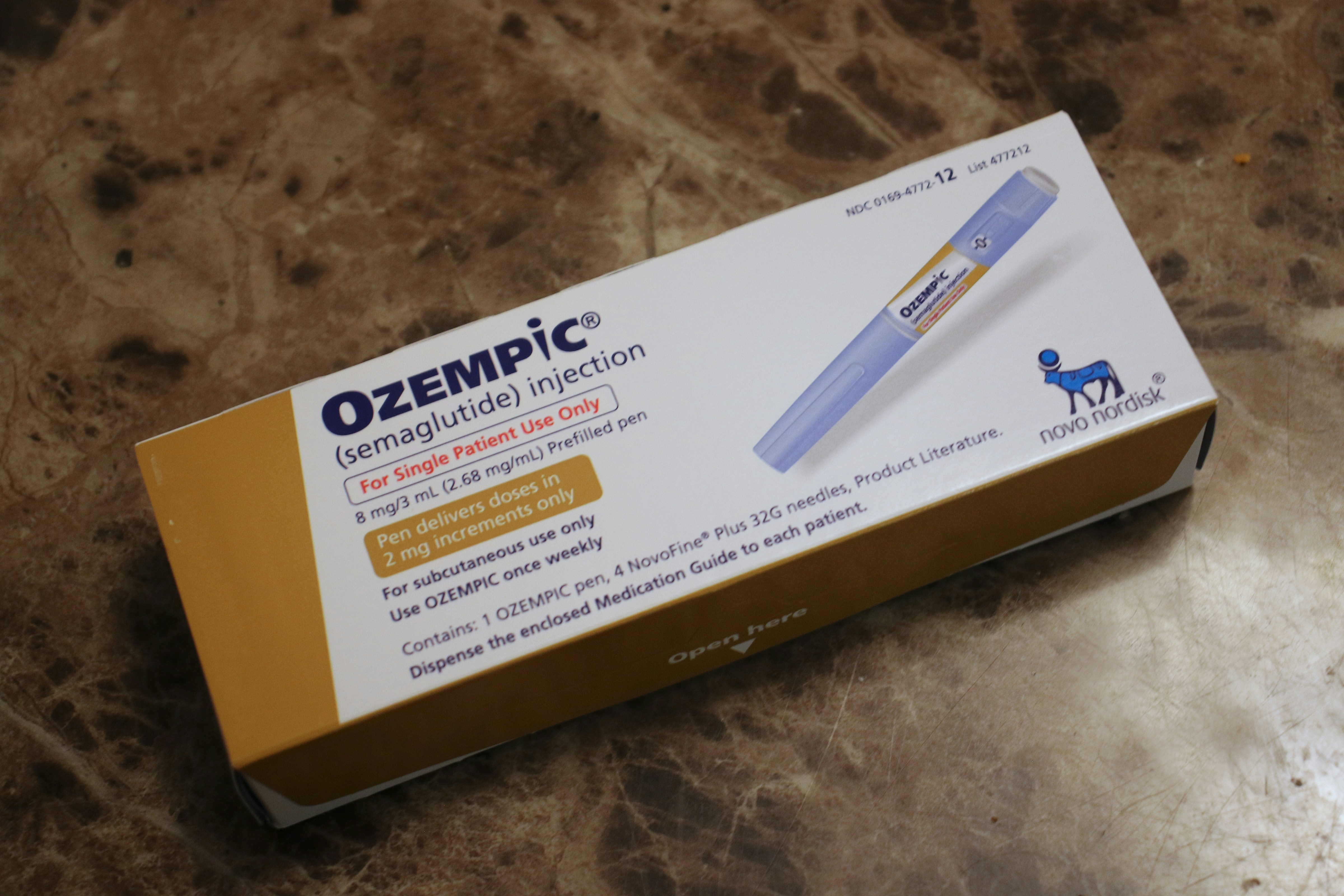
A recent study points to a potential link between GLP-1 drugs and its ability to reduce risk of epilepsy in people with type 2 diabetes. GLP-1 drugs (semaglutide) are those which mimic the function of glucagon-like peptide-1 (GLP-1) hormone. Ozempic is the brand name for semaglutide, which is a once-weekly injectable formulation that is approved for adults in India with uncontrolled type 2 diabetes, along with diet and exercise. GLP-1 receptor agonists helps in regulating blood sugar levels, appetite and digestion.
The study was published in Neurology, the medical journal of the American Academy of Neurology. It offers early evidence of neurological benefits from these medications. While the findings reveal only a link, larger, randomised controlled trials are needed to verify if GLP-1 drugs truly protect against epilepsy.
Study Uncovers Epilepsy Risk Reduction
Edy Kornelius, MD, PhD, of Chung Shan Medical University in Taichung, Taiwan, and study author said, "Additional randomized, controlled trials that follow people over time are needed to confirm these findings, but these results are promising, since people with diabetes are at increased risk for developing epilepsy later in life. Epilepsy can have many physical, psychological and social consequences, and many people do not respond to the current medications, so finding ways to reduce this risk is critical."
For the study, researchers tapped into a U.S. health database, analysing adults newly diagnosed with type 2 diabetes who started either GLP-1 receptor agonists (GLP-1 RAs) or dipeptidyl peptidase-4 inhibitors (DPP-4 inhibitors, or gliptins). None of the participants had a prior diagnosis of epilepsy or seizure. The GLP-1 medications included dulaglutide, liraglutide and semaglutide.
Key Findings and Methodology
The researchers followed 452,766 individuals, averaging 61 years old. Half of them (226,383) received GLP-1 drugs like dulaglutide, liraglutide, or semaglutide. The other half got DPP-4 inhibitors. These individuals were followed for at least five years, tracking new epilepsy diagnoses. Data showed 1,670 epilepsy cases (2.35%) among GLP-1 users versus 1,886 (2.41%) in the DPP-4 group-a small but notable gap. Adjusted results show a modest reduction in epilepsy risk.
Researchers adjusted for confounders like age, hypertension, cardiovascular disease, and other comorbidities. The refined results indicated GLP-1 users had a 16% lower risk of developing epilepsy compared to DPP-4 users.
Breaking it down by drug, semaglutide stood out with the strongest protective signal. Dulaglutide and liraglutide also trended positively, though less pronounced.
Expert Insights and Limitations
"More research is needed, but these findings support the theory that GLP-1 drugs may have neurological benefits beyond controlling blood sugar," Kornelius said. "It should be noted that these findings do not imply that DPP-4 inhibitors are harmful in any way or that GLP-1 drugs are definitely beneficial for brain health."
GLP-1 drugs mimic the gut hormone glucagon-like peptide-1, boosting insulin release, slowing digestion, and curbing appetite. Their rising popularity, fueled by weight-loss brands like Ozempic (semaglutide) and Wegovy, has sparked interest in other benefits, including potential neuroprotective roles seen in animal models for conditions like Parkinson's and Alzheimer's.
The study has its limitations. Its retrospective, observational nature can't rule out unmeasured biases. Newer drugs like tirzepatide (a GLP-1/GIP dual agonist, marketed as Mounjaro or Zepbound) weren't included, as they launched post-study period and the results don't apply to them.
Other factors like missing data on epilepsy risk factors; family history, genetics, alcohol consumption, or sleep disorders, further impacts interpretation.
Despite these hurdles, the large sample and rigorous adjustments shows credibility. Epilepsy affects over 50 million worldwide, with diabetes as a known risk amplifier via shared pathways like inflammation and vascular damage.
Disclaimer: This content including advice provides generic information only. It is in no way a substitute for a qualified medical opinion. Always consult a specialist or your own doctor for more information. NDTV does not claim responsibility for this information.