

)
High blood pressure, also known as hypertension, is a condition wherein the force of blood against the artery is high consistently. When your blood pressure levels are high, it increases your risk of heart attack, stroke and kidney failure. According to the World Health Organization (WHO), nearly 1.4 billion people across the world between 30 and 79 years had high blood pressure in 2024. WHO also states that hypertension is a major cause of premature death globally. Hence, it is very important to control your blood pressure levels.
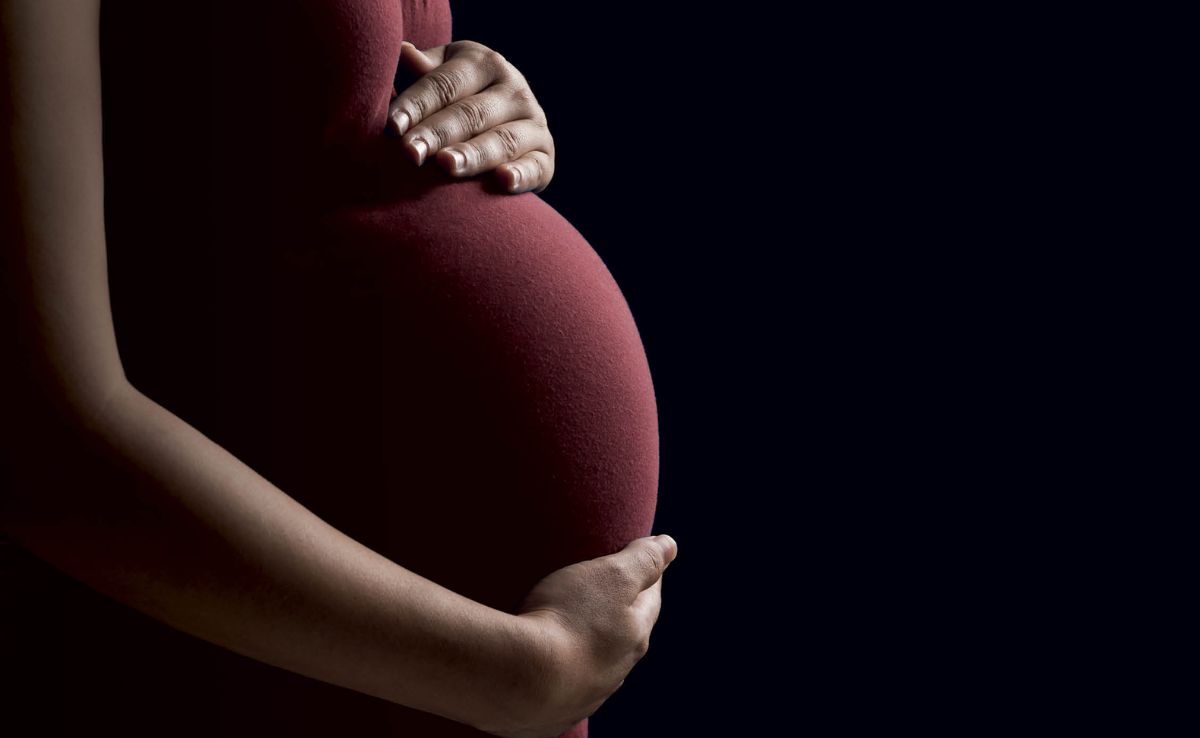
Pregnant people too tend to suffer from high blood pressure. When your blood pressure increases during pregnancy, it adds excess pressure on your heart and kidneys. This can lead to heart disease, kidney disease and stroke, among other issues. When you have high blood pressure during pregnancy, it increases your risk of preeclampsia, preterm birth, placental abruption, and cesarean birth. during pregnancy. The signs of high BP usually emerge after 20 weeks of gestation and it is important to get medical attention. Not doing so can lead to complications. Spotting the signs can help you get timely medical attention which can eventually help control blood pressure levels.
High blood pressure signs during pregnancy
1. Severe Headaches
One of the most alarming signs of high blood pressure during pregnancy is persistent and throbbing headaches. These headaches feel different from usual tension headaches and are often described as intense and unrelenting. It is sometimes accompanied by confusion or sensitivity to light. High blood pressure causes blood vessels in the brain to constrict or swell, potentially leading to reduced oxygen flow. In severe cases, such as preeclampsia, these headaches can be a sign of more dangerous issues like cerebral oedema or stroke risk.
2. Sudden Swelling
Abrupt and excessive swelling, or oedema, especially in the hands, face, feet, and ankles, is a classic warning sign of hypertensive disorders. While some swelling is normal during pregnancy due to increased fluid volume and pressure on veins, sudden onset signals to a problematic fluid retention caused due to high blood pressure. This might also lead to rapid weight gain, which is a sign of the body's inability to regulate fluids and proteins. In preeclampsia, damaged blood vessels allow proteins to leak into tissues, worsening the swelling and straining organs like the kidneys.
3. Vision Changes
Sudden changes in vision, including blurred sight, flashing lights, spots, or even temporary blindness, are signs of the impact of high blood pressure on the eyes. These happen because high blood pressure damages retinal blood vessels, causing fluid buildup in the optic nerve and impairing vision. This usually happens along with headaches and they are a sign of hypertensive retinopathy or preeclampsia-related changes that could extend to the brain. For example, seeing zigzag patterns or halos around lights might be similar to migraines but you should take immediate action if you're pregnant.
4. Upper Abdominal Pain
Sharp and persistent pain in the upper right abdomen, under the ribs, or epigastric region points to liver involvement from severe hypertension. This pain can also radiate to the back or shoulder, which results from liver capsule stretching due to swelling or bleeding. These are signs of HELLP syndrome, which is a preeclampsia complication that affects blood cells, enzymes, and platelets. One might also have nausea, vomiting, or indigestion-like feelings; symptoms which are common during pregnancy. Immediate hospitalisation is required if you experience this.
5. Proteinuria Detection
The presence of excess protein in the urine (proteinuria) can be detected via simple dipstick or 24-hour collection tests. High blood pressure impacts the kidney glomeruli filtration, which allows proteins like albumin to spill into urine. This sign usually appears asymptomatically and highlights the need for routine prenatal screenings after 20 weeks. Levels above 300 mg per day indicate moderate risk, while higher amounts suggest severe disease. This correlates with worse maternal and foetal outcomes like growth restriction.
Disclaimer: This content including advice provides generic information only. It is in no way a substitute for a qualified medical opinion. Always consult a specialist or your own doctor for more information. NDTV does not claim responsibility for this information.