





High blood pressure (high BP), also known as hypertension, is a condition wherein the force of blood against artery walls is consistently too high. Anything 130/80 mmHg or higher is considered to be high blood pressure. According to the World Health Organisation (WHO), high blood pressure affected nearly 1.4 billion adults between the ages 30 and 79 in 2024. This is almost 33% of the population in this age range. WHO also states that an estimated 600 million adults with high BP (44%) are unaware that they have the condition. Hypertension is a major cause of premature deaths across the world.
There are different ways to control your blood pressure levels. Some people might need medications, and for others, lifestyle changes along with medications can help lower blood pressure levels. A heart-healthy diet that's low in sodium, regular physical activities, reducing weight and quitting smoking, among others changes can be beneficial. Yoga is a form of physical activity that can help reduce high blood pressure. Here are some yoga asanas that you can perform regularly to lower your blood pressure levels.
Yoga Asanas For High Blood Pressure
1. Balasana (Child's Pose)
This asana helps in deep relaxation by stretching the back and hips. It helps to reduce stress hormones that increase your blood pressure levels. Sit on your heels, fold forward with arms extended or by the sides and rest your forehead on the mat for 1-2 minutes while breathing deeply. Balasana can help calm the nervous system and improve circulation, making it ideal to manage high blood pressure.
2. Sukhasana (Easy Pose)
This asana involves sitting cross-legged with your spine straight. Keep your hands on your knees and practice slow deep breathing. This helps to lower heart rate and blood pressure. This pose helps to soothe the nervous system, helping you reach a relaxed state that can counter hypertension triggers like anxiety.
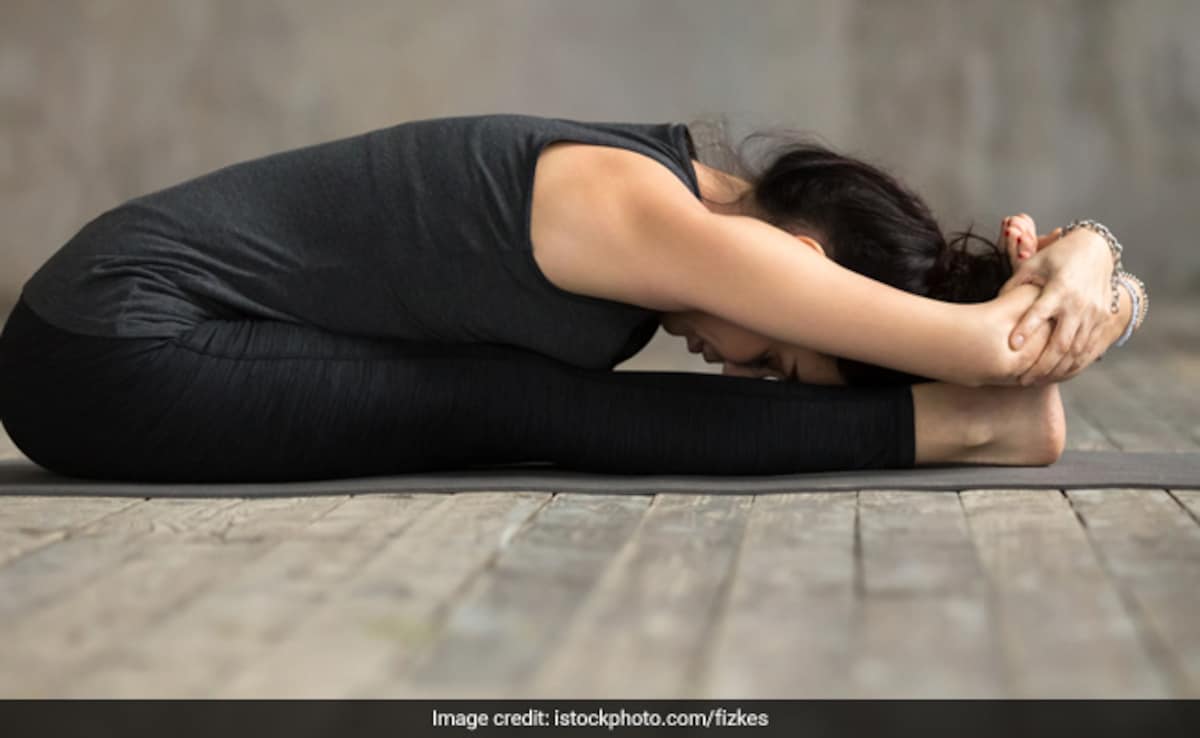
Photo Credit: iStock
3. Paschimottanasana (Seated Forward Bend)
Sit with your legs extended, inhale to lengthen the spine, then exhale folding forward to hold the feet for 30-60 seconds. This pose helps to activate the parasympathetic nervous system, relaxes the mind, and brings your blood pressure to normal levels by releasing toxins and improving digestion.
4. Ardha Matsyendrasana (Half Spinal Twist)
This asana involves sitting with your legs extended, bending one knee across the other leg, twisting the torso toward the bent knee, and holding it for 20-30 seconds each side. The twist helps to stimulate the heart, nervous system, and abdomen, thereby improving circulation while regulating blood pressure levels. It also opens the chest for improved breathing.
5. Savasana (Corpse Pose)
Lie flat on your back with arms and legs relaxed, palms facing up, and keep focus on steady breathing. This gives your body a complete rest, reducing hypertension. It is also a relaxation asana that improves sleep and allows the cardiovascular system to unwind.
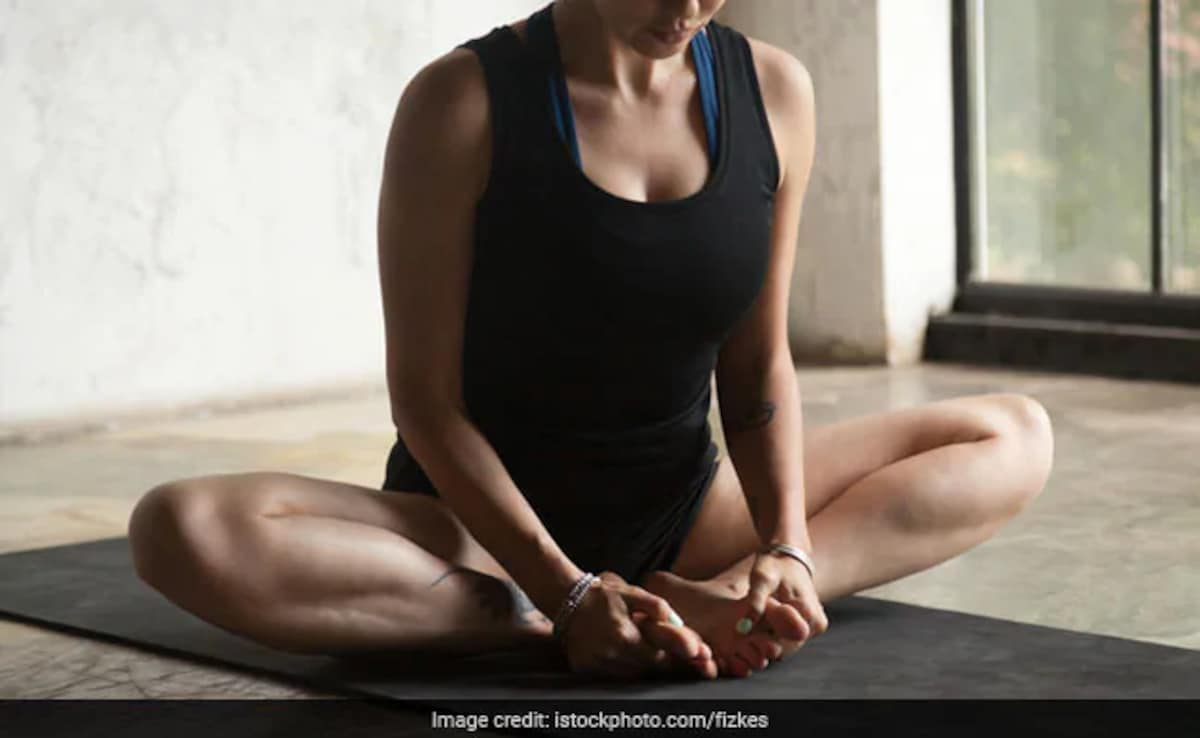
Photo Credit: iStock
6. Badhakonasana (Butterfly Pose)
For this asana, sit with the soles of your feet together, knees outward, holding feet, and gently flap knees like wings for 1-2 minutes. This pose stimulates the heart, boosts blood flow through the body, and reduces stress, which directly helps to control high blood pressure.
7. Setu Bandhasana (Bridge Pose)
This asana requires you to lie on your back and bend knees with feet hip-width. Then lift the hips while pressing feet down and hold this pose for 20-30 seconds. Setu Bandhanasa helps to calm the brain, activate the thyroid, and reduce anxiety or mild depression linked to hypertension. Lower your body slowly to avoid any strain or injury.
8. Viparita Karani (Legs Up the Wall)
For this pose, sit sideways against a wall, swing your legs up, and lie back with hips close to the wall for 5-10 minutes. Viparita Karani helps to relax the body, support blood pressure regulation, and ease circulation without any intense effort. You can use a bolster under the hips if needed for comfort.
When you practice these asanas regularly for 20-30 minutes daily, it helps to complement your medical treatment for hypertension. These can eventually help to manage your blood pressure and reduce the risks of heart attacks, stroke and cardiovascular diseases, among others.
Disclaimer: This content including advice provides generic information only. It is in no way a substitute for a qualified medical opinion. Always consult a specialist or your own doctor for more information. NDTV does not claim responsibility for this information.
Track Latest News Live on NDTV.com and get news updates from India and around the world

