-
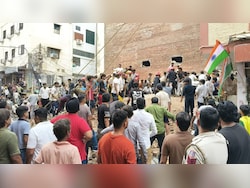
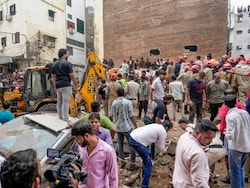
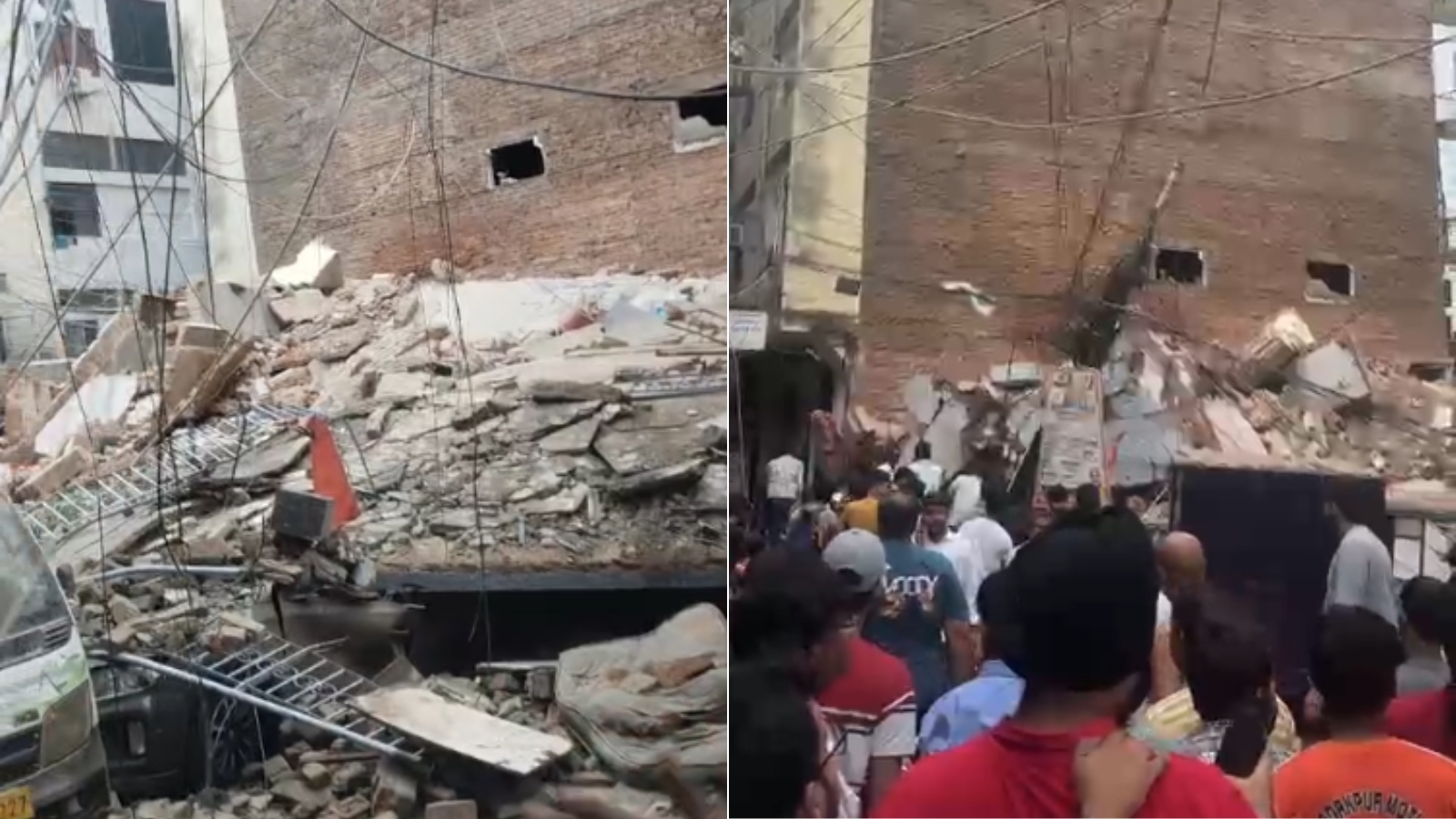
Delhi Building Collapse LIVE Updates: Delhi Chief Minister Rekha Gupta At Building Collapse Site
Delhi Building Collapse News LIVE Updates: Satya Niketan is a densely populated area that houses a large number of students, particularly those studying at colleges in Delhi University's South Campus. The locality has several hostels and student accommodations.
-

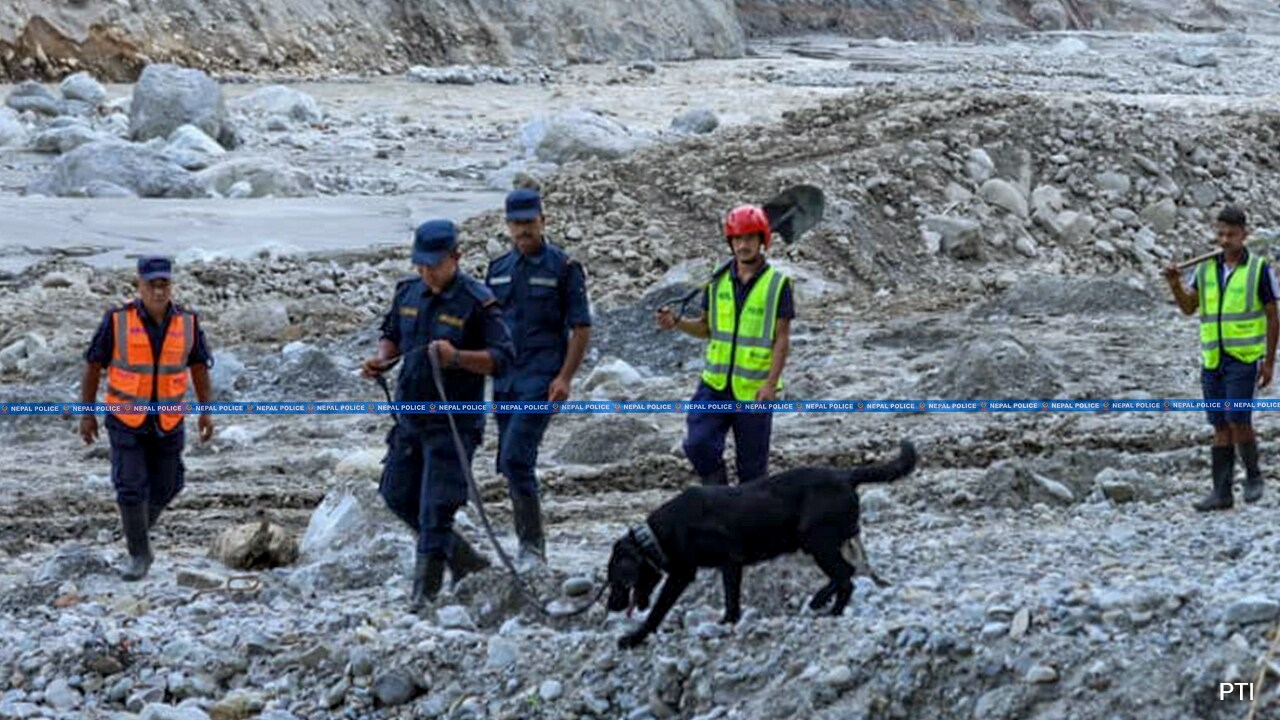
Massive Landslide In Sikkim Partially Blocks Teesta River Flow
With memories of the recent Nepal glacier collapse still fresh and the 2023 Teesta flash flood, even minor river blockages are quickly triggering panic and speculation on social media.
-
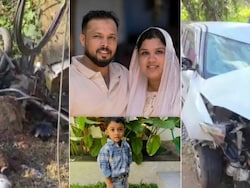
Family Stops Bike To Answer Call, Gets Run Over By Speeding Car In Keralam
The accident occurred on the Guruvayur-Kunnamkulam road in Thrissur district just before midnight on Saturday.
-
Popular Kalyan Bakery Sealed By Food Regulator Over Wood-Fired Furnace
The action follows an earlier directive from the Bombay High Court, which ordered bakeries across Maharashtra to stop using coal or wood-fired ovens and switch to cleaner options such as LPG, piped gas or electric ovens.
-
'Trapped Students Making Phone Calls': BJP MLA On Delhi Building Collapse
One person died in the incident, and two are in critical condition. Many are still feared to be trapped.
-
1 Dead, Several Feared Trapped After Six-Storey Building Collapses In Delhi
An eyewitness said at least 50 students were believed to be inside the building when the collapse occurred.
-
India Appears Smaller In World Map Than It Really Is. Here's Why
The UN has backed a move to replace the widely used Mercator map with the Equal Earth projection, which gives a more accurate picture of the size of continents and countries.
-
Gangster-Turned-Politician Gurpreet Singh Sekhon Joins AAP Ahead Of Punjab Polls
Political analysts believe that the AAP might field Sekhon as its candidate from the Zira assembly constituency.
-
'Don't Keep Biometric Data After Applying For Visa': VFS Global CEO To NDTV
Zubin Karkaria described the company as "made in India" and said its main objective was to improve efficiency and bridge the gap between the demand for visas and the capacity of governments to process applications.
-
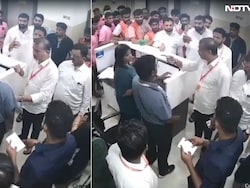
On Camera, Hospital Staff Assaulted By Shiv Sena Workers Over Bill Dispute
The dispute at the hospital was over the treatment costs of the Govindas injured during a 'Dahi Handi' event.
-
What An Ancient Tamil Way Of Life Can Teach Us About Living With Nature
In his book Tinai Philosophy: The Indigenous Lifeway for the Anthropocene, Prof Nirmal Selvamony explores Tinai as an ancient philosophy and way of life based on harmonious coexistence between humans and all other beings.
-
Man Declared Dead, Cremated, Then Found Alive In Punjab Jail After 15 Days
According to preliminary information, Ravi Kumar left home on August 5 and did not return. His father and brother said they searched for him on their own but could not find any trace of him.
-
Engine, 2 Coaches Of Delhi-Bound Mahananda Express Derail In Bihar
The incident caused widespread concern, and railway officials and staff immediately rushed to the spot and launched rescue, restoration and repair operations.
-
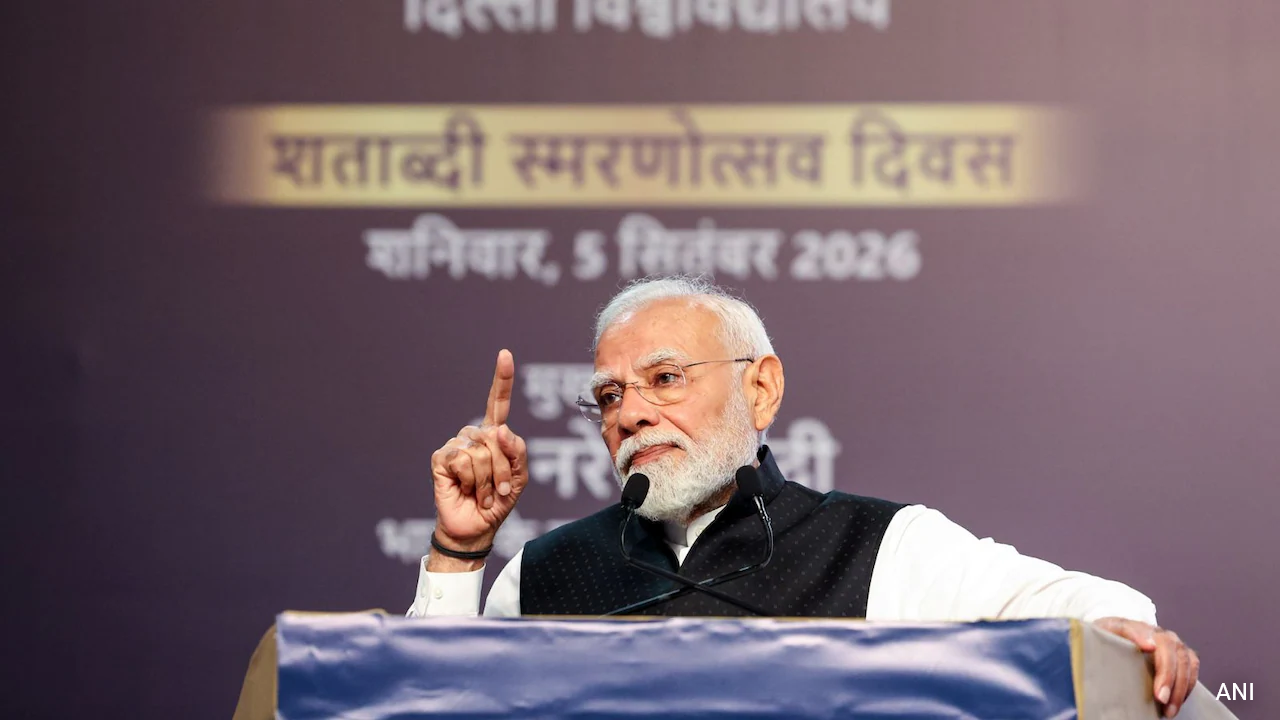
Amid Youth Pitch At Top Delhi College, PM Modi Targets "Dimagi Naxals"
Prime Minister Narendra Modi's address reached out to Gen-Z with a message about how to outline an aspirational vision for a developed nation
-
12 Die, Several Fall Ill After Drinking Poisonous Liquor In Madhya Pradesh
Madhya Pradesh Chief Minister Mohan Yadav ordered an inquiry into the toxic liquor deaths in Sagar and said the government would take the strictest possible action against those responsible.
-
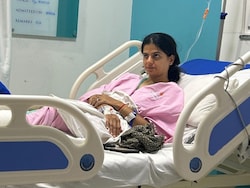
A Pothole, Crushed Ankle, And Rs 2 Lakh Hospital Bill: Bengaluru Road Horror
Aishani Khanna was riding her scooter when the accident occurred on the Whitefield-Varthur road near Nexus Mall.
-
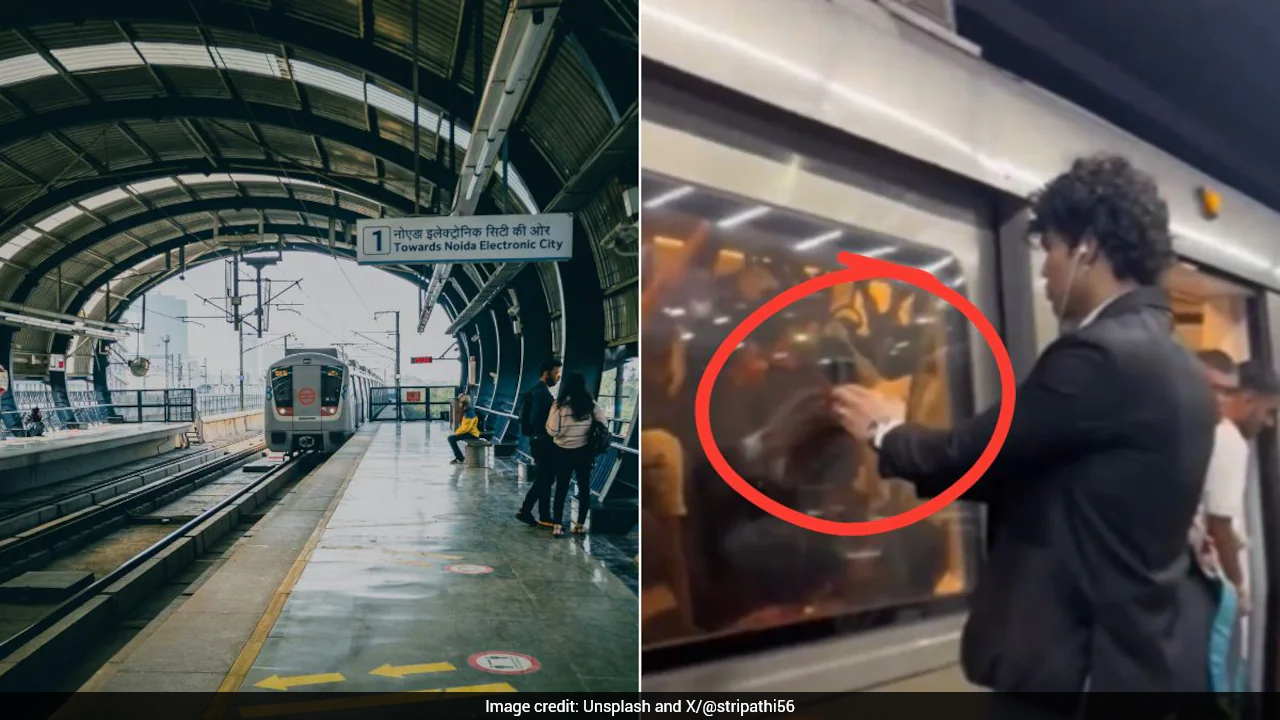
Delhi Metro Issues Warning To Influencers Over Dangerous 'Phone Sticking' Reel Trend
Viral videos feature the creator dancing or posing on the platform, then dramatically sprinting after the train as it pulls away.
-
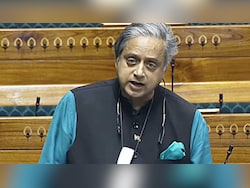
Shashi Tharoor Calls For Paid Maternity Leave To Improve Breastfeeding Rates
Shashi Tharoor pointed out that over 16 crore women operate in India's unorganised sector and go back to work within weeks after delivery to sustain economic stability
-
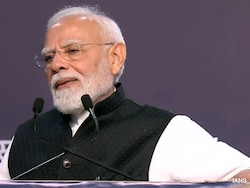
Analysis | 13 Years, One Glass: PM Modi's College Speech Reflects How India Has Evolved
What makes the 2026 return so effective as political storytelling is that PM Modi did not discard the glass metaphor. He let it mature.
-
Jharkhand Higher Education Minister Sudivya Kumar Sonu Dies Of Heart Attack
Sudivya Kumar Sonu, the legislator from Giridih, also held charge of the Tourism, Arts, Culture, Sports and Youth Affairs departments