Largest Valley in Asia: There are places on this planet that make you reconsider your sense of scale, and the Yangtze River Valley is absolutely one of them. The Yangtze River extends over 6,300 kilometres, carving a path from west to east through several of China's major geographical features, including the Qinghai-Xizang Plateau, the Hengduan Mountains, the Yunnan-Guizhou Plateau, the Sichuan Basin, and the middle and lower plains. It is, without question, the largest river valley in Asia, and one of the most consequential stretches of landscape anywhere in the world. For an Indian traveller who has grown up hearing about the Ganga or the Brahmaputra as ancient, living rivers, the Yangtze offers something both familiar in spirit and utterly unlike anything you have seen before.
What Exactly Makes It the Largest?
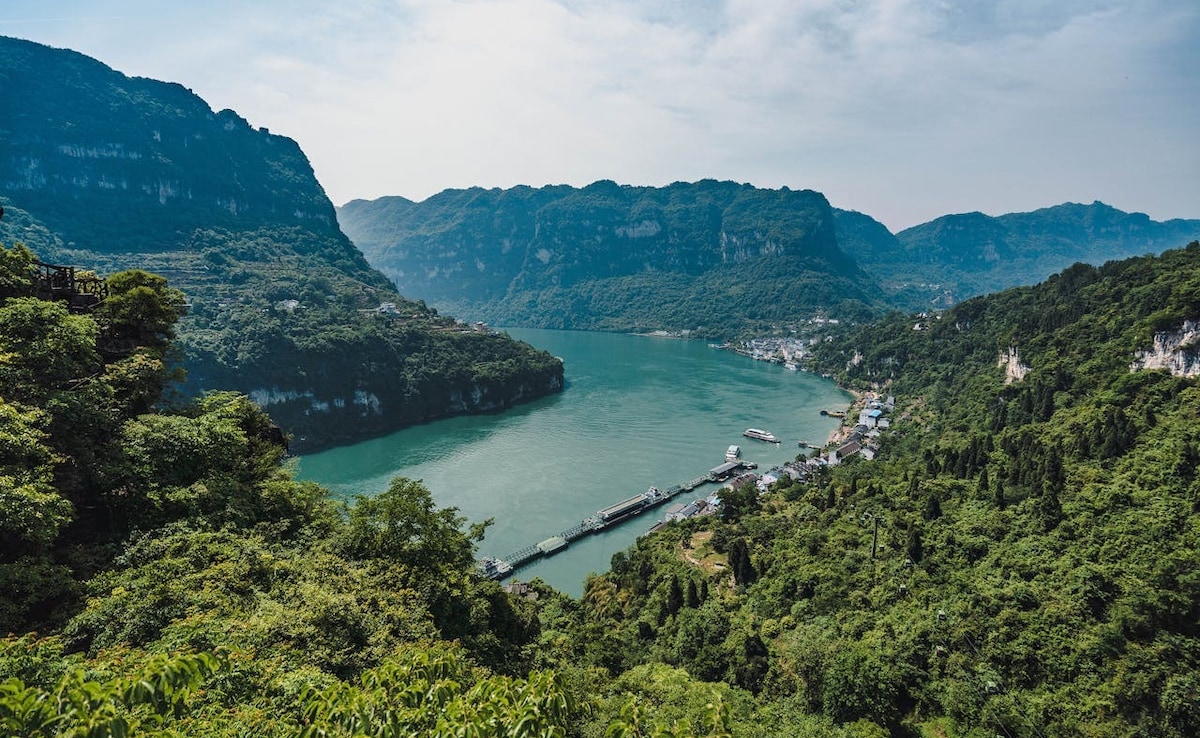
The Yangtze Valley, or Chang Jiang Valley, is the largest river valley in Asia and the world, spanning China entirely. It supports nearly one-third of China's population, about 400 million people, comparable to a third of India's population. As China's longest river and the world's third longest, it flows along the 30th parallel north, providing a crucial waterway across East Asia. The Yangtze's abundant water, warm climate, and easy navigation have supported irrigation and transport. Its basin includes numerous tributaries like the Minjiang and Hanjiang, and lakes such as Dongting and Poyang, shaping Chinese geography and culture for millennia.
Also Read: Which Is India's Only Floating National Park?
A Valley That Built a Civilisation
If you enjoy pondering how rivers shaped human history, the Yangtze Valley is endlessly fascinating, especially for Indians, given the significance of the Indus and Ganga to our civilisations. Archaeological evidence shows rice cultivation dating back 8,000 years, primarily in the Yangtze River Basin. The domestication of wild rice allowed early inhabitants to grow their population and establish agricultural settlements, marking the beginning of organised rice farming, which now feeds half the world. The Liangzhu Culture in this valley is notable for its plough-based rice cultivation, exquisite jade, pottery, lacquerware, script-like symbols, large-scale construction, and a pyramid-shaped social structure, highlighting the diverse origins of Chinese civilisation. During the Spring and Autumn and Warring States periods, iron farming tools and ox-drawn ploughs improved water resource utilisation and climate adaptation, leading to the Ba-Shu, Jing-Chu, and Wu-Yue cultural regions. The Yangtze Valley is where much of Chinese civilisation was written and continues to thrive.
The Three Gorges: The Valley's Most Iconic Stretch
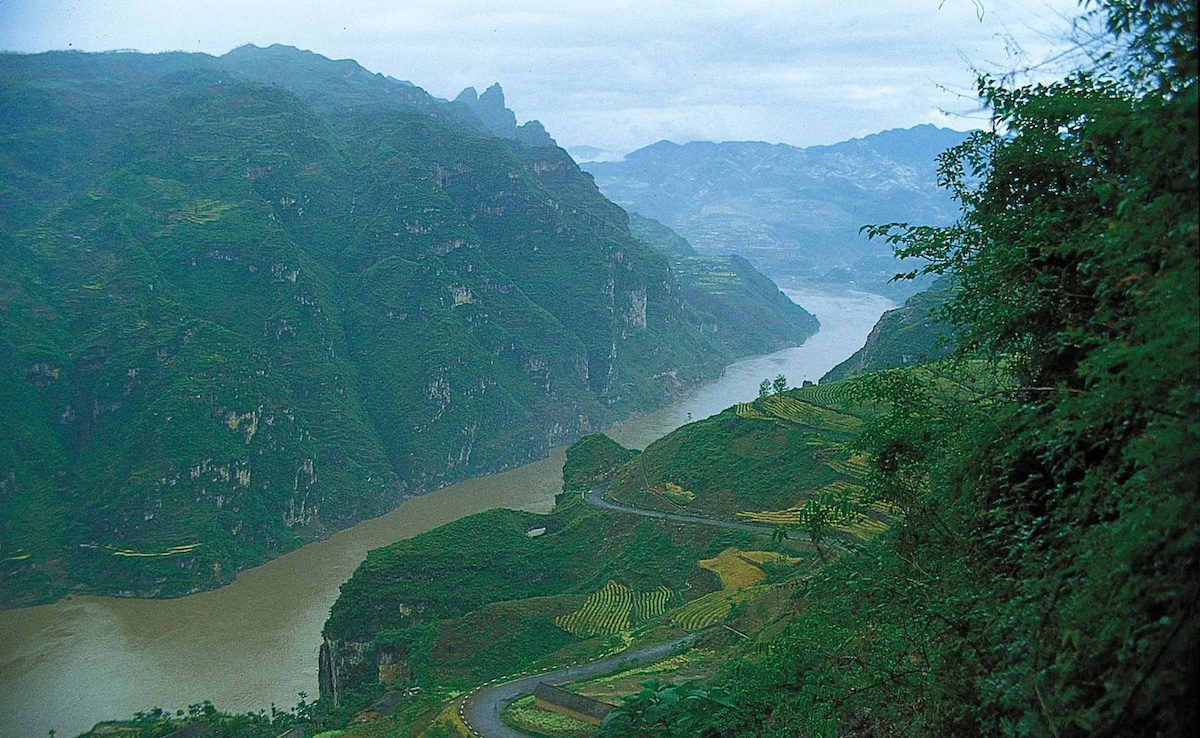
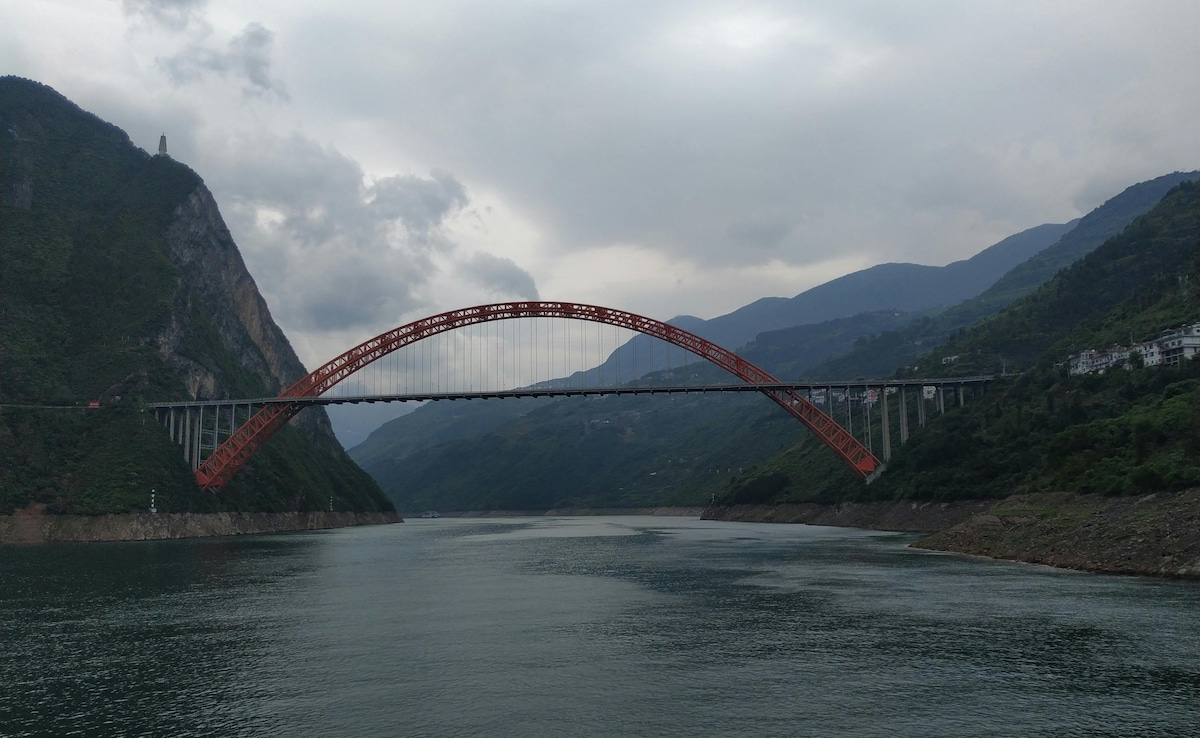
The Three Gorges, a 192-kilometre stretch of the Yangtze River, is a must-see for travellers. It features Qutang Gorge, Wu Gorge, and Xiling Gorge, each with unique characteristics. Qutang Gorge, the shortest, offers dramatic vertical cliffs creating a natural corridor. Wu Gorge, the longest, is famous for its misty 12 peaks, inspiring Chinese artists for centuries. Xiling Gorge holds historical significance as the site of the Three Gorges Dam, the world's largest hydroelectric power station, completed in 2006. This engineering marvel spans nearly 2.3 kilometres and rises 185 metres, controlling floods and generating electricity, though it has submerged ancient towns. Visiting the dam highlights China's ambition and trade-offs. The best way to experience the Three Gorges is by river cruise, offering breathtaking views of changing landscapes, misty peaks, and quaint fishing villages, making it an unforgettable travel experience in Asia.
The Jinsha River Valley: The Wild Upper Reaches
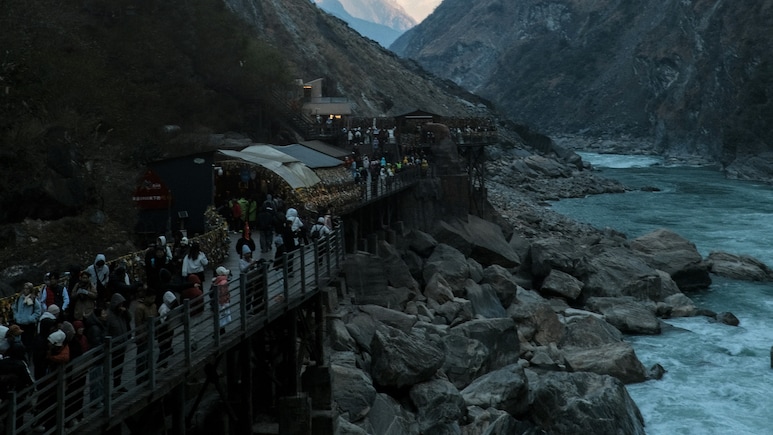
The upper Yangtze, before it becomes the broad, cruiseable river of the Three Gorges, is known as the Jinsha River. This is where the valley is at its most wild and dramatic. The Jinsha River valley offers trekking through some of China's most remote and spectacular terrain, following the river as it cuts through the deep gorges of Yunnan province. This is the part of the Yangtze Valley that feels genuinely untouched, with steep canyon walls, ancient villages, and landscapes that look like they have not changed in centuries.
Tiger Leaping Gorge, one of the deepest river gorges in the world, is part of this upper stretch. The Jinsha River here drops dramatically through a canyon where the cliffs on either side rise over 3,000 metres. It is extraordinary terrain, and the two-day trek along the high route of Tiger Leaping Gorge is one of the most rewarding walks in China, accessible enough for a reasonably fit traveller, remote enough to feel like a genuine adventure.
Wildlife and Natural Diversity
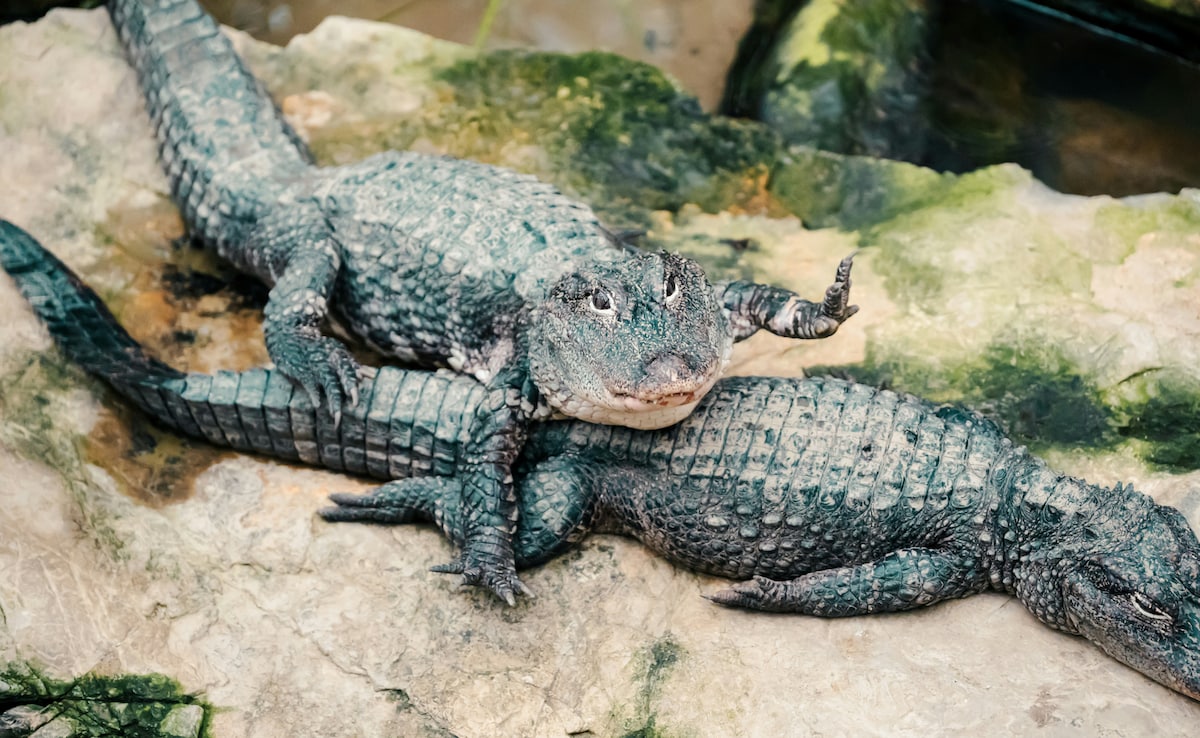
The Yangtze Valley is not just geographically significant; it is one of the world's most biodiverse river systems. The basin supports an extraordinary range of wildlife, including the giant panda in the upper reaches, the Chinese river dolphin (now critically endangered), the Yangtze finless porpoise, and the Chinese alligator. The river also supports an enormous fishery that has fed Chinese communities for millennia, though overfishing and dam construction have significantly reduced fish populations in recent decades.
The Shennongjia Forest District, part of the Yangtze Basin in Hubei province, is a UNESCO World Heritage Site and one of the most biodiverse forested areas in China. It is a place of remarkable ecological richness and worth including in any serious trip through the valley.
Also Read: Why Borneo Should Be Your Next Wildlife Destination
Your Complete Travel Guide to the Yangtze Valley
When to Go
The best time to visit the Yangtze Valley is between March and May, or September and November. Spring brings lush greenery and mild temperatures, while autumn offers clear skies and the most dramatic visibility for the gorge scenery. Summer (June to August) is hot and humid, and also the rainy season in much of the basin. Winter is cold but quieter, and the gorges in mist can be hauntingly beautiful.
Getting There from India
The most practical entry points are Chongqing or Yichang, both of which serve as the main embarkation and disembarkation ports for Yangtze cruises. Direct flights from Delhi to Chongqing are available, though many routes connect via cities like Kunming, Guangzhou, or Shanghai. From Mumbai, connections through Hong Kong or Shanghai are common. Once in China, the high-speed rail network connects all the major cities along the valley efficiently and affordably.
Visa
Indian passport holders require a Chinese visa. The standard tourist visa (L category) needs to be applied for in advance through the Chinese Embassy or one of its consulates in India. Processing typically takes 4 to 7 working days. As of 2025, China has been expanding its visa-free policies for several countries, so it is worth checking the current status before you apply.
The River Cruise
A Yangtze River cruise between Chongqing and Yichang (or the reverse) typically takes 3 to 4 days and covers the Three Gorges. Cruises range from budget options to genuinely luxurious vessels with multiple decks, fine dining, and guided shore excursions to ancient temples, cliff-side coffins, and the dam viewpoints. For a first-time visitor, a mid-range cruise that includes guided stops is the best balance of experience and value.
Chongqing
If you are beginning your Yangtze journey from Chongqing, give yourself at least two days in the city before boarding your cruise. Chongqing is one of China's most fascinating urban experiences, a mountain city of over 30 million people, built on steep hillsides at the confluence of the Yangtze and Jialing rivers. The old Ciqikou neighbourhood, the spicy Sichuan-style hotpot restaurants, and the extraordinary night views from the hilltops are all worth your time.
Getting Around
Within the valley, high-speed trains connect Chongqing, Wuhan, Nanjing, and Shanghai with great efficiency. For the upper reaches and Tiger Leaping Gorge, the base town is Lijiang in Yunnan, which is easily reached by flight from Chengdu, Kunming, or Shanghai.
What to Pack
Comfortable walking shoes are essential; the shore excursions on a Yangtze cruise involve significant walking and uneven terrain. A light waterproof layer is useful year-round, given the valley's tendency toward mist and rain. A camera goes without saying.
Also Read: Why Landour, Near Mussoorie, Is The Ideal Destination For A Peaceful Getaway
The Valley That Keeps Giving
The Yangtze River Valley is a place that rewards curiosity. Whether you are the kind of traveller who wants to sit on a cruise deck and watch the Three Gorges unfold in front of you, or the kind who wants to trek the Jinsha River's wild upper canyon, or the kind who simply wants to stand somewhere ancient and feel the weight of thousands of years of human history, the valley has something for you. The Yangtze River, a mother river that has nourished ancient civilisation and nurtured generations of people, carries within it a thousand-year legacy that continues to thrive. For an Indian traveller used to the idea of rivers as sacred, living things, there is something deeply familiar about that. The Yangtze just happens to be the largest version of that story that Asia has ever produced.
Track Latest News Live on NDTV.com and get news updates from India and around the world


