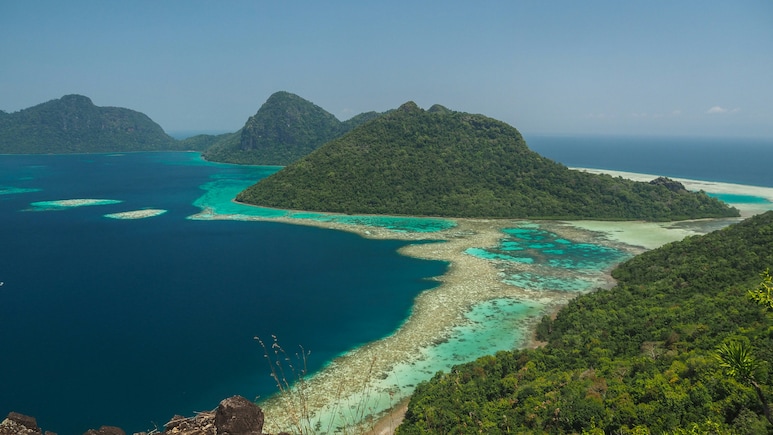
When most Indians think of a wildlife holiday, they picture a Rajasthan tiger reserve, or maybe a once-in-a-lifetime trip to an African safari. Borneo rarely comes up. Which is, honestly, a little baffling, because Borneo is one of the most extraordinary places on Earth, home to wild orangutans, Bornean pygmy elephants, clouded leopards, and proboscis monkeys, all living in a rainforest that is older than the Amazon and covers the third largest island in the world. It is close enough to India to make flight connections easy, it is significantly more affordable than an African safari, and it offers wildlife encounters that are as raw and unhurried as anything you will find anywhere on the planet. The fact that it is not already on every Indian traveller's shortlist is one of travel's more puzzling oversights. Here is everything you need to know to fix that.
Also Read: 5 Budget-Friendly Alternatives To Famous Indian Tourist Spots
What Makes Borneo Genuinely Different
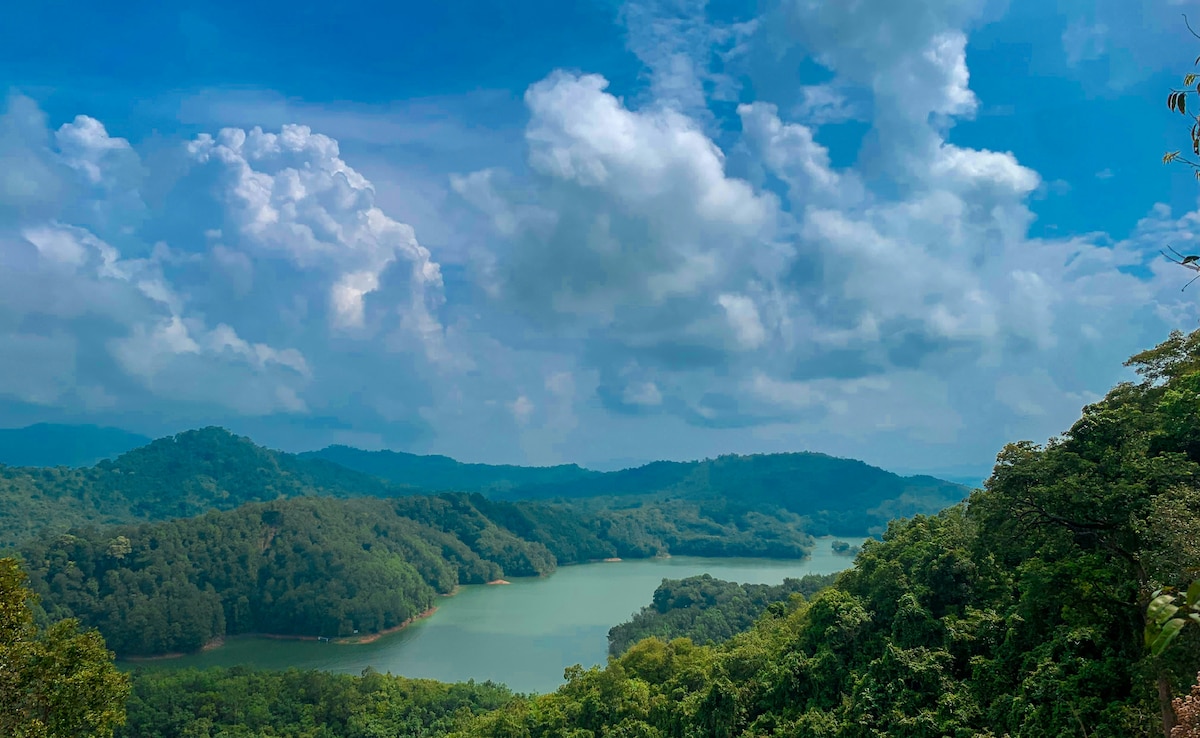
Borneo truly earns its title as a ‘wildlife destination.' Shared by Malaysia, Brunei, and Indonesia, the island is largely covered in lowland tropical rainforest, some of the oldest on Earth, predating much of the Amazon. This ancient environment has fostered staggering biodiversity. Borneo is one of only two places to see wild orangutans in their natural habitat and hosts over 15,000 plant species, more than 220 mammals, and around 420 birds. It features the world's largest flower, Rafflesia arnoldii, and unique carnivorous pitcher plants. The species here evolved naturally, not imported for display.
Currently, Borneo's conservation efforts are particularly compelling. Indigenous communities like the Kadazan-Dusun and Dayak are leading eco-tourism initiatives that channel revenue back to local villages and support reforestation. Forests logged within living memory are regenerating. Visitors are not mere tourists; they contribute to an active funding model.
“In Borneo, wildlife doesn't perform for you. Orangutans move through the canopy on their own schedule. Pygmy elephants walk out of the treeline because the river is where they drink. You adjust to the forest, not the other way around.”
The Wildlife: Who You Will Meet in the Jungle
Orangutans
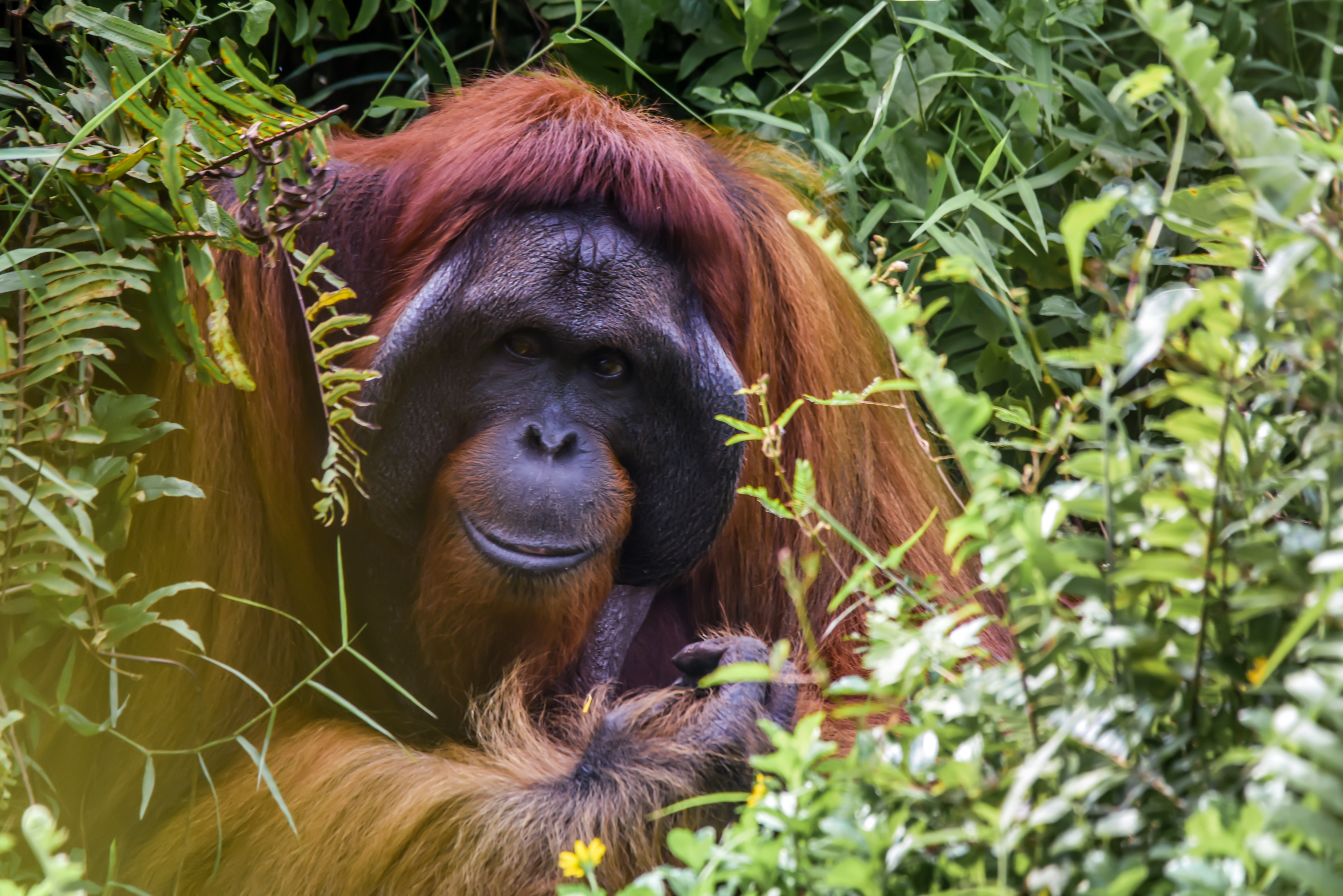
No documentary truly prepares you for witnessing an orangutan in its natural habitat. These largest tree-dwelling mammals share about 97% of our DNA, and observing one move through the Bornean rainforest canopy with such confidence is transformative. The Kinabatangan River corridor in Sabah offers the best wild orangutan sightings, with a high density of orangutans. Morning and late afternoon boat trips are most reliable, especially from March to October when conditions are drier. For a structured experience, the Sepilok Orangutan Rehabilitation Centre near Sandakan helps orphaned and injured orangutans return to forest life. Feeding times occur twice daily, and watching young orangutans learn the forest is genuinely moving. It feels nothing like a zoo.
Bornean Pygmy Elephants
These are the smallest elephants in Asia, rounder, gentler in appearance than their Indian and African relatives, with notably larger ears and tails that are almost comically long relative to their bodies. They are found only in Sabah and northeastern Kalimantan, making Borneo the only place on Earth where you can see them. The Lower Kinabatangan Floodplain is where sightings happen most often, particularly at dusk when herds come to the riverbank to drink. A boat drifting quietly along the river as a family of pygmy elephants makes its way out of the treeline and into the water is the kind of evening that stays with you.
Proboscis Monkeys
If you have not seen one before, the proboscis monkey is a genuine surprise. The males have large, bulbous noses that apparently serve as resonating chambers for their calls, and they move through the riverside trees in loose, chaotic groups that are both loud and entertaining to watch. They are endemic to Borneo, found nowhere else in the world, and the riverbanks of the Kinabatangan and the mangrove forests of Labuk Bay are the best places to spot them. The Labuk Bay Proboscis Monkey Sanctuary near Sandakan offers structured viewing platforms if you want a guaranteed close look, though wild sightings on the river are considerably more satisfying.
Clouded Leopards, Hornbills, and the Rest
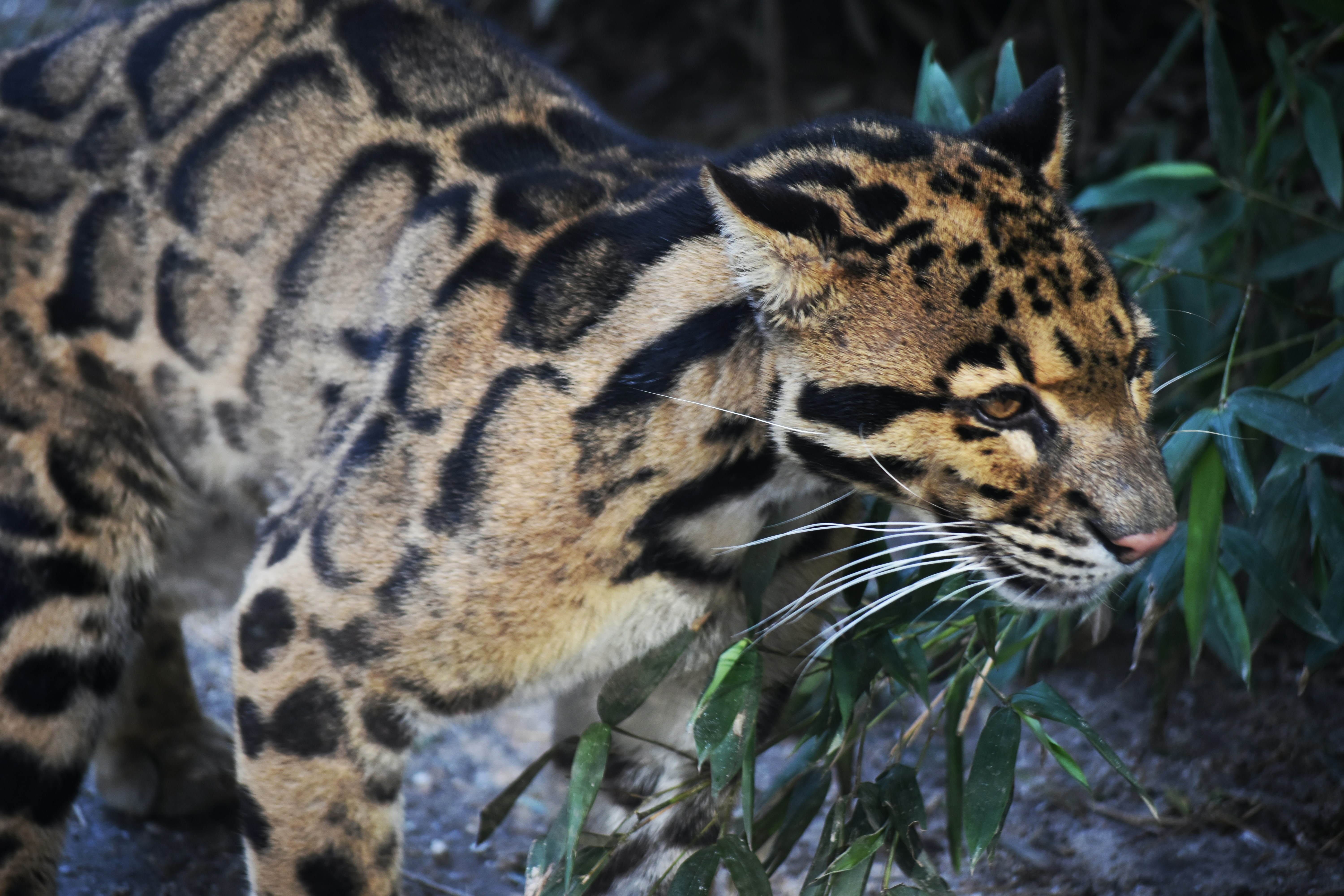
Danum Valley, the old-growth lowland rainforest about three hours from Lahad Datu in Sabah, is where the island gets really serious about biodiversity. This is one of the last large tracts of primary rainforest remaining in Borneo, never logged, never cleared, and the difference is immediately apparent when you step into it. Bornean gibbons call across the canopy at dawn, clouded leopards move through the understorey at night (night drives with spotlights are genuinely exciting), and the birdlife is extraordinary. Hornbills cross the sky in pairs, Bornean bristleheads move through the middle canopy, and the endemic Bornean green magpie is one of those sightings that will mean a great deal to anyone who keeps a life list.
Beyond the Jungle: Other Reasons to Go
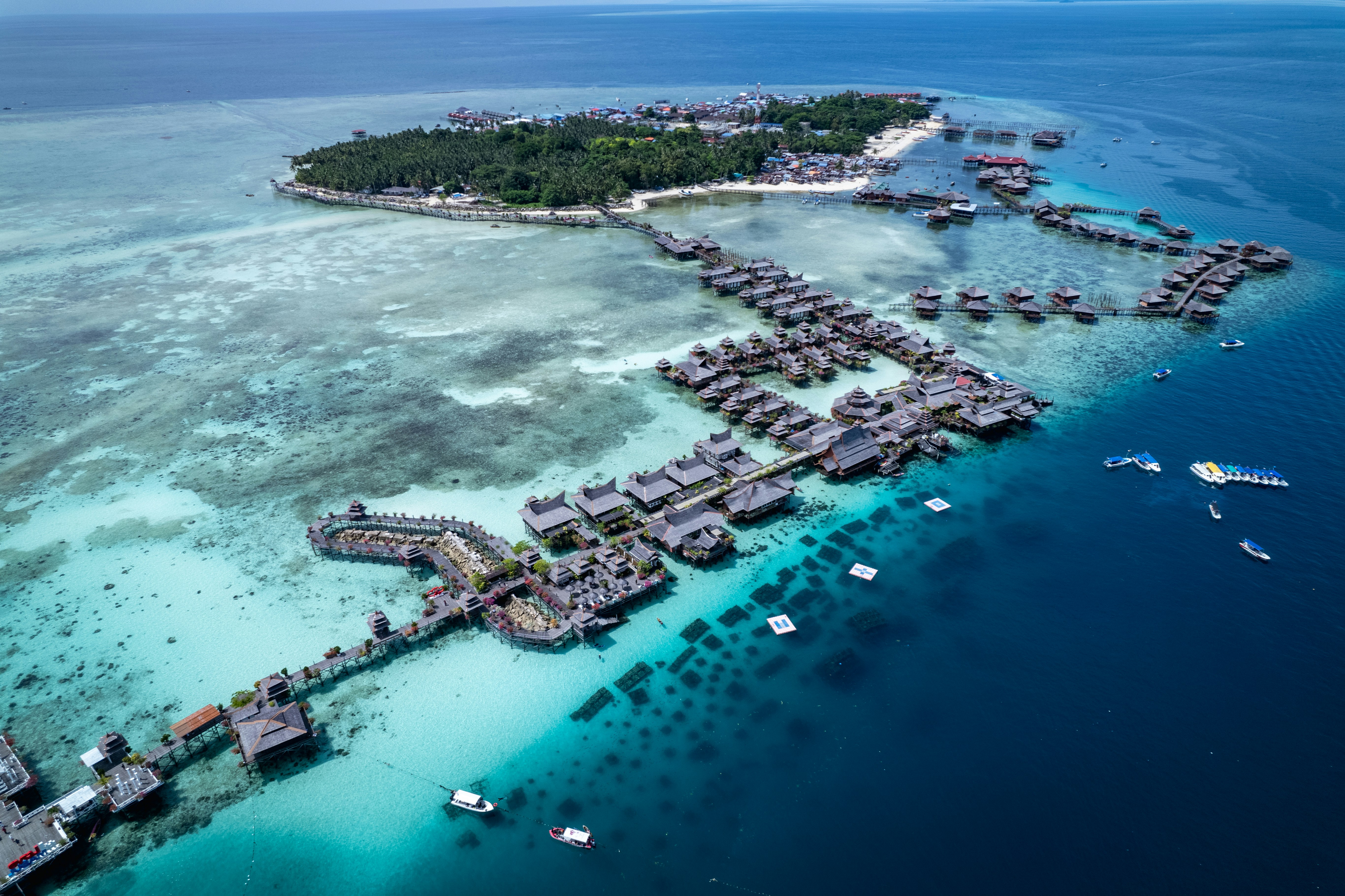
Borneo offers more than just rainforests. Mount Kinabalu, the highest peak in Southeast Asia at 4,095 metres, is located in Sabah and is accessible to anyone with reasonable fitness. The climb starts in the dark to reach the summit by sunrise, offering breathtaking views of clouds and forests. Permits must be booked in advance. Sipadan Island, off Sabah's east coast, is renowned for its world-class diving and snorkelling, featuring wall dives with turtles, hammerhead sharks, and vibrant reef fish. Daily dive permits are limited, so early planning is crucial. If Sipadan permits are unavailable, Mabul Island offers excellent muck diving. Kuching, Sarawak's capital, is a charming city with great food, a lively waterfront, and easy access to Bako National Park, Malaysia's oldest. This compact park is rich in wildlife, including proboscis monkeys and bearded pigs. A day trip to Bako is one of Southeast Asia's best wildlife experiences.
Also Read: The City That Does Not See The Sun For 4 Months
Travel Guide: Getting to Borneo from India
Getting There
For Indian travellers, the main entry point to Malaysian Borneo is Kota Kinabalu (KK) in Sabah or Kuching in Sarawak, both served by international airports. The most common route from India involves a connection through Kuala Lumpur, where AirAsia and Malaysia Airlines operate multiple daily flights from Delhi, Mumbai, Chennai, Bengaluru, Hyderabad, and Kolkata. The total journey time from Delhi to Kota Kinabalu, including the connection, is typically between 8 and 11 hours. Return flights from India to Kota Kinabalu via Kuala Lumpur start from approximately Rs 25,000 to Rs 45,000 depending on the season and how far in advance you book. AirAsia regularly runs promotional fares that can bring this down significantly.
Visa
Indian citizens require a visa to enter Malaysia. The good news is that the Malaysia e-Visa (eNTRI or eVISA) is straightforward to apply for online through the official Malaysia Visa website, and processing typically takes 3 to 5 working days. The standard tourist visa allows a 30-day stay. The fee is approximately USD 25 to USD 40 depending on visa type. As of 2024, Indian citizens visiting Malaysia for tourism could enter without a prior visa for up to 30 days under a special arrangement — check the latest status on the official Malaysia Immigration Department website before you apply, as this policy has been subject to revision.
When to Go
The best time to visit Borneo for wildlife is from March to October, when the northeast monsoon has passed and the drier conditions make wildlife more active and trails more accessible. July to September is peak season on the Kinabatangan, when lower river levels concentrate the animals along the banks and sightings are at their most reliable. November to February is the wetter season — the forest is still extraordinary, but river levels rise, some trails become difficult, and the chance of extended rain increases. It is not unpleasant, and prices are lower, but it requires flexibility.
Where to Base Yourself
Kota Kinabalu is ideal for first-time visitors, offering excellent connectivity, diverse accommodation, superb seafood, and easy access to Kinabalu Park. From KK, travel to Sandakan, the gateway to Kinabatangan, Sepilok, and Labuk Bay, then proceed by road or boat into the river corridor. For the Kinabatangan experience, stay at river lodges like Sukau Rainforest Lodge, known for its conservation efforts and knowledgeable guides, or Borneo Nature Lodge. Budget options exist in Sukau village. Danum Valley features Borneo Rainforest Lodge, offering exclusive accommodation within the conservation area, though no budget alternatives are available.
How Long to Spend
A week is the minimum that makes the journey worthwhile. A practical seven-day structure might look like this: two days in Kota Kinabalu and Kinabalu Park, a day at Sepilok and the Labuk Bay Sanctuary near Sandakan, three nights at a Kinabatangan river lodge, and a final night back in Kota Kinabalu before your flight home. If you can extend to ten days, adding two nights in Danum Valley makes for a significantly richer experience. Mount Kinabalu requires at least two days (one for acclimatisation and the pre-climb briefing, one for the summit attempt), and should be booked months in advance during peak season.
Also Read: Chandigarh To Jamshedpur, 6 Well-Planned Cities In India You Must Visit
A Note on Responsible Tourism
Borneo's wildlife is under genuine pressure. The palm oil industry has cleared enormous areas of rainforest in both Malaysian and Indonesian Borneo, and habitat loss remains the single biggest threat to orangutans, pygmy elephants, and dozens of other endemic species. When you choose where to stay and which tours to book, it matters. Prioritise lodges that are certified by the Malaysian Responsible Tourism Certification Programme or that can demonstrate tangible contributions to conservation and local communities. Avoid any operator that offers direct contact with orangutans or other wild primates, legitimate rehabilitation and wildlife centres maintain strict no-contact protocols for good scientific reasons. Choose guides from local communities. The better operators make this easy, the revenue model is transparent, the guides are indigenous, and the conservation contribution is built into the price.
Why Borneo, and Why Now
There are not many places left in the world where you can sit in a small boat on a jungle river at dawn, watching a wild orangutan move through the upper canopy while a proboscis monkey watches you from a branch ten feet above the water and a pair of hornbills cut across the sky overhead. Borneo is one of them. It is close enough to India to be genuinely accessible, affordable enough to not require the budget of an African expedition, and extraordinary enough that it will rearrange the way you think about wildlife, forests, and what the natural world is actually capable of when it is left largely to itself. The rest of the world is going to notice Borneo soon. Indian travellers who go now will be glad they got there first.
Track Latest News Live on NDTV.com and get news updates from India and around the world


