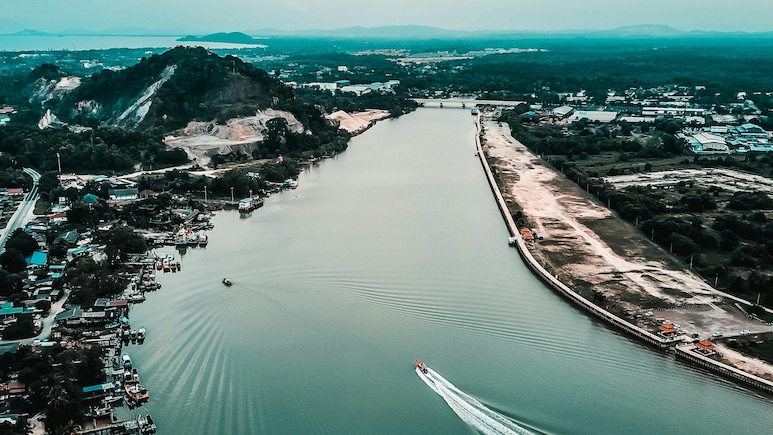
Most Indian travellers who visit Malaysia stick to the predictable route: Kuala Lumpur, Penang, maybe Langkawi. But there is a part of Malaysia that sits on the island of Borneo, deep in the state of Sarawak, where a river runs for 560 kilometres through ancient rainforests and indigenous longhouses, and where entire communities have lived on its banks for centuries. The Rajang River is not just Malaysia's longest waterway. It is its heartbeat, its highway, its history, and one of the most rewarding and underrated travel experiences available to anyone willing to venture slightly off the well-trodden path.
Also Read: Which Pink Beach Should You Visit In Indonesia? Pantai Merah vs Long Beach Padar
What Makes the Rajang So Significant?

The Rajang River is a river in Sarawak, northwestern Borneo, Malaysia. It originates in the Iran Mountains, flows through Kapit, and then towards the South China Sea. At approximately 565 km long, it is the seventh-longest river in Borneo and the longest in Malaysia.
That distinction alone makes it worth knowing about. But the numbers are only the beginning. In a region almost totally dependent on riverine transport, the Rajang is navigable for 80 miles to Sibu by ocean-going vessels, and for another 100 miles by shallow-draft craft. At the same time, small canoes can penetrate even further into the otherwise inaccessible Iban interior.
Think about what that means in practice. For vast stretches of Sarawak, there are no roads. The river is not a scenic backdrop; it is the only way in and out. The rivers of this region provide a multitude of services: natural resources, gene pools and habitats for flora and fauna, support for fisheries, and much more. Communities fish from it, drink from it, trade along it, and navigate their entire lives around it. The Rajang is, in every practical sense, the lifeline of Malaysian Borneo.
A River With Serious Historical Weight

The Rajang did not become important recently. Its history stretches back centuries, bound up with the rise and fall of kingdoms, colonial-era trade, and the tribal cultures that still exist along its banks today.
In the late 19th century, the government of Charles Brooke began constructing forts along the Rajang in an attempt to achieve political stability in the basin. The Chinese then began moving inland and settling near the forts, trading various forest products with the natives. In 1884, Fort Vyner was constructed, and Belaga soon became the political and economic centre of the district, with government offices, schools, a bank, a police station, a mosque, and churches built around it.
During the Brooke era, the sago processing industry was an important economic activity among the Melanaus and provided significant revenue for the Sarawak government. The Ibans in the Rajang basin exchanged jungle produce with Chinese and Malay businessmen for salt, beads, metal, porcelain utensils, and coins.
Old forts stand along the way today as silent sentinels of a bygone era, hinting at the region's rich colonial and tribal history. The Rajang has seen it all, and its banks carry that history quietly but unmistakably.
Sibu: The Gateway to Everything

Just a six-hour drive or a five-hour ferry northeast of Kuching brings you to Sibu, the gateway to the Rajang river basin, with its many small riverine towns and an area that is both culturally distinct and far less visited.
Set 60 km inland from the South China Sea on a bend of the Rajang River, Sibu was settled by James Brooke in 1862. Not long after, large numbers of Chinese migrants were invited from Fuzhou to develop farmland. Sibu is known as the Swan City because it reminded these early settlers of the Swan River in Fuzhou. The city has grown on trade along the busy working river and is home to significant Malay and Iban populations.
Sibu is home to the tallest building in Sarawak and the largest indoor market in all of Malaysia. The seven-storey Guanyin Pagoda is worth a visit, and from the top, you get lovely waterfront views. There is also an esplanade walkway next to the muddy river that offers views of fishing boats and timber barges going about their trade.
If you arrive in Sibu before heading into the interior, it is absolutely worth spending some time here, if only to taste some of the best street food in Sarawak at the night market. The seafood is predictably excellent due to the proximity to the coast, often barbecued alongside pork and chicken. Satay is a local speciality, and you will also find cakes, dumplings, and pancakes.
Also Read: Why China's 'Heavenly Pit', World's Deepest Sinkhole, Should Be On Your 2026 Travel Bucket List
The Longhouses: The Soul of the Rajang
:max_bytes(150000):strip_icc()/iban-longhouse-borneo-5af9c6c3642dca0037130dc5.jpg?im=FaceCrop,algorithm=dnn,width=1200,height=738 "Latest and Breaking News on NDTV")
If there is one experience that defines a trip to the Rajang basin, it is stepping inside an Iban longhouse. In Sarawak, the Iban tribal people measure their longhouses by the number of doors. The single-storey structures, some dating back to the 18th century and usually standing on stilts, serve as shared living quarters for multiple families and also as communal spaces. Each family has its own door for entry, and some longhouses can have 30 or more doors. Another family arrives in the community? No problem, just add an extension and another doorway.
A highlight for many visiting the Rajang delta is being invited ashore to a rural village or an isolated longhouse. Yacht crews and travellers have made life-long friendships with people they first met at a longhouse on the Rajang. It is a kind of travel experience that is very hard to replicate on a commercial tour.
The Ulu Sarikei longhouse, an 85 km drive from Sibu, is more accessible than those that require a river transfer and offers an engaging experience staying on a rural farm that is significantly different from what you will find at the more well-known longhouses further west.
What You Will See Along the River
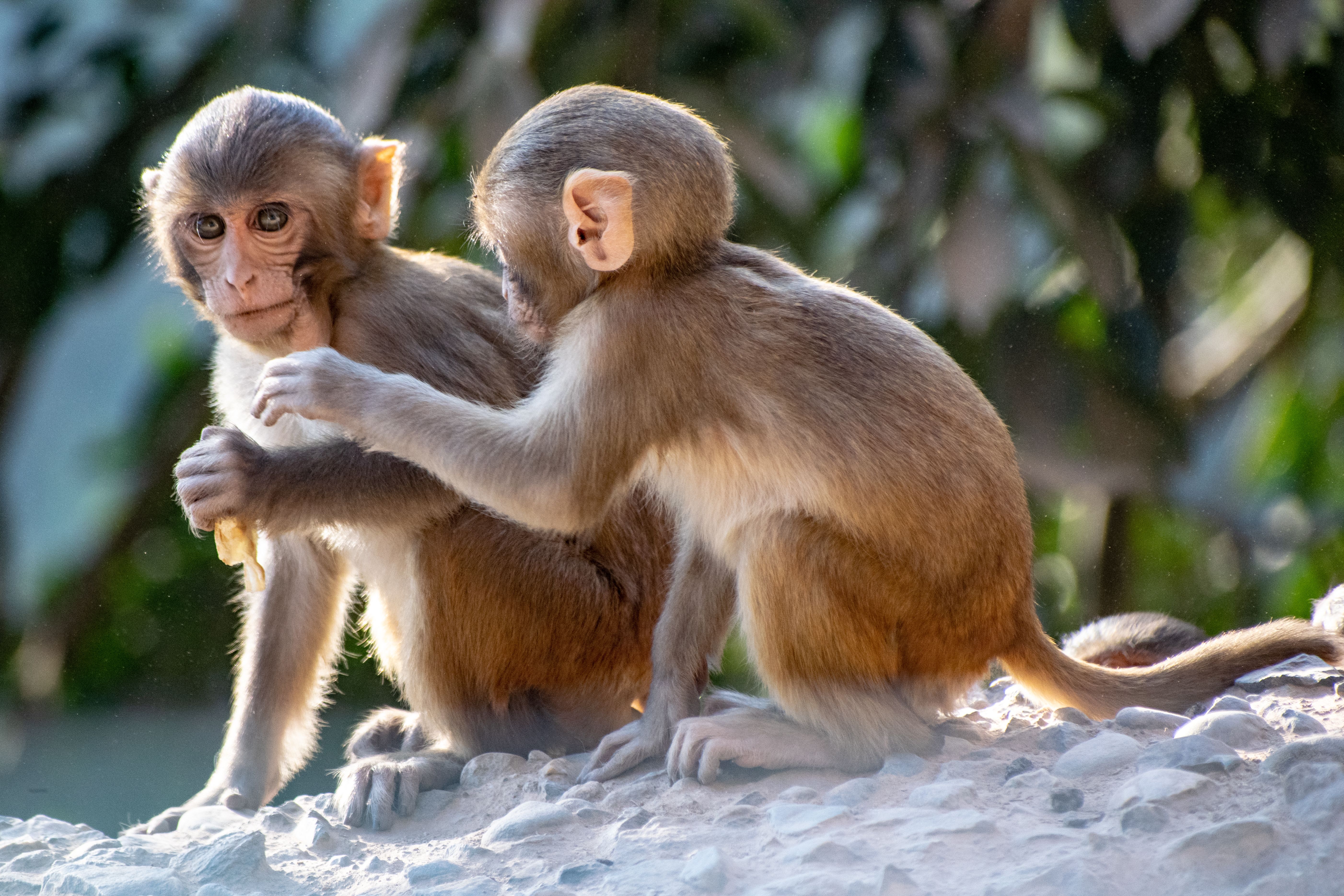
The Rajang's biodiversity is genuinely staggering. Macaque monkeys are common amidst the nipah palm, otters abound, and the fortunate might catch a glimpse of a python sunning itself on the mud. Eagles, egrets, herons, and kingfishers are constant companions for those travelling on the river.
Thirty species of mammals have been recorded along the Rajang basin. At the river mouth, dolphins can be sighted. Totally protected mammals include gibbons, langurs, black giant squirrels, slow lorises, and tarsiers.
The aquatic flora and fauna in this mighty river are among the most diverse in Malaysia. Every visit to the river basin reveals beautiful fish and aquatic plants in places not previously explored. For nature lovers, whether you are into birding, wildlife, or simply watching the jungle slide past from the deck of a slow boat, the Rajang delivers consistently.
Going Upriver: Kapit, Belaga, and Beyond

The further upriver you go, the more the world changes. The river and its tributaries serve as the main access route to the vast Sarawak hinterland, which is dotted by small frontier towns and longhouses inhabited by the state's many tribes. Travelling by boat up the Rajang River is one of Sarawak's main attractions and one of the best ways to get a taste of the state's interesting interior. Regular express boats leave Sibu upriver to Kapit, stopping in towns like Song and Kanowit along the way. The journey takes between two and a half and three and a half hours, depending on the number of stops.
From Kapit, one express boat leaves at around 9 AM for Belaga, passing through the Pelagus Rapids, and the journey may take up to four hours. To go further upriver beyond Belaga, to the Bakun area, travellers may have to hire their own boats.
Tanjung Manis, a modern port and industrial park located at the mouth of the Rajang River, represents Sarawak's ambition for economic diversification and stands in stark contrast to the traditional life found upriver. The Rajang Songket Centre nearby is an impressive display of local Malay craftsmanship, where high-end songket cloth is produced using a hidden-thread technique, allowing the finished fabric to be worn on both sides.
Your Complete Travel Guide to the Rajang
Getting There From India
The closest international airport to the Rajang region is Kuching, the capital of Sarawak. Indian travellers typically fly to Kuala Lumpur first, then take a domestic connection to Kuching on Malaysia Airlines or AirAsia. Flights from Mumbai and Delhi to Kuala Lumpur are plentiful, and the entire journey from India to Kuching can be done in under eight to ten hours with a reasonable layover.
Getting to Sibu From Kuching
Sibu is six hours from Kuching by road or five hours by ferry. The ferry is the more scenic option and drops you right at the Sibu waterfront on the banks of the Rajang. Both options are affordable and well-operated.
Getting Around the River
The Rajang is the region's main highway, linking the entire hinterland with Sibu. Regular express boats run upriver to Kapit, with stops at smaller towns along the way. From Sibu, you can also hire private longboats for more flexible exploration, which is recommended if you want to visit specific longhouses or reach more remote areas.
Where to Stay
Sibu has a solid range of hotels catering to different budgets, from simple guesthouses to mid-range business hotels. For a more immersive experience, homestays in Iban longhouses upriver are the highlight of any trip to the basin. These are typically arranged through local tour operators in Sibu or Kuching.
Best Time to Visit
July is the warmest month in the region, reaching up to 33°C, and sees Sibu transformed by the 10-day Borneo Cultural Festival, with musical and dance performances from Chinese, Iban, and Malay communities, dragon dancing, and lantern releases. December and January are cooler at around 22°C. The dry season between May and October generally offers easier river travel, though the Rajang flows year-round.
Also Read: Swimming Is Illegal At This World-Famous Thailand Beach, Here's Why
Why Indian Travellers Should Take This Seriously
Malaysia is not a new destination for Indians. It is familiar, affordable, visa-friendly, and carries enough cultural overlap to feel comfortable. But almost all of that familiarity exists on the western peninsula side, in KL and Penang. Sarawak, on Borneo, is a different country in every sense except the passport stamp.
The Rajang River offers something increasingly rare in travel: an experience that does not feel managed for tourists, where the communities along the banks are going about actual life, where the jungle is real and vast, and where the history soaked into the river mud goes back further than most of us think to look. For the Indian traveller who has done Bali, ticked off Bangkok, and is wondering where to go next, Malaysian Borneo and the great Rajang River is the answer worth taking seriously.
Track Latest News Live on NDTV.com and get news updates from India and around the world


