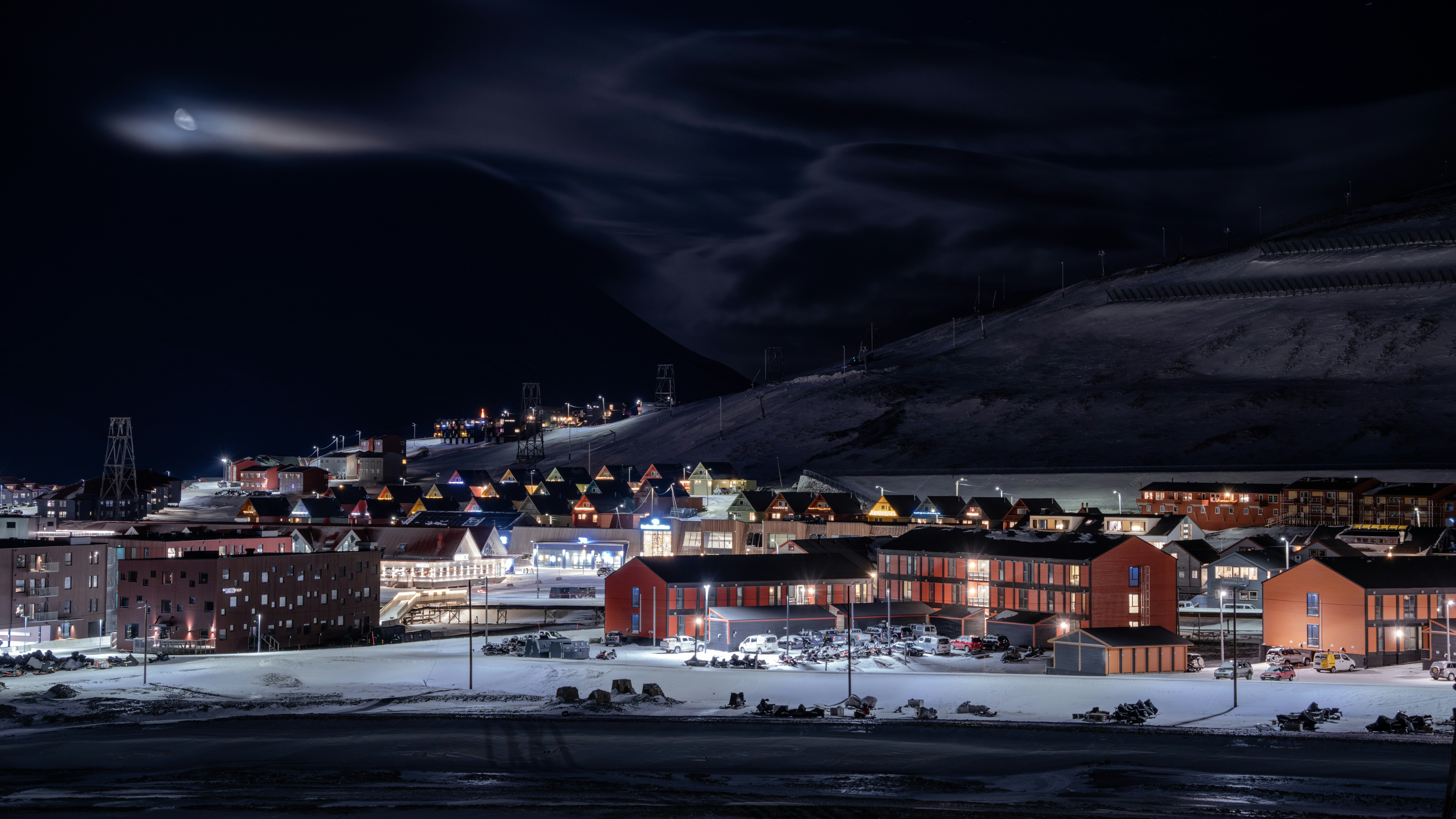
Picture waking up on a Tuesday morning in December, making yourself a cup of chai, pulling back the curtains, and finding absolute, total darkness outside. No sunrise. No golden hour. No pale winter light. Just an unbroken, velvety black sky at what is supposed to be 11 in the morning. For most of us in India, where even the most overcast monsoon day eventually gives us some kind of light, this sounds like something out of a dystopian film. But for the residents of Longyearbyen, a small, rather extraordinary town in the Svalbard archipelago in the Norwegian Arctic, this is simply winter. Every single year, from mid-November to late January, the sun does not rise above the horizon at all. Not once. That's roughly 75 days of continuous darkness, locally called the Polar Night (Mørketid in Norwegian). And yet, people live there, laugh there, build communities there, and, increasingly, invite curious travellers from around the world to come and experience it for themselves. So what's it actually like? And should you go? Let's get into it.
Also Read: 5 Budget-Friendly Alternatives To Famous Indian Tourist Spots
Where Is Svalbard, Exactly?
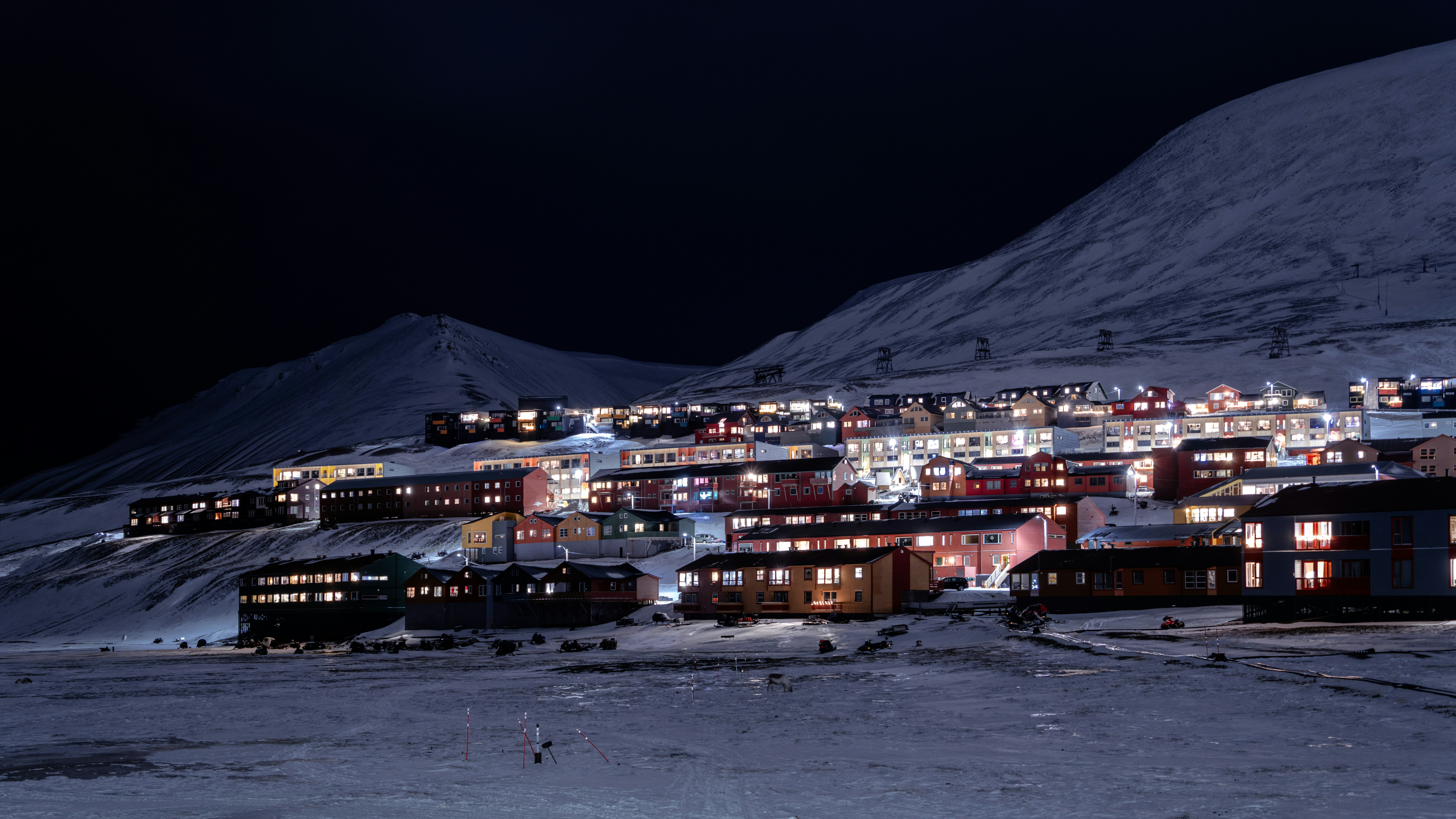
Svalbard, a Norwegian archipelago in the Arctic Ocean, lies halfway between mainland Norway and the North Pole at about 78 degrees North latitude, compared to Delhi's 28 degrees North. Longyearbyen, its largest settlement, has around 2,400 residents, making it one of the world's northernmost permanently inhabited towns. Svalbard's extreme seasonal changes are hard to grasp for those from tropical or subtropical regions. During summer, the Midnight Sun lasts about four months, with the sun never fully setting. Conversely, in winter, the sun doesn't rise for approximately 113 days, much longer than Tromsø's 49 days. This extended dark season, known as the Polar Night, runs from 14th November to 29th January. The geography of Svalbard, being so far north, intensifies these extremes, surpassing the typical image of ‘cold, dark Norway.' “In Svalbard, the Polar Night lasts from around 14th November to 29th January, and it feels like the entire world has pressed pause on daylight.”
The Polar Night: What Actually Happens?
The Polar Night in Svalbard is more intriguing than most imagine. It's not a continuous 75 days of darkness but rather a distinction between the ‘dark season' and the Polar Night itself. The dark season spans from late October to mid-February, lasting about 113 days. During its early and late phases, there's some midday twilight, and the sky displays stunning deep blue and purple hues during the ‘blue hour,' which can last several hours. Photographers are particularly drawn to this phenomenon.
The Polar Night, from 14th November to 29th January, is the season's darkest part, classified as a ‘Civil Polar Night.' The sun remains more than six degrees below the horizon, creating a sensation of complete darkness all day. The surrounding mountains in Longyearbyen further obscure any faint twilight, making the darkness feel absolute.
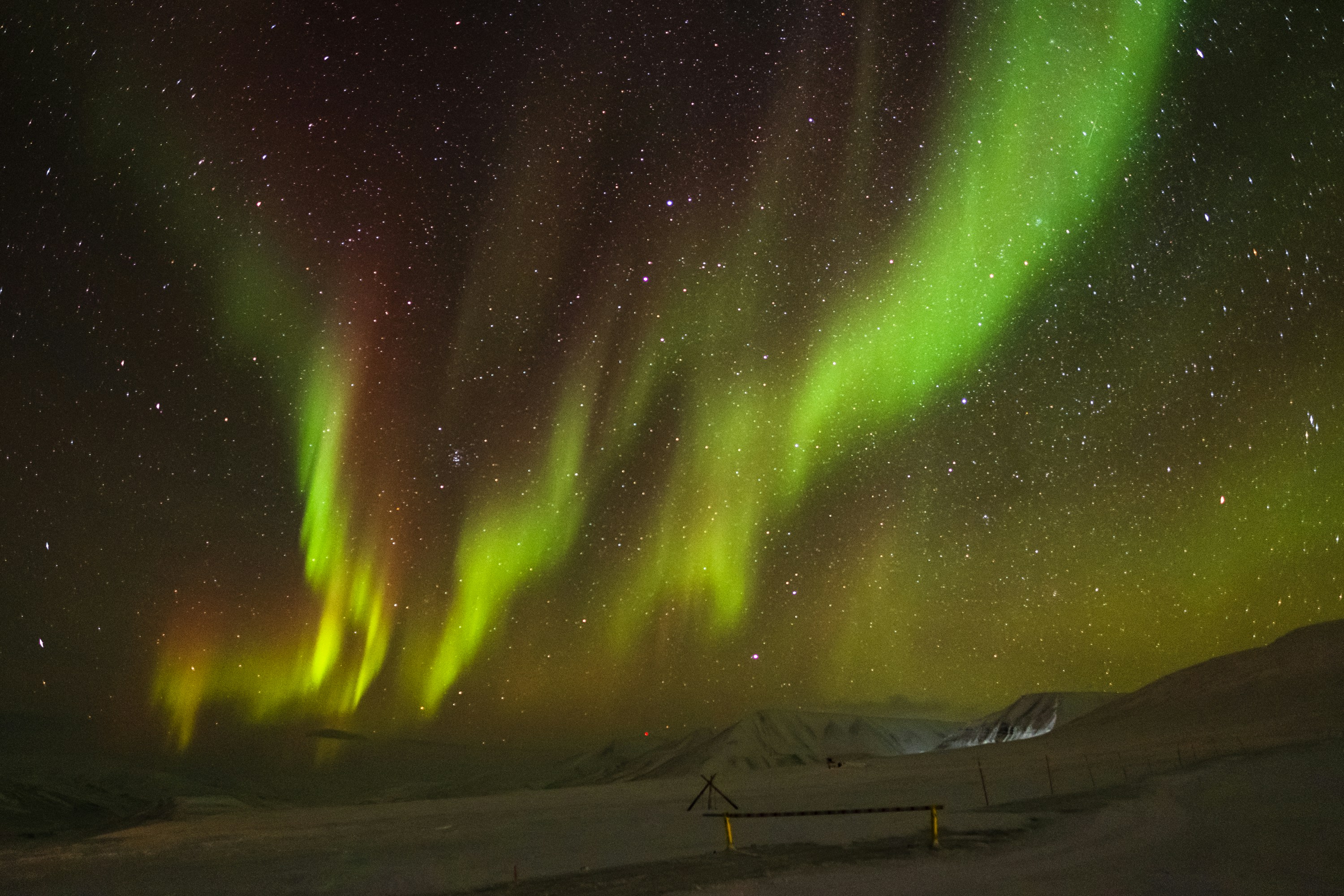
Yet, this period is also remarkably beautiful. The stars are exceptionally clear, free from the light pollution common in Indian cities. The moon casts shadows on the snow, and the northern lights, or aurora borealis, can appear at any time, even in the afternoon, due to the constant darkness. Guided Northern Lights hunts are available at 2 pm, a concept that feels perfectly natural once experienced.
How Do People Actually Live Like This?
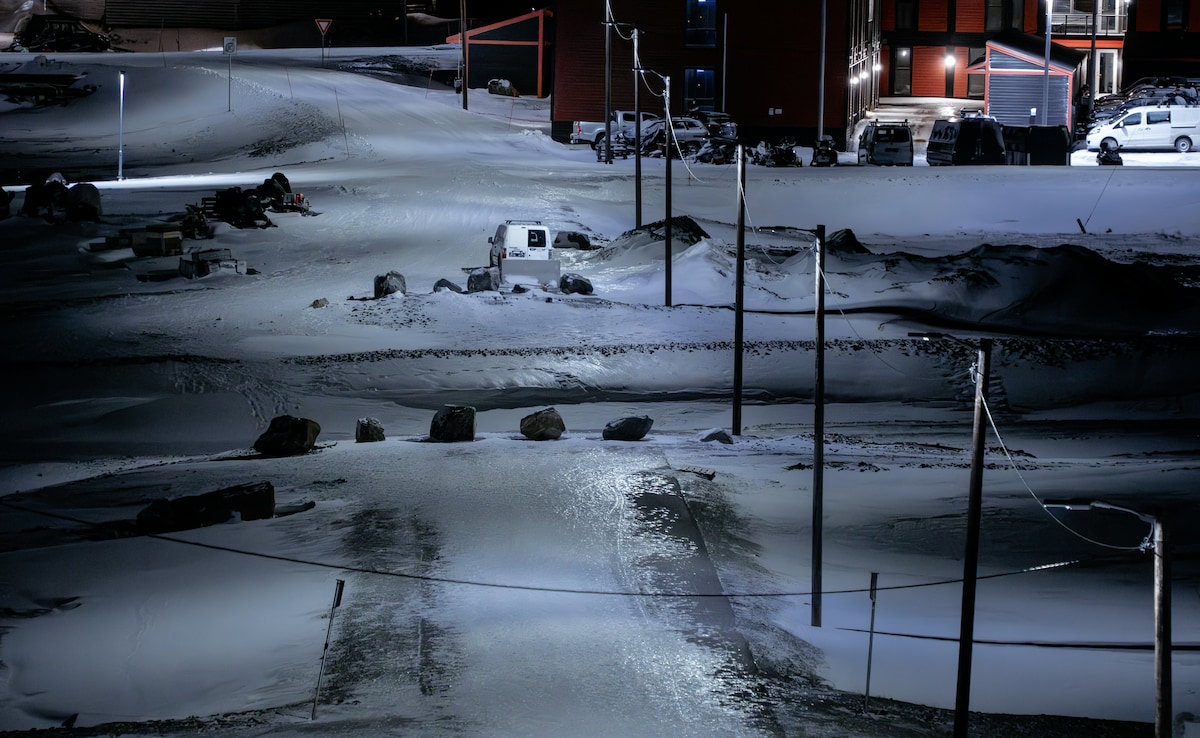
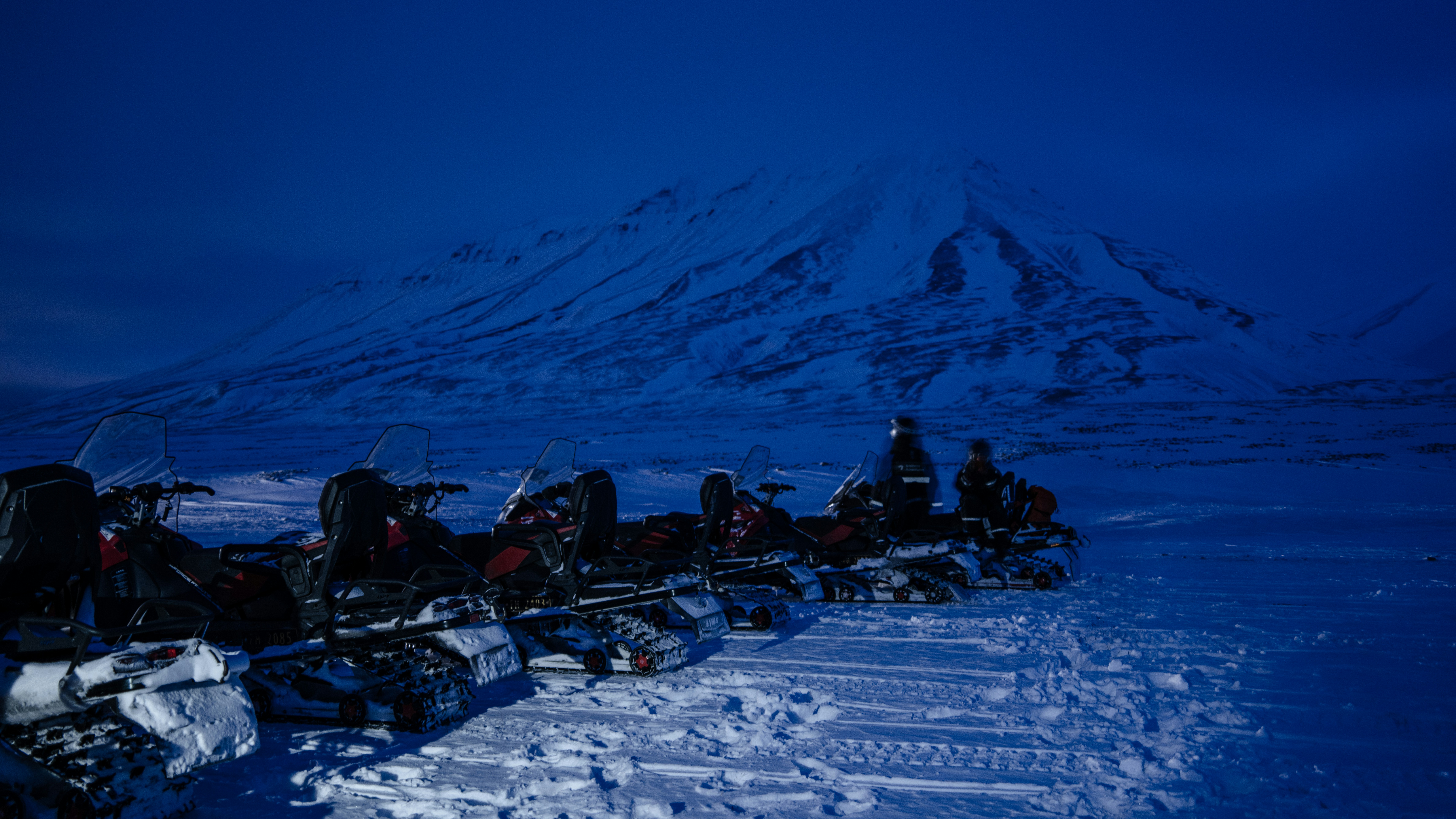
Indians often wonder how people cope with Svalbard's winters. Some do struggle with Seasonal Affective Disorder (SAD) being a real issue. Residents use light therapy lamps, maintain active social lives, and approach the dark season with cheerful stubbornness. However, many locals and long-term residents genuinely love the Polar Night. There's a cultural warmth in Longyearbyen akin to the Norwegian ‘koselig', a love for cosiness, candlelight, and shared meals. Restaurants and cafes feel atmospheric with every meal being ‘dinner' due to the constant darkness. Locals host each other, attend community events, and embrace the season. The town remains active with dog sledging, snowmobile trips, skiing, and ice cave tours. Festivals like Polarjazz in February and Dark Season Blues in October add vibrancy. Museums, an art centre, good restaurants, and a lively pub culture ensure life is full. “Polar Night or not, Longyearbyen refuses to be still.”
Also Read: Which City Is Known As The Ice Cream Capital Of India?
Travel Guide: How to Get to Svalbard from India
Getting to Svalbard from India is not a quick trip, but it's entirely doable, and it's not as complicated as you might fear.
Getting There
The main route from India is to fly to Oslo (direct flights available from Delhi, Mumbai, and Bengaluru on Air India, Norwegian, and SAS, often via a European hub) and then take a connecting flight from Oslo to Longyearbyen Airport (LYR). The Oslo-Longyearbyen sector is operated by SAS and takes around 3 hours. The total journey from Delhi, including connections, is typically 12 to 16 hours. Budget roughly ₹80,000 to ₹1,50,000 for return flights depending on the season and how far in advance you book.
Visa Situation
Here's the genuinely surprising part for Indian travellers: Svalbard is not part of the Schengen Area. The Svalbard Treaty of 1920 makes it a demilitarised zone open to citizens of all signatory nations, which includes India. However, you will still need a Schengen visa to transit through Norway (Oslo). The simplest approach is to apply for a Norwegian Schengen visa, which covers your transit through Oslo on the way to and from Svalbard. Once you're in Longyearbyen itself, there are no immigration controls, you can arrive.
When to Go
This depends entirely on what you're after. For the Polar Night experience, the core subject of this article, visit between mid-November and late January. For the Northern Lights without the full darkness, October or February/March are excellent. For the Midnight Sun (when it never sets), visit between late April and mid-August. March is considered a sweet spot by many: there's plenty of snow for winter activities, the days are getting longer, and the Sun Festival at the start of March celebrates the return of the sun with great local energy.
Where to Stay
Longyearbyen offers diverse accommodation, from a well-known international option with Arctic comforts to a boutique choice with excellent food and a warm atmosphere. Budget travellers can find good value, while remote wilderness cabins provide an extraordinary experience. Svalbard is pricey, with accommodation costing ₹15,000 to ₹25,000 per night in the shoulder season, rising during peak times. However, it's a tax-free zone, making alcohol, electronics, and some goods cheaper than in mainland Norway.
What to Do
Activities during the Polar Night season are genuinely spectacular. Dog sledding through the dark Arctic tundra with only headlamps and moonlight is something you will not forget quickly. Snowmobile expeditions go deep into the backcountry. Guided Northern Lights tours can be arranged at almost any hour. Ice cave visits into the glaciers just outside town are genuinely surreal, you descend into frozen blue chambers while the Polar Night waits for you at the surface. ATV safaris operate in the early part of the season before snow arrives. The Svalbard Museum in town is excellent for understanding the history of Arctic exploration, whaling, and mining that shaped this unusual place.
Important safety note: outside of Longyearbyen, polar bears roam freely. The rule is simple but serious, you must carry a firearm or go with a licensed guide whenever you leave the settlement boundaries. This is not optional, and local guides are excellent at ensuring your safety while maximising your access to the wilderness.
What to Pack
Packing for an Arctic winter is its own discipline. The key principle is layering: a moisture-wicking base layer, a warm mid-layer (fleece or down), and a windproof and waterproof outer shell. For your hands and feet, do not economise, thermal gloves, wool socks, and proper Arctic boots (rated to at least -30°C) are non-negotiable. A balaclava, thermal hat, and neck gaiter will be your best friends. Temperatures in Longyearbyen in winter can range from -10°C to -30°C or lower with wind chill. Good outfitters in town also rent gear if you don't want to invest in specialist equipment you'll only use once.
Also Read: Which City Is The Whiskey Capital Of The World?
Why Svalbard Is Unlike Anywhere Else on Earth
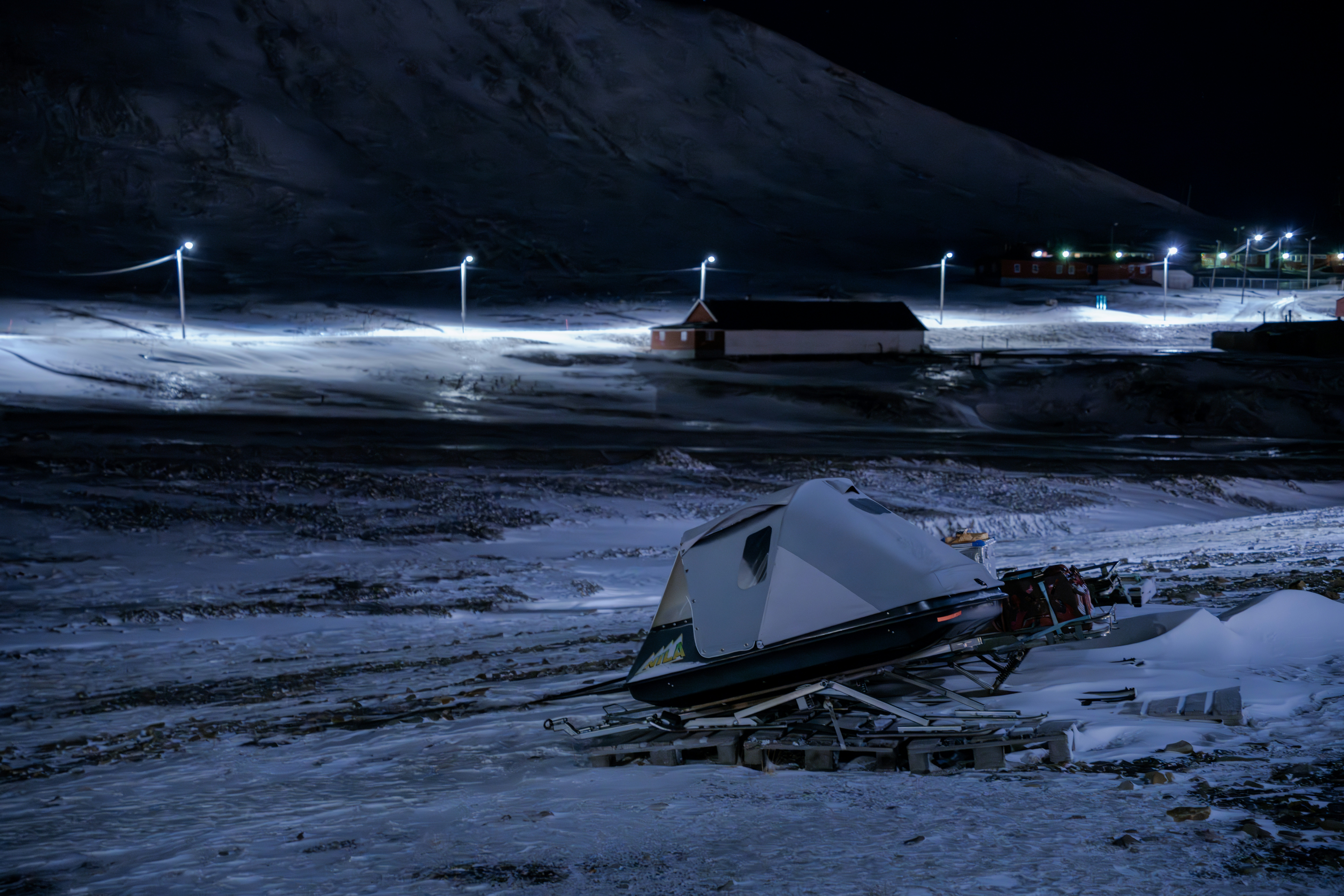
Beyond the darkness, Svalbard boasts unique qualities that set it apart. It's one of the few places where polar bears outnumber humans, with about 3,000 bears compared to 2,400 residents. Road signs warn of bear crossings as casually as speed bumps. The wildlife is extraordinary, featuring Arctic foxes, reindeer, and vast seabird colonies in summer.
Svalbard is home to the Svalbard Global Seed Vault, built into a mountain near Longyearbyen. Known as the ‘Doomsday Vault,' it stores seed samples from nearly every crop plant on Earth, safeguarding against global catastrophe. This Arctic town quietly holds a backup of the world's agricultural heritage.
The town is also remarkably international. The Svalbard Treaty allows citizens from any signatory country to live and work there without a visa, creating a diverse population of 2,400, including Russians, Thais, Indians, and Norwegians. The university centre (UNIS) attracts global students and researchers, making it a cosmopolitan outpost.
Each March, the Sun Festival celebrates the return of sunlight after the long dark. The town erupts in joy, with concerts and events marking the occasion. For travellers, it's an extraordinary bookend to an extraordinary experience.
QUICK FACTS FOR INDIAN TRAVELLERS
- Polar Night dates: 14 November to 29 January
- Nearest airport: Longyearbyen (LYR), fly via Oslo
- Visa: Norwegian Schengen visa required for transit through Oslo
- Currency: Norwegian Krone (NOK). In a tax-free zone, shopping is cheaper than in mainland Norway
- Average winter temperature: -10°C to -30°C
- Polar bears: ~3,000 on the archipelago. Always go with a guide outside town
- Best months for Polar Night + aurora: November to January
- Sun Festival: First two weeks of March, the return of the sun
Should You Go?
If you've read this far, you already know the answer. Yes, Svalbard demands effort, money, and a willingness to be uncomfortable in the most rewarding way. Few places offer profound natural spectacle, genuine human warmth, and experiences outside your everyday frame. For Indians, accustomed to abundant light and warmth, the Polar Night of Longyearbyen is as far from home as possible without leaving Earth. That's why it's worth visiting. Sometimes extraordinary experiences reveal the world's vastness and variety.
Track Latest News Live on NDTV.com and get news updates from India and around the world


