

)
Everyone has had sweaty hands and feet at some point in their lives and this can be due to various reasons. While sweaty hands and feet during summer is a common phenomenon, excessive sweating can be a sign of hyperhidrosis. Some people tend to suffer from the condition without even knowing about it. Hyperhidrosis is a condition wherein a person sweats excessively. It usually happens when you sweat more than what your body needs to regulate your temperature. Cleveland Clinic says that you may experience sweating even when you're at rest, in cold temperatures or randomly at times when you wouldn't expect to sweat.
Sweating during summer is a normal physiological response to heat or exertion. However, hyperhidrosis is caused due to overactive sweat glands. The sweat glands create sweat to cool down your body and this process is activated when you exercise or if you're nervous. If you have hyperhidrosis, your sweat glands activate and produce more sweat, even at times when there isn't any activity or emotion that should cause your glands to produce sweat.
How To Differentiate Between Hyperhidrosis And Summer Sweating
1. Temperature and Activity
Normal summer sweating increases with heat, exercise, or humidity and improves when the body cools down. In hyperhidrosis, people sweat heavily even in cool weather, at rest, or in air-conditioned rooms.
2. Pattern and Location
Summer sweating is usually all over the body and matches the environment. Hyperhidrosis often affects specific areas such as palms, soles, underarms, or face, and both sides of the body.
3. Degree of Wetness
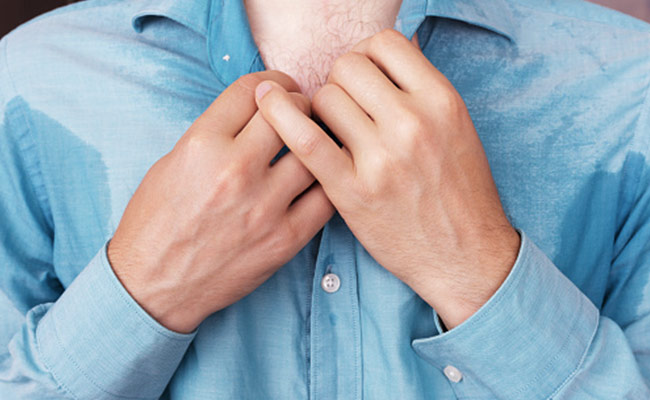
Ordinary summer sweat makes clothes damp but not soaked through. With hyperhidrosis, sweat can drip from the hands, soak shirts, leave marks on furniture, or cause slippery palms. This can severely affect daily tasks like writing, handling objects, or social interactions.
4. Frequency and Triggers
Summer sweating happens sometimes and is linked to heat, exercise, or stress. Hyperhidrosis, on the other hand, is frequent and occurs regularly. It might not have any trigger or can be triggered by mild anxiety.
5. Response to Antiperspirants
Over-the-counter antiperspirants usually help with summer sweating. If sweating persists despite strong antiperspirants, it could be hyperhidrosis.
Ways To Manage Hyperhidrosis
1. Use strong antiperspirants
Start with a high-strength, aluminum-chloride antiperspirant. Apply it at night to dry and clean skin, especially on the underarms, palms, or soles. This blocks sweat ducts and reduces moisture.
2. Practice Good Hygiene
Bathe daily with a gentle antibacterial soap and dry the skin thoroughly, especially in sweaty areas. This will reduce odour and irritation. Wear loose-fit and breathable natural fabrics like cotton or moisture-wicking materials. Also, keep extra and light clothing handy to change if you feel damp.
3. Cooling and Absorbent Tricks
Place absorbent and thin cloths or under-the-arm pads under your clothes to soak up sweat. Wash or change them multiple times a day. Keep a small hand towel or wipes in your bag, and splash cool water on warm areas to temporarily reduce sweating and discomfort.
4. Lifestyle Changes
Avoid very hot, spicy foods, caffeine, and alcohol in the evening if they seem to cause night-time sweating. Keep your bedroom cool using a fan or AC. Use cotton bedding, and wear light sleepwear to reduce "night sweats".
5. Natural Remedies
Some people may benefit from topical use of diluted apple cider vinegar soaks or baking-soda pastes on armpits (always patch test first). Tea soaked compresses (black or green tea) on palms or feet can also be beneficial due to their mild astringent tannins.
Disclaimer: This content including advice provides generic information only. It is in no way a substitute for a qualified medical opinion. Always consult a specialist or your own doctor for more information. NDTV does not claim responsibility for this information.