Why India Has Never Bought American Fighter Jets
Almost every US fighter aircraft flying missions over Iran, at some point in the last 20 years, had been offered to India
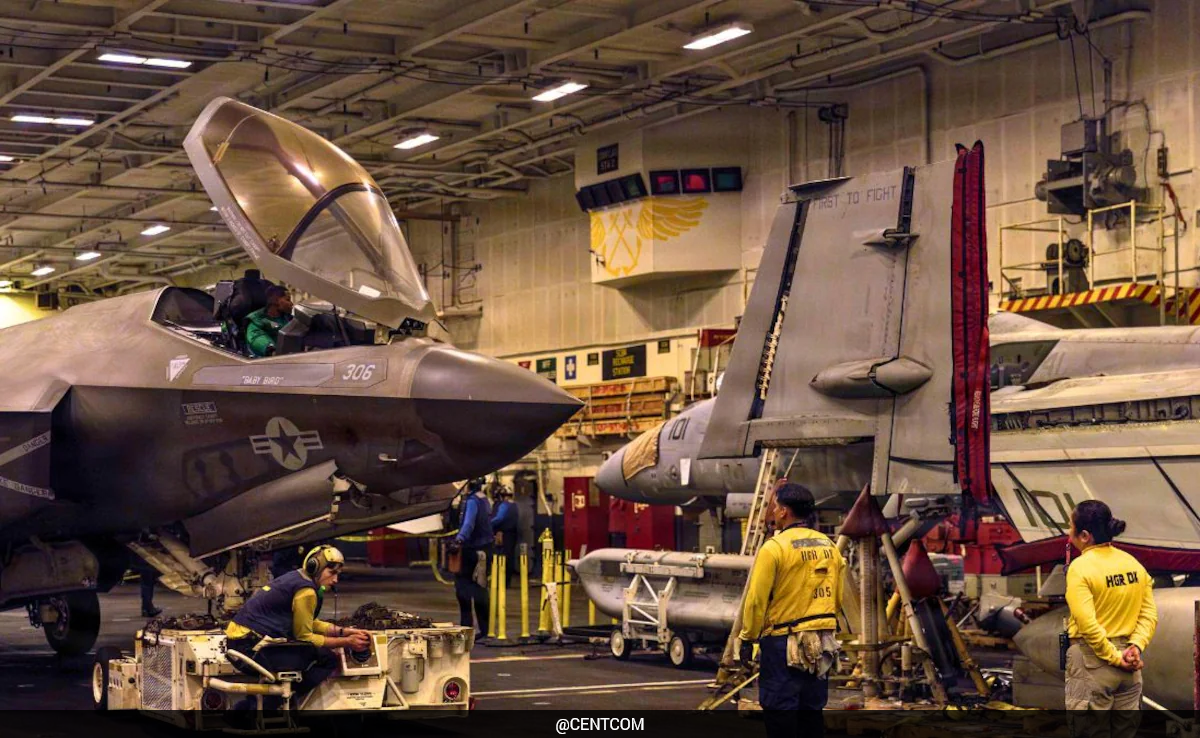
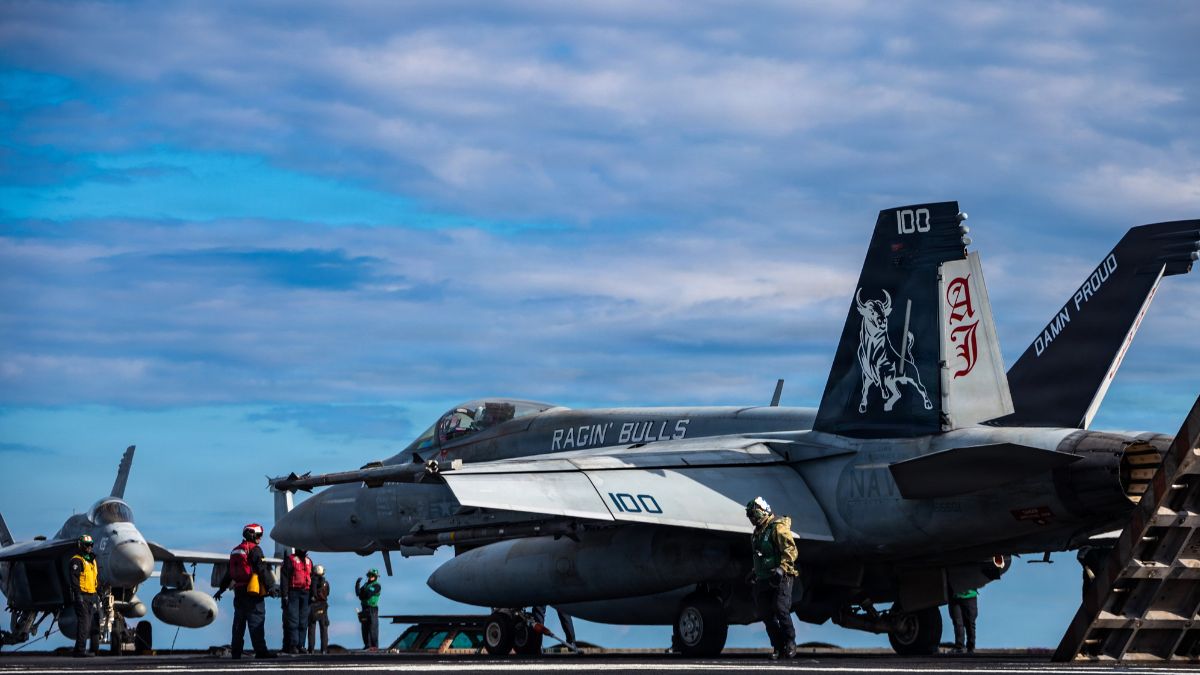
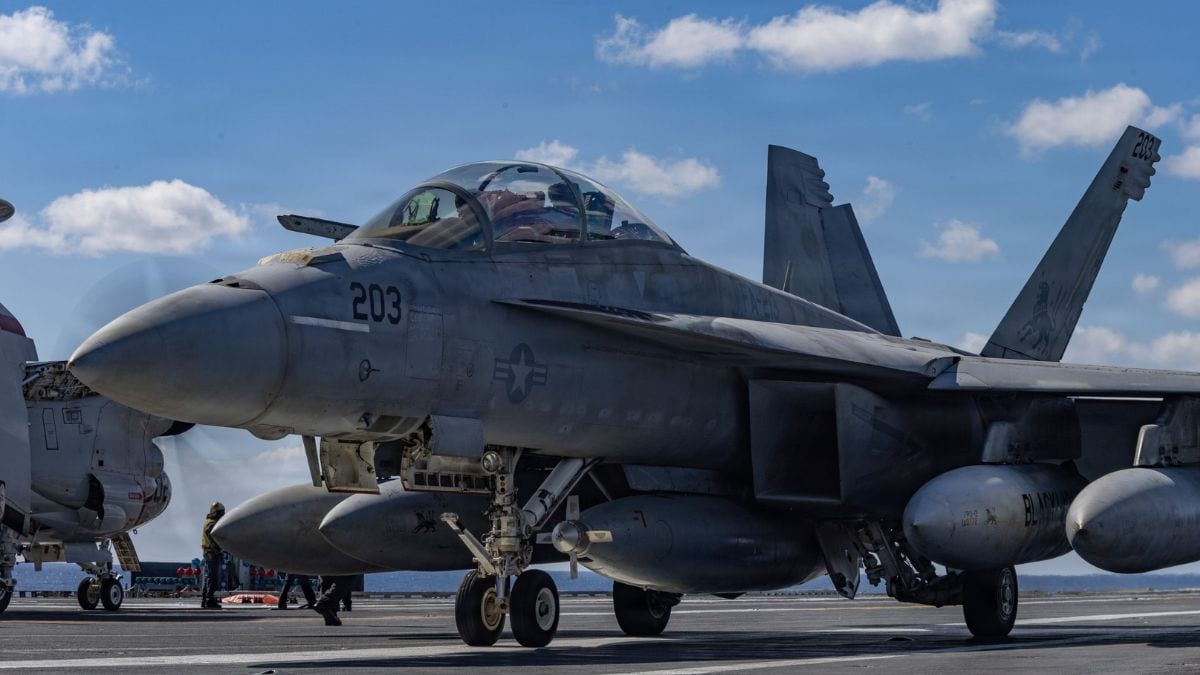
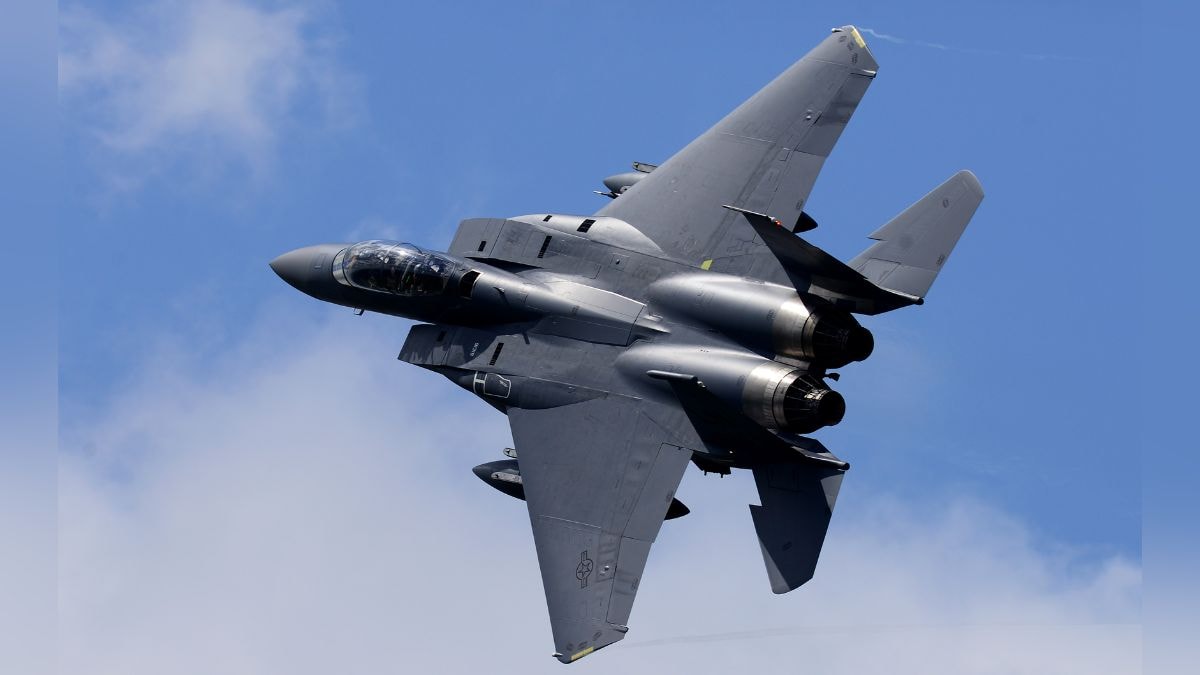
Look at the skies over Iran right now. American F/A-18 Super Hornets flying off the decks of nuclear-powered aircraft carriers; F-15E Strike Eagles flying out of Gulf bases; F-16s on sustained combat air defence missions; F-22 Raptor stealth fighters on their first combat deployment from Israel; B-2 stealth bombers flying non-stop missions at night, and F-35s threading through layered air defences, with one even scoring its first air-to-air kill ever.
It is the single largest congregation of American combat airpower in a generation, a live wartime full-dress rehearsal of what the United States Air Force and Navy can do when the gloves come off.
Let me tell you an interesting story. Almost every fighter aircraft you're seeing in those skies, at some point in the last 20 years, has been offered to India.
And India said no to all of them. Every time.
To understand why, you have to go back before the missiles, before the stealth jets, before the multi-billion-dollar defence relationships. You have to go back to the Cold War, and a choice America made that India has never forgotten.
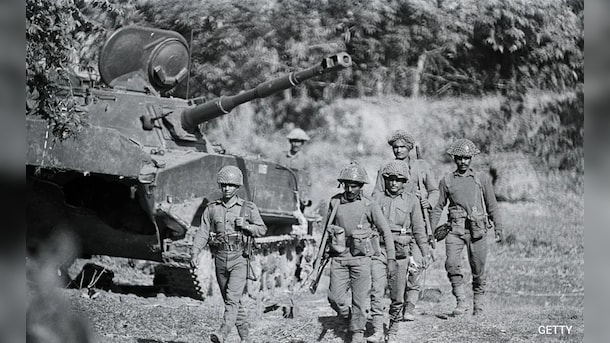
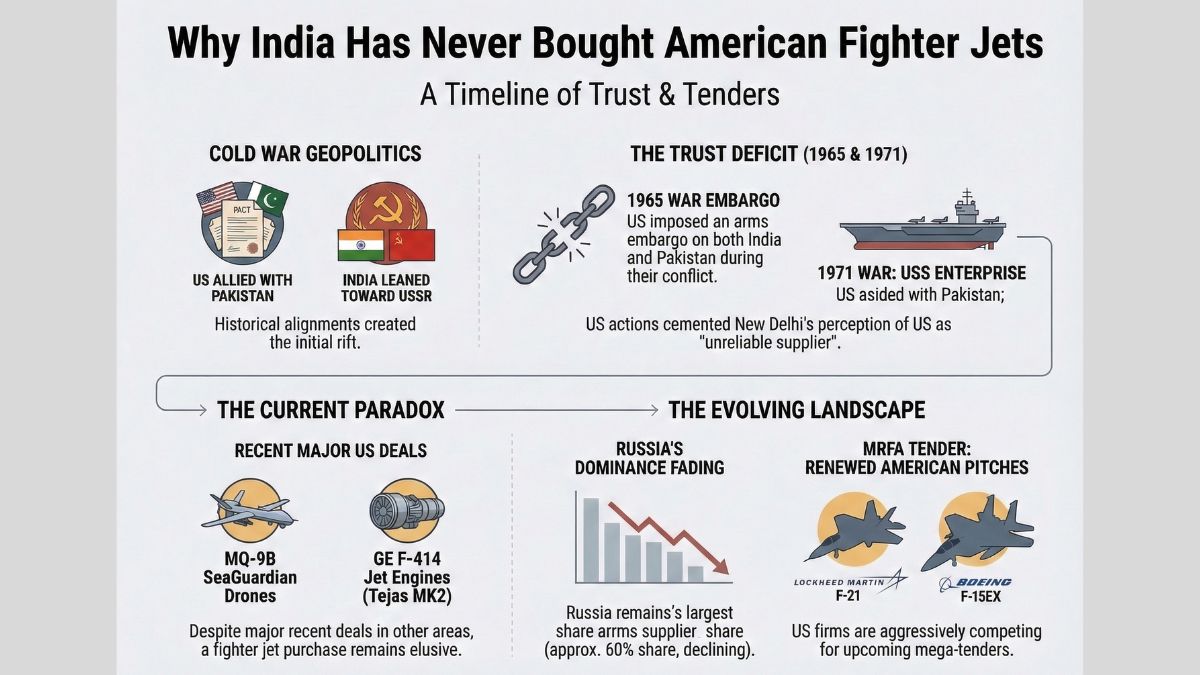
During the Cold War, Washington armed Pakistan. Not just with rifles and tanks, but with frontline fighter aircraft. The F-86 Sabre. The F-104 Starfighter. The F-86D. The A-37. Later, crucially, the F-16 Fighting Falcon, one of the most capable, combat-proven multirole fighters ever built. Pakistan flew these jets. Pakistan fought wars with these jets. Pakistan flew them against India.
So India went the other way. The Soviet MiG-21. The MiG-23. The MiG-29. The Sukhoi-30MKI, still the backbone of the Indian Air Force. British-French Jaguars. French Mirage 2000s. British Hawker Hunters. Generation after generation, India quietly, deliberately, built an air force that owed nothing to Washington.
After the Cold War ended, there was a thaw. The nineties brought a genuinely warm period between New Delhi and Washington - two large democracies with shared concerns about instability and growing economic ties. It felt, briefly, like the beginning of something real.
Then, in May 1998, India tested a nuclear weapon. The reaction from the Clinton administration was immediate. American sanctions came swiftly. Technology was cut-off. There was an abrupt diplomatic freeze. The message from Washington was unmistakable: you do this on your own terms, you pay a price.
India paid that price, but never really forgot.
That 1998 moment planted something deep in the Indian strategic psyche. A suspicion. A layer of distrust that subsequent administrations on both sides have worked hard to erase, and have partially succeeded, but never fully dissolved. You can see it today in the data. India buys American C-17 Globemaster heavy transport jets. American C-130J Super Hercules transport planes. American P-8I Poseidons for submarine hunting and long range surveillance over the Indian Ocean. Apache attack helicopters. Chinook heavy lifters. Soon even MQ-9B Predator drones that fire missiles. India has spent billions on American military hardware.
Just not American fighter aircraft.
Never fighters.
The reason is simple, even if rarely stated openly: combat autonomy.
A fighter aircraft is not just a weapons platform. It is the sovereign expression of a nation's ability to defend its own skies on its own terms. And the moment you buy American fighters, the reasonable perception is that you inherit American dependencies: spare parts, software upgrades, export licences, politics, and whims.
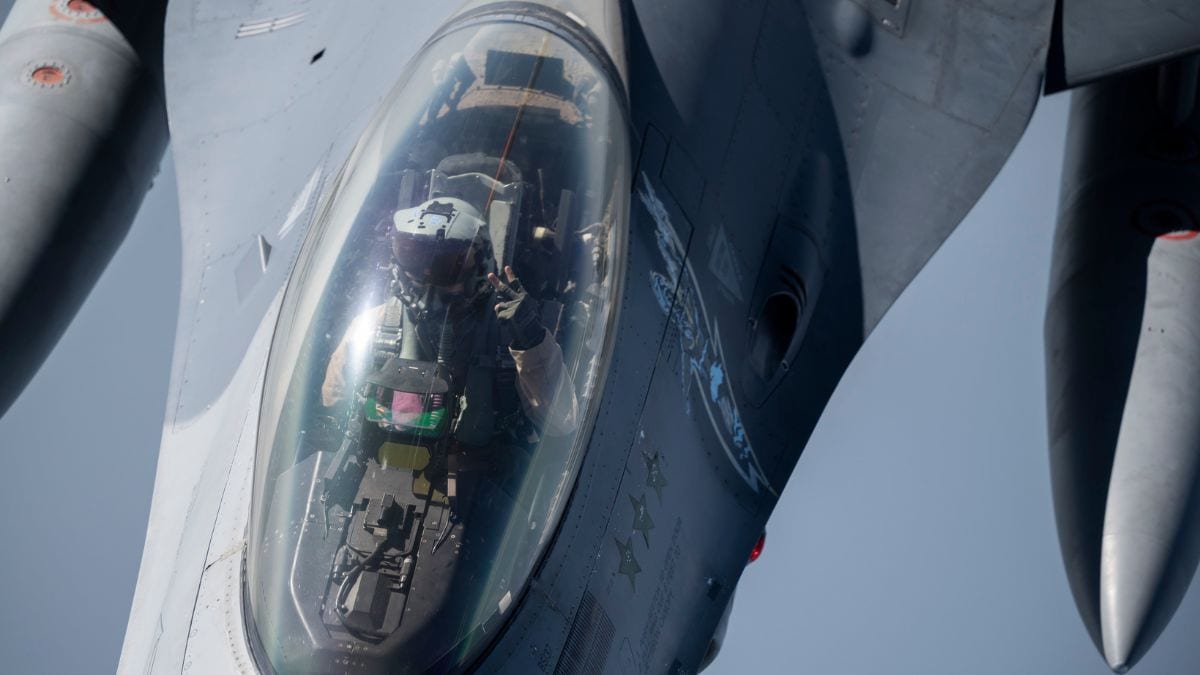
India watched what happened to Turkey, a NATO ally that flies the F-16. Washington used the threat of component denial as leverage in a bilateral dispute. India saw what happened to Pakistan, which flew the American F-16 and was periodically, but never really officially, cut-off from spares every time relations with Washington soured, leaving its jets grounded.
India has relentlessly refused to find itself in that position.
When the US pitched the F-16 to India in the 2000s, it did so with a straight face, knowing full well it had supplied the same jet to Pakistan, India's immediate adversary. The audacity of the pitch was almost impressive.
So desperate was Washington to close the deal that Lockheed Martin literally renamed a proposed advanced variant of the F-16 the F-21, a marketing-rebranding exercise so transparent, so cynical, it became a running joke in defence circles. Change the badge, erase the Pakistan association, close the deal. That was the hope.
But India wasn't buying the jet. And India definitely didn't buy the story.
Years later, the Indian Navy gave the American F/A-18 Super Hornet a genuine, serious evaluation for its aircraft carrier requirement. It looked at the numbers, the specs, the carrier compatibility. But when the Indian Air Force chose the French Rafale, it gave the navy political cover to follow, which it eventually did. The reasons cited were technical (they always are). But the strategic undercurrent was never in doubt: France charges top dollar, but asks no questions. France imposes no conditions. France doesn't squeeze you or threaten to cut you off when you buy Russian submarines.
Then came Balakot in February 2019. India struck a terrorist camp inside Pakistan. Pakistan retaliated. In the aerial skirmish that followed, Pakistan scrambled F-16s. And India, flying a Soviet-era MiG-21 Bison, shot one down.
The political and strategic implications were enormous. And for the question of whether India would ever buy American fighter jets, it was the final nail in the coffin of possibility. One of America's frontline export fighters had been shot down by India using what was essentially a Russian relic. The idea that India needed American jets to be competitive was now not just strategically awkward, but even operationally ridiculous.
Washington kept pitching anyway. A year after Balakot, it offered India the newest variant of the F-15, called the Eagle II, a genuinely impressive, massively upgraded version of one of the most lethal air superiority fighters ever built. India noted the offer. And then, in keeping with tradition, has ignored it.
A year ago, weeks into his second presidency, Donald Trump announced he was paving the way to offer India the F-35 stealth fighter, America's crown jewel, its fifth-generation fighter, the jet it guards more jealously than almost any other technology, offering it only to its closest friends and allies.
To be sure, India never seriously engaged with this as a firm offer.
And recently, India has at least reportedly ended any ambiguity, signaling through media channels in the careful way Indian strategic communication works, that the Indian Air Force had effectively zeroed in on the Russian Su-57 as its stopgap stealth fighter acquisition. Coming as it does months after President Trump has openly and explicitly warned India about committing to Russian weapons, such a move wouldn't be clearer even if it is printed on a billboard outside the Pentagon.
So as you watch those American jets over Iran, the Super Hornets, the F-15s, the F-16s, the F-35s, understand what you're really seeing. The most powerful air force on earth. You're also seeing the air force that a billion-and-a-half people, through the choices of successive governments, have quietly, consistently, strategically decided they will never depend on.
India will buy American transport planes. American helicopters. American drones. American surveillance jets. India will smile at American arms salesmen, host American defence delegations, sign American military cooperation frameworks.
And then India will buy its fighters from France. Or Russia. Or build its own.
Because in the end, the fighter is the line. Cross that line, and you hand someone else the key to your sovereign airspace. Modern India learned that lesson early. It has not forgotten it once.
-
Opinion | China's Quiet Power Grab Is Hiding In Plain Sight

China's greatest advantage may be neither its military nor its markets, but a world too distracted to see what it is building.
-
Reporter's Diary | Worse Than War: An Aerial View Of Nepal's Trishuli River Valley Tragedy
In many ways, reporting on natural disasters is far more harrowing than covering modern war
-
Opinion | The Indian Investor Has A New Problem: An SIP That Does Nothing
You keep doing everything right. So why aren't your stocks paying off, even as your investments rise?
-
The River Took It All: Aerial Visuals From Nepal Show Scale Of Catastrophe | NDTV Exclusive
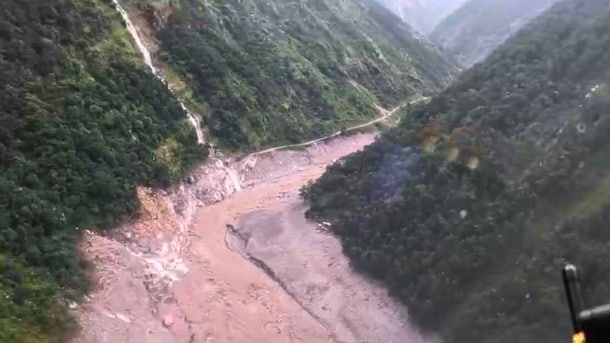
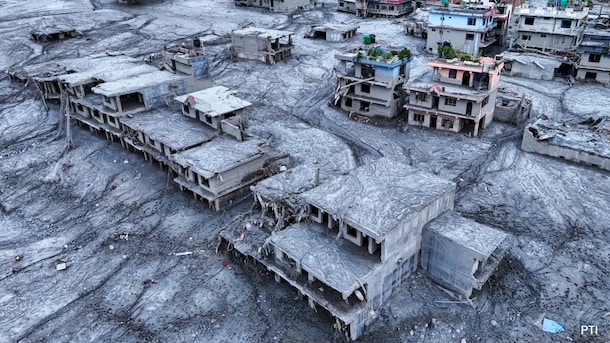
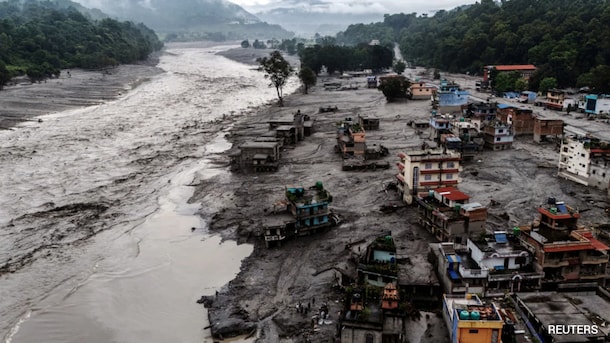
Visuals from a helicopter showed narrow gorges now flattened and widened into valley-like spreads, with rocks, debris, mud, and bodies strewn across them.
-
Before The Nepal Flood, A Glacial Fall: Tracing The Trigger, And A 100-km Killer Surge
A glacier came off a ridge on the Nepal-China border and travelled 100 km down multiple rivers, the longest part of the run being in the Trishuli.
-
Opinion | How A 'Friendship' Pact With Russia Came To India's Rescue 55 Years Ago
With PM Modi set to meet Putin in Kyrgyzstan, a throwback to a historic treaty that helped India fend off Pakistan - and America's 7th Fleet - over 50 years ago.
-
Opinion | The OBC Fault Line That Could Shake Up Uttar Pradesh - And BJP
For years, the BJP was propelled by support from the OBCs. Now, cracks have begun to appear in that base
-
Census Asks 40 Questions. Why Number 10 Is A Battleground | NDTV Explains
The caste question is a fill-in-the-blank for everyone other than SCs and STs. But there's a case for making it a dropdown with set options. Let's decode the history and math behind the politics.