)
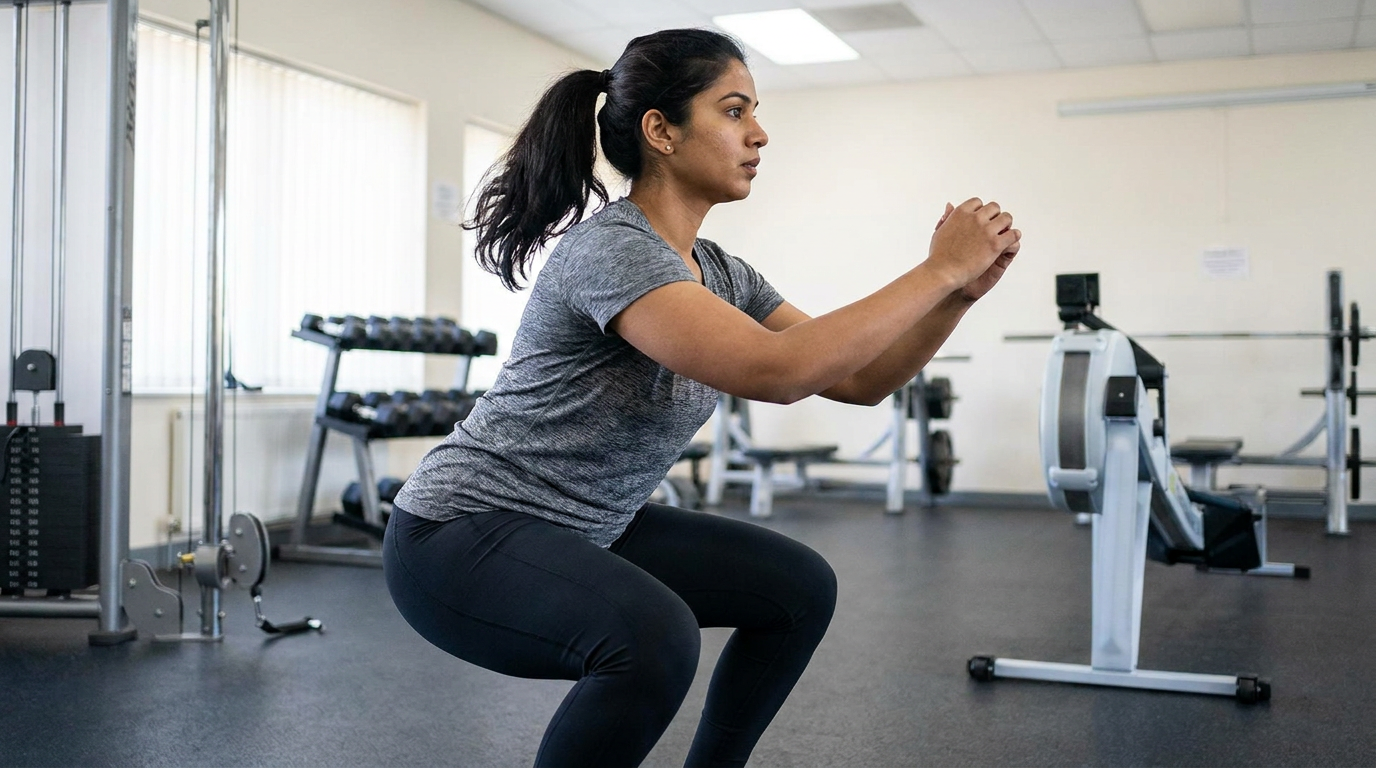
Strength training, also known as resistance training (RT), has been known to help build stronger muscles and bones. Now, new research suggests it may also play an important role in protecting women's heart health. A large study has found that women who spend at least two hours each week on strength training may have a lower risk of developing heart disease. The findings add to growing evidence that lifting weights, using resistance bands, or performing bodyweight exercises can improve overall health when done regularly.
The study also highlights that strength training works even better when combined with regular aerobic exercise such as brisk walking, cycling, or swimming. While the study does not prove that strength training alone prevents heart disease, it shows a strong connection between regular resistance exercise and better heart health. Experts believe that adding a few strength-training sessions each week can be a simple and practical way for women to support long-term wellness.
Dr. Tianyue Zhang, MD, lead study author and scientist at the Harvard T.H. Chan School of Public Health's Department of Nutrition, said, "Despite its established health benefits, RT is often overlooked as a prevention strategy for CVD, and its impact on CVD risk - especially in middle-aged and older women - remains understudied. A key question is, how much does it add beyond aerobic activity alone?"
What Did The Study Find?
For the study, researchers analysed health data from more than 1,17,000 women who took part in the Nurses' Health Study and Nurses' Health Study II. Researchers followed the participants for many years and regularly recorded their physical activity, including resistance training, aerobic exercise, and sedentary habits such as television viewing.
The results showed that women who performed at least two hours of strength training every week had a 20% lower risk of major cardiovascular disease compared to women who did no strength training. The biggest benefit was seen in lowering the risk of heart attacks. Every additional hour of weekly strength training was linked with a further reduction in heart disease risk, although the benefits became slightly smaller after researchers considered factors like body weight, diabetes, high blood pressure, and high cholesterol.
Why Strength Training Helps The Heart
Strength training does much more than increase muscle strength. It improves insulin sensitivity, helps manage body weight, reduces unhealthy body fat, and supports healthier cholesterol and blood pressure levels. These changes reduce several major risk factors linked to heart disease. Researchers believe these improvements explain why women who regularly perform resistance exercises tend to have better cardiovascular health.
The study also found that strength training appeared to have a stronger effect on reducing heart attack risk than stroke risk. Researchers say this may be because heart attacks and strokes develop through different biological processes, and not all forms of stroke respond to the same lifestyle changes. More research is needed to understand these differences.
Combining Strength Training With Cardio
One of the most important findings was that combining strength training with aerobic exercise offered the greatest protection. Women who completed at least two hours of weekly strength training along with the recommended 150 minutes of moderate aerobic exercise had a 45% lower risk of heart attack than women who were inactive.
Researchers also looked at overall movement habits instead of focusing on a single activity. Women who exercised regularly and spent less time sitting, especially watching television, had the lowest risk of major cardiovascular disease. This suggests that staying active throughout the week is just as important as scheduled workouts.
Zhang said, "These findings suggest that, within an already active population, RT is associated with additional reductions in CVD risk above and beyond overall aerobic activity. Alongside aerobic activity and reductions in sedentary behavior, RT may be an important component of public health strategies for cardiovascular prevention in women."
Harlan M. Krumholz, MD, FACC, Editor-in-Chief of JACC and the Harold H. Hines, Jr Professor at the Yale School of Medicine, said, "We have long encouraged resistance training, and this study provides strong evidence to reinforce that message. It should be included in a well-rounded health routine to support function and longevity."
Disclaimer: This content including advice provides generic information only. It is in no way a substitute for a qualified medical opinion. Always consult a specialist or your own doctor for more information. NDTV does not claim responsibility for this information.