

)
Constipation is a common digestive problem that can make bowel movements difficult, painful or less frequent than usual. It often happens when stools become hard and dry, making them difficult to pass. For some people, the problem may be occasional, while others may experience it repeatedly. Simple lifestyle changes, including eating more fibre, staying hydrated and being physically active, can help improve bowel regularity. However, gentle movement may also play a role in supporting healthy digestion.
Yoga can be beneficial in managing constipation because it combines gentle physical movements with controlled breathing and relaxation. Certain movements can gently stretch or compress the abdominal area, while regular activity may support normal bowel movement. Yoga may also help reduce stress, which can sometimes affect digestion and bowel habits. Here are some yoga poses that can help to relieve constipation.
Yoga For Constipation Relief
1. Wind-Relieving Pose (Pawanmuktasana)
Lie on your back with your legs extended. Bend one knee and bring it towards your chest, holding it gently with both hands. You can also bring both knees towards the chest together. Hold the position for a few comfortable breaths before releasing. This pose compresses the abdomen and may help relieve trapped gas and bloating. The movement can also provide a gentle massage-like effect around the abdominal area. Avoid pulling the knees forcefully towards the chest.
2. Cat-Cow Pose (Marjaryasana-Bitilasana)
Come onto your hands and knees, keeping your wrists under your shoulders and knees under your hips. As you inhale, gently drop your abdomen and lift your chest and head. As you exhale, round your back and draw your abdomen in. Repeat slowly several times. The repeated movement of the spine and abdomen can gently stimulate the abdominal region. It also encourages movement and may help reduce tension in the body.
3. Seated Spinal Twist (Ardha Matsyendrasana)
Sit with your legs extended or crossed comfortably. Bend one knee and place that foot on the opposite side. Slowly turn your upper body towards the bent knee, using your hand for support. Keep your spine long and avoid forcing the twist. Gentle twisting can create mild compression and release around the abdomen. This may help stimulate the digestive system and encourage intestinal movement.
4. Child's Pose (Balasana)
Kneel on the floor and slowly lower your hips towards your heels. Bend forward and allow your forehead to rest on the floor or a cushion. Stretch your arms forward or keep them alongside your body. Breathe slowly and remain comfortable. This pose does not directly stimulate bowel movements, but it can help relax the body and reduce stress. Since stress can sometimes contribute to constipation, relaxation may indirectly support better digestion.
5. Garland Pose (Malasana)
Stand with your feet slightly wider than hip-width apart. Slowly lower your hips into a squat, keeping your feet grounded as much as possible. Bring your palms together and gently press your elbows against the inner knees. The squatting position resembles the natural posture used for passing stool and can encourage better positioning of the pelvic region. It may also gently stretch the hips and lower back.
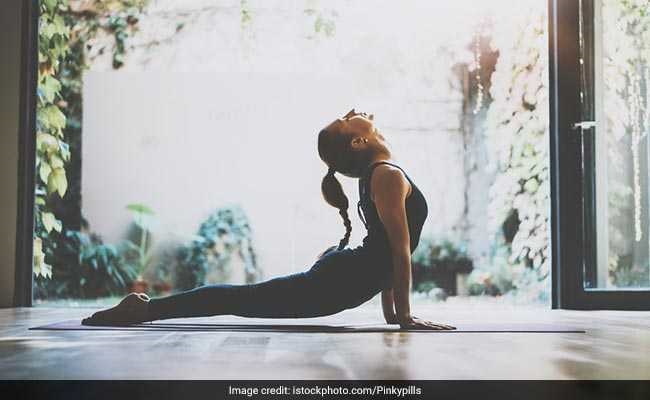
6. Cobra Pose (Bhujangasana)
Lie on your stomach with your palms near your shoulders. Keeping your elbows close to your body, gently lift your chest while keeping the lower part of your body on the floor. Do not push yourself into a deep backbend. The stretching of the abdomen may provide a mild stimulating effect around the digestive organs. It also helps improve mobility and can be useful as part of a broader movement routine. Stop if you experience back or abdominal pain.
7. Thunderbolt Pose (Vajrasana)
Kneel and sit back on your heels, keeping your spine upright. Place your hands comfortably on your thighs and take slow and relaxed breaths. You can remain in the pose for a few minutes if it feels comfortable. Vajrasana is a gentle seated posture that can be used during relaxation or breathing exercises. Sitting quietly and breathing slowly may help reduce stress and promote a relaxed state, which can be beneficial for people whose bowel habits are affected by tension.
Disclaimer: This content including advice provides generic information only. It is in no way a substitute for a qualified medical opinion. Always consult a specialist or your own doctor for more information. NDTV does not claim responsibility for this information.