

)
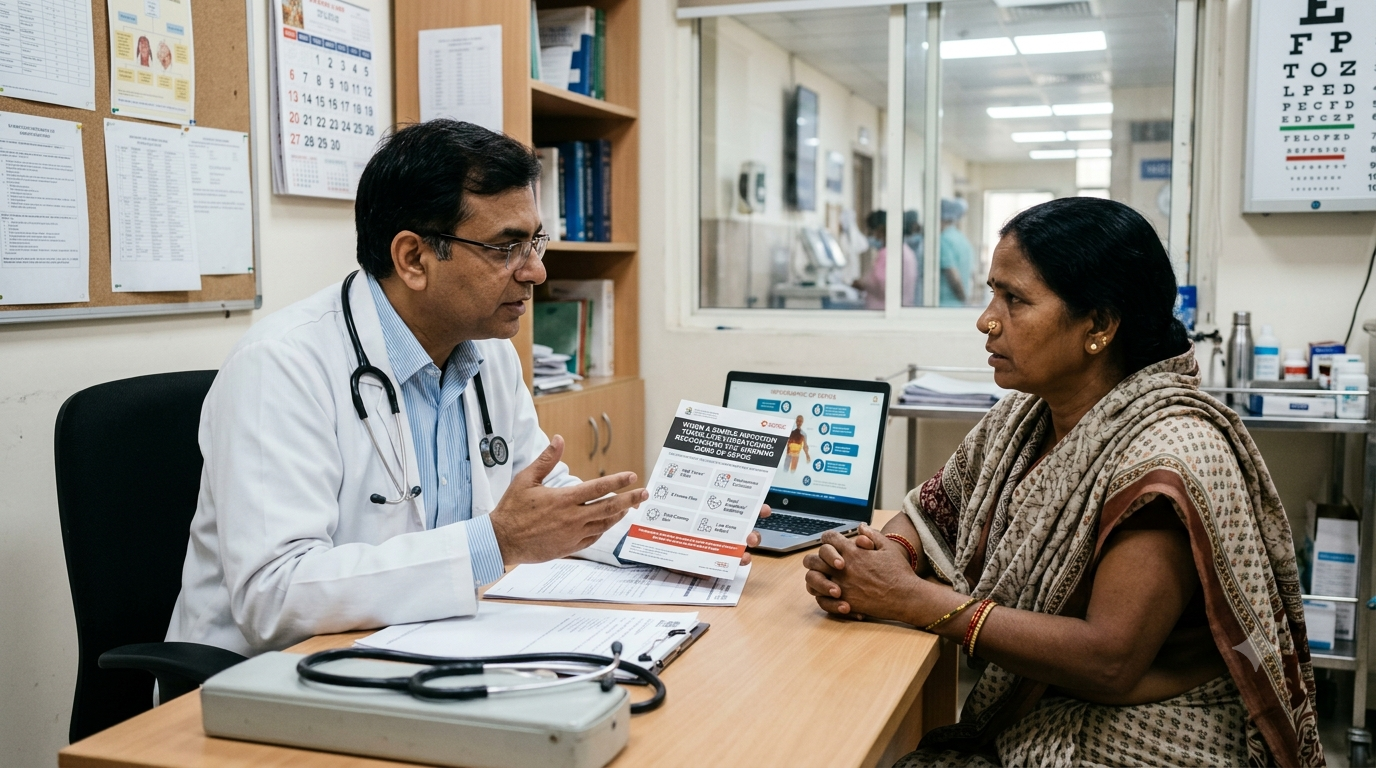
A chest infection. A urinary tract infection. A fever that has been ongoing for days. Most people experience these infections and recover with appropriate treatment. But sometimes, the body's response to an infection can spiral far beyond where it started. Instead of remaining contained, the infection can trigger a widespread response that begins affecting organs that have no connection to the original site of infection. Dr Suranjit Chatterjee, Senior Consultant, Internal Medicine, Indraprastha Apollo Hospitals, Delhi, explains that this is where sepsis can become a serious concern. Sepsis is a potentially life-threatening condition in which the body's response to an infection causes organ dysfunction. It can progress rapidly and requires early medical assessment and treatment.
The Case That Nearly Got Missed
Dr Chatterjee recalls a patient who came in with fever, a racing heart and pain suggesting a kidney infection. A urine test confirmed the infection, and treatment was started. But instead of improving, the patient's condition continued to deteriorate. The heart rate kept climbing and the blood pressure began falling. According to Dr Chatterjee, it was only after the initial diagnosis was questioned that the larger picture became clear: the infection had progressed and the patient was developing a severe systemic response. The kidney infection was real. But it was never the whole picture. Dr Chatterjee says this is an important clinical lesson: when a patient's condition continues to worsen despite treatment, doctors need to reassess the initial diagnosis and look for complications or another source of infection.
The Signs of Sepsis to Take Seriously
"Sepsis does not always announce itself dramatically in the beginning," says Dr Chatterjee. Early symptoms can resemble an infection that simply is not improving. Some warning signs that require urgent medical attention include:
- A high fever or an unusually low body temperature
- Breathing or heart rate that becomes much faster than expected
- Sudden confusion, unusual drowsiness or difficulty staying alert
- Skin that becomes pale, mottled or unusually cold
- A significant reduction in urine output over a few hours
- Extreme weakness or fatigue that seems disproportionate to the infection
Dr Chatterjee stresses that these symptoms become particularly concerning when they appear together or when a person with a known infection suddenly deteriorates.
Who Is Most at Risk?
Not everyone has the same risk of developing severe infection or sepsis. Dr Chatterjee points out that newborns, older adults and people with underlying conditions such as diabetes or kidney disease may be particularly vulnerable. People taking medicines that suppress the immune system can also be at greater risk of severe infections. In India, infections such as dengue, scrub typhus and leptospirosis can also contribute to severe illness and may need to be considered depending on the patient's symptoms, location and exposure history.
The important point, according to Dr Chatterjee, is that sepsis can develop from many different infections and is not limited to one organ or one type of infection.
When an Infection Is Not Getting Better
One of the most important warning signs is deterioration despite treatment. If someone with an infection becomes increasingly breathless, confused, unusually sleepy, weak or develops falling blood pressure or markedly reduced urine output, Dr Chatterjee advises that this should not simply be assumed to be part of the normal course of the infection. The patient may need urgent reassessment.
A diagnosis made at the beginning of an illness is not necessarily the final diagnosis. Dr Chatterjee emphasises that if the clinical picture changes, the diagnosis and treatment plan may also need to change.
Catching Sepsis Early Can Change the Outcome
There is a version of this story that ends well, and it often involves recognising deterioration early. Sepsis requires prompt medical assessment and treatment. Depending on the underlying infection and the patient's condition, treatment may involve antibiotics, intravenous fluids, oxygen, close monitoring and other supportive measures. In severe cases, intensive care may be required to support failing organs.
According to Dr Chatterjee, one of the biggest challenges is delay. Waiting to see whether the fever settles. Assuming that worsening weakness is simply part of the infection. Staying satisfied with the first diagnosis even when the patient is deteriorating. These delays can matter.
Most importantly, sepsis is not something that can be diagnosed reliably at home. A person with a suspected infection who develops sudden confusion, difficulty breathing, markedly reduced urine output, very low blood pressure, extreme weakness or rapidly worsening symptoms needs urgent medical attention. Dr Chatterjee's message is simple: when an infection suddenly takes a turn for the worse, do not ignore the change. Ask whether the patient is actually improving, whether the treatment is working and whether the infection may have progressed. Early recognition and timely medical care can make a crucial difference when an infection becomes life-threatening.
Disclaimer: This content including advice provides generic information only. It is in no way a substitute for a qualified medical opinion. Always consult a specialist or your own doctor for more information. NDTV does not claim responsibility for this information.