

)
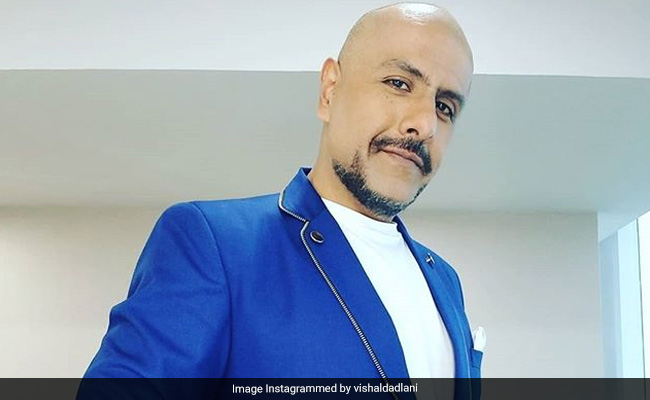
Bollywood singer and songwriter Vishal Dadlani recently opened up about one of the biggest lifestyle changes of his life, quitting smoking after smoking as many as 40 cigarettes a day. Recently, speaking to a YouTube channel, Humans of Bombay, Dadlani revealed that he simply reached a point where he was "annoyed" with himself and decided to stop for good. During the interview, he said, "I put the cigarettes down and I said I'm not smoking. That's it," he said. When asked how he managed to go from 40 cigarettes a day to zero, his answer was simple: "Because I am the boss of it." While quitting smoking is never easy, doctors say his story is proof that even long-term, heavy smokers can successfully quit, and the health benefits begin almost immediately.
Is It Really Possible To Quit After Smoking Heavily?
Dr Arjun Khanna, HOD, Pulmonology Department, Amrita Hospital, Faridabad, says, Vishal Dadlani's story is inspiring because it reflects something doctors see regularly in clinical practice. "I wasn't shocked to learn that Vishal Dadlani had quit smoking forty cigarettes a day; rather, I was inspired. As a pulmonologist, I have successfully assisted patients who had smoked for 20, 30, or even 40 years. The first day without smoking is not the most difficult part. It is the conviction that you are more powerful than nicotine," he says. He adds that many smokers wrongly believe the damage has already been done and quitting will not help. "That is simply not true. Your heart rate begins to return to normal within 20 minutes of quitting. Lung function starts improving within weeks, and within a year, the risk of heart disease drops significantly. The body has an incredible ability to heal once smoke exposure stops," he explains.
What Happens To Your Body After You Quit Smoking?
Doctors say the body starts repairing itself much sooner than most people realise. Some of the early health benefits include:
- Heart rate and blood pressure begin returning to normal within minutes.
- Carbon monoxide levels in the blood fall rapidly.
- Lung function gradually improves over the following weeks.
- Breathing becomes easier and coughing may reduce.
- The long-term risk of heart disease, stroke, chronic lung disease and several cancers steadily declines.
According to the World Health Organisation (WHO), tobacco kills more than 8 million people every year, making it one of the leading preventable causes of death worldwide.
Why It's Never Too Late To Quit
Dr Ravikumar Wategaonkar, Consultant Medical Oncologist, TGH Onco Life Cancer Centre, Talegaon, says one of the biggest myths among smokers is that quitting after years of smoking makes no difference. "It is never too late to quit smoking. Your body begins recovering once you stop using tobacco. Quitting reduces the risk of lung cancer, head and neck cancers, heart disease and stroke while improving quality of life," he adds.He adds that withdrawal symptoms can be challenging initially, but they are temporary and manageable with the right support.
Practical Tips To Quit Smoking Successfully
According to Dr Arjun Khanna, quitting smoking becomes easier when smokers focus on one craving at a time instead of worrying about quitting forever. He recommends:
- Delay every craving by about 10 minutes.
- Drink water whenever an urge strikes.
- Go for a short walk.
- Practice slow, deep breathing.
- Remove cigarettes, lighters and ashtrays from your surroundings.
- Tell family and friends about your quit plan so they can support you.
He also notes that nicotine replacement therapy and prescription medicines can significantly improve quit rates when recommended by a doctor.
Identify Your Smoking Triggers
Dr Ravikumar Wategaonkar says understanding what triggers the urge to smoke is one of the most effective strategies for quitting. Common triggers include:
- Stress
- Tea or coffee breaks
- Social gatherings
- Alcohol consumption
- Being around other smokers
Instead of smoking, he advises replacing these situations with healthier habits such as walking, reading, journaling, talking to a friend or practising relaxation exercises.
What If You Relapse?
Doctors emphasise that relapse does not mean failure. Dr Amit Chakraborty, Surgical Oncologist, says many smokers need multiple attempts before they quit permanently. "Even if you have relapsed before, you should never believe quitting is impossible. Every smoke-free day is a step towards a healthier and longer life." He recommends choosing a quit date, staying physically active, keeping healthy snacks nearby, avoiding places where people smoke and seeking professional help whenever needed.
Why Smoking Is More Dangerous Than Many People Think
Smoking affects far more than the lungs. Doctors say it increases the risk of:
- Lung cancer
- Oral cancer
- Throat and laryngeal cancers
- Oesophageal cancer
- Heart disease
- Stroke
- Chronic obstructive pulmonary disease (COPD)
- Chronic respiratory illnesses
Many of these conditions develop silently over years, which is why quitting early offers the greatest protection. Vishal Dadlani's journey from smoking 40 cigarettes a day to quitting completely is a reminder that no smoker is beyond recovery. Doctors agree that quitting is one of the most powerful decisions a person can make for their health. Whether you have smoked for months or decades, your body begins healing almost immediately after your last cigarette. As Dr Arjun Khanna puts it, "Your lungs win every cigarette you don't smoke. You don't need perfect willpower. You need one strong decision and the courage to repeat it every day."
Disclaimer: This content including advice provides generic information only. It is in no way a substitute for a qualified medical opinion. Always consult a specialist or your own doctor for more information. NDTV does not claim responsibility for this information.