

)
A 29-year-old mother shared how a rare ear condition left her struggling to hear her children after the birth of her fourth child. Madison Rei, a software engineer from Whidbey Island near Seattle, first noticed a "super loud" ringing in her ears just days after giving birth in February 2025. She initially believed the tinnitus was a temporary postpartum symptom linked to hormonal changes. However, the ringing did not go away, and her hearing gradually became worse. Within months, Madison struggled to understand conversations, needed to read her children's lips and could not hear her baby crying unless she was nearby. She even began using transcripts during work meetings and avoided busy places because she found it difficult to follow conversations.
According to a report in The Sun, she said, "I also started going to the gym early in the morning when no one was there because I didn't want people thinking I was ignoring them when they tried to talk to me. When people talked to me, I could only say 'what' or 'can you repeat that?' before it started to feel embarrassing and I would just pretend I'd heard."
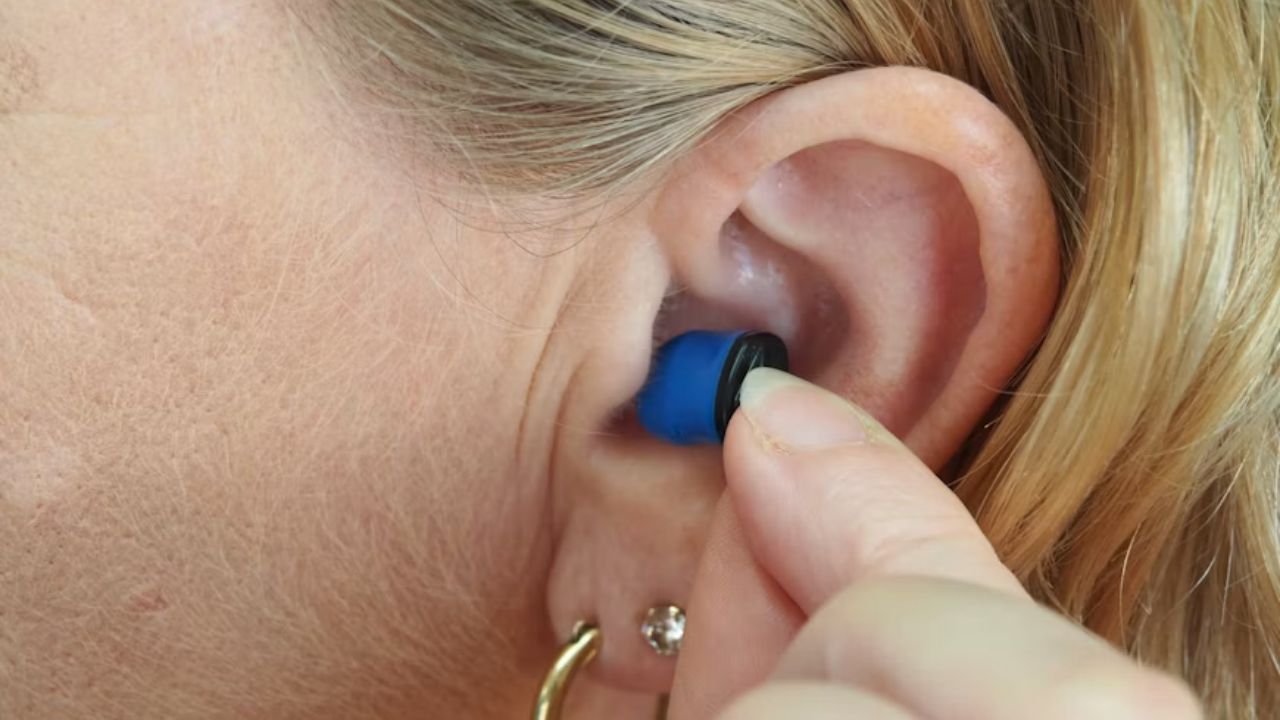
A hearing test eventually showed that Madison's hearing was well below average, prompting a referral to an ear, nose and throat specialist. She was later diagnosed with otosclerosis, a condition affecting a tiny bone in the middle ear called the stapes. As the condition progressed, hearing aids were initially considered, but her hearing deteriorated so severely that surgery became necessary. Madison underwent surgery on her worse ear in January 2026, almost a year after giving birth. Four months later, her hearing in that ear had returned to the normal range. She then underwent surgery on her second ear in June and is still recovering.
What Is Otosclerosis?
Otosclerosis is an abnormal growth or hardening of bone in the middle ear. It mostly affects the stapes, one of the three tiny bones involved in hearing. Normally, the stapes move in response to sound vibrations and help transmit these vibrations into the inner ear. In otosclerosis, abnormal bone growth can prevent the stapes from moving properly. This interferes with the transmission of sound and can lead to conductive hearing loss. In some people, the condition can also affect the inner ear and cause more severe or mixed hearing loss.
Symptoms Of Otosclerosis
Hearing loss is the most common symptom, but it may develop gradually and can initially be difficult to notice. Common symptoms include:
- Gradual hearing loss, often affecting one or both ears
- Ringing or buzzing in the ears (tinnitus)
- Difficulty understanding speech, especially in noisy places
- Feeling that people are mumbling or speaking too softly
- Dizziness or balance problems in some cases
- Needing people to repeat themselves frequently
Some people with otosclerosis may notice that they can hear certain sounds better than others. The condition can also progress over time.
What Causes Otosclerosis?
The exact cause of otosclerosis is not completely understood. It occurs when abnormal bone remodelling takes place in the middle ear.
Genetics may play an important role. The condition can run in families, although a person can develop it without having a known family history. Hormonal changes have also been investigated as a possible factor. Otosclerosis is more common in women, and some women report that their hearing changes during pregnancy. However, this does not mean pregnancy directly causes otosclerosis in every case.
Risk Factors For Otosclerosis
Certain factors may increase the likelihood of developing the condition:
- Family history: People with relatives who have otosclerosis may have a higher risk.
- Sex: Otosclerosis is more commonly diagnosed in women.
- Age: Symptoms often begin during early or middle adulthood.
- Hormonal changes: Pregnancy and other hormonal changes have been associated with changes in symptoms in some women.
- Genetic factors: Certain inherited variations may increase susceptibility.
How Is Otosclerosis Treated?
Treatment depends on the severity of hearing loss and how much the condition affects daily life.
Hearing aids may help people with hearing loss, particularly when surgery is not appropriate or when a person prefers a non-surgical option. For significant hearing loss, doctors may recommend stapes surgery, such as a stapedectomy or stapedotomy. During these procedures, the surgeon works on the affected stapes to improve the movement of sound vibrations into the inner ear.
Ringing in the ears or difficulty hearing after childbirth may have several possible causes. If symptoms continue, worsen or interfere with daily activities, an evaluation by an ENT specialist and hearing assessment can help identify the underlying problem.
Disclaimer: This content including advice provides generic information only. It is in no way a substitute for a qualified medical opinion. Always consult a specialist or your own doctor for more information. NDTV does not claim responsibility for this information.