

)
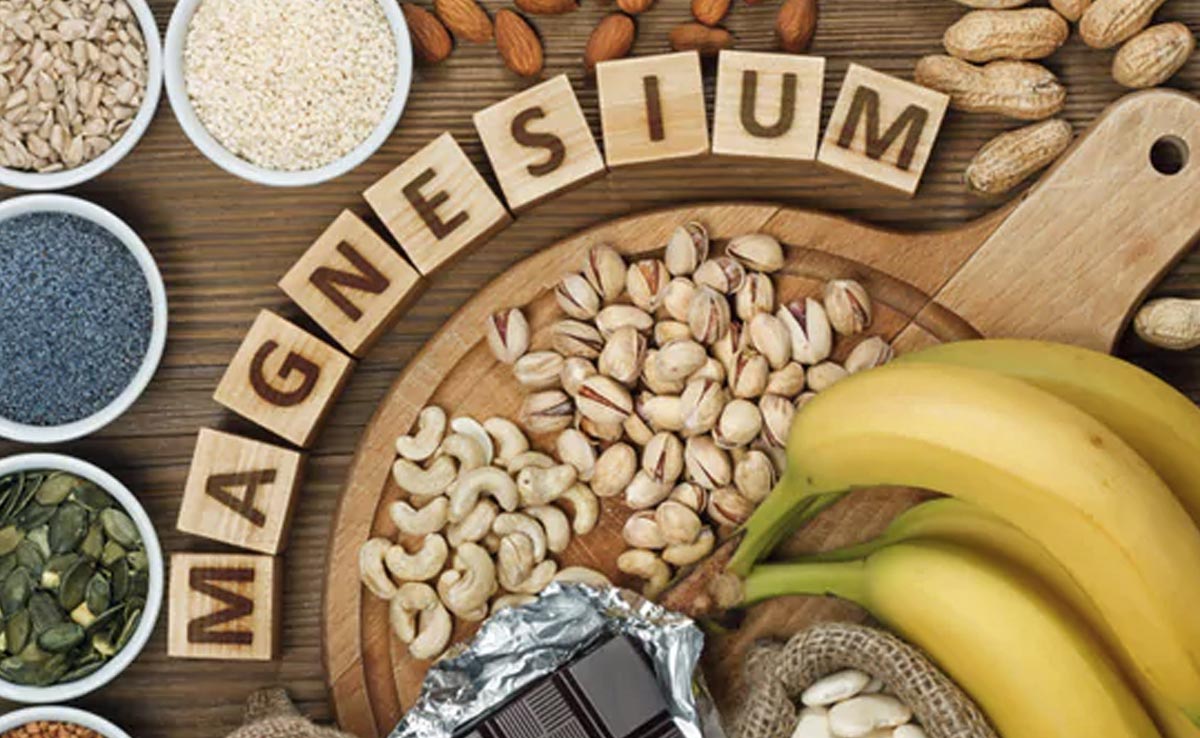
Magnesium is a very crucial mineral that is required by the body to perform several important functions. When your body lacks magnesium, you might experience muscle cramps, twitches, fatigue, weakness, and numbness or tingling, among others. Severe or prolonged deficiency can lead to serious issues, including abnormal heart rhythms, high blood pressure, osteoporosis, and mental health changes like anxiety or depression. It helps in over 300 biochemical reactions which primarily regulate muscle and nerve function, blood pressure, blood sugar control, and protein synthesis.
Magnesium also calms the nervous system, helping to improve sleep quality and reduce stress. It is very important that your diet includes magnesium-rich foods. Male adults between the age of 19-50 years should get 400-420 mg of magnesium daily. Female adults between the age of 19-50 years should get 310-320 mg of magnesium daily. Male adults above 50 should get 420 mg and women above 50 should get 320 mg. However, if you're not consuming enough magnesium-rich foods, you can always resort to magnesium supplements. It is important that you consult a medical professional before taking the supplements. Magnesium supplements can be beneficial in several ways. Here are some of the benefits of magnesium supplements.
Benefits Of Magnesium Supplements
1. Migraine Prevention
Magnesium deficiency can trigger migraines due to cortical spreading depression and platelet aggregation. This makes supplements a preventive option. Studies show reduced frequency and severity of attacks, which can be deemed 'probably effective'. Those prone to migraines often have lower serum magnesium. Hence, taking magnesium supplements can help restore levels and ease symptoms.
2. Blood Pressure Control
Magnesium supplements can help to lower lower blood pressure modestly, especially in hypertensives or diabetics. This happens because the mineral causes vasodilation and regulates heart rhythm. People taking the supplement see a drop of 2-4 mmHg in systolic and diastolic readings after 300+ mg daily for weeks. This also helps to reduce cardiovascular risk.
3. Improved Sleep Quality
Magnesium helps to calm the nervous system through GABA regulation. It helps with insomnia and poor sleep, particularly in older adults. 320-720 mg daily supplements can reduce sleep onset time and improve sleep duration by helping in melatonin production and muscle relaxation. Low levels can exacerbate stress-related sleep issues.
4. Reduced Anxiety and Mood Boost
Magnesium helps regulate cortisol and neurotransmitters, thereby, easing mild anxiety and depression symptoms. A study with 248 mg daily significantly lowered anxiety, while higher intake reduced 15-20% depression risk. This happens due to its calming effect on brain signaling and adrenal function.
5. Blood Sugar Management
Magnesium improves insulin sensitivity, which is crucial for type 2 diabetes prevention and control. A deficiency in this mineral can worsen glucose metabolism. Studies show 100 mg extra daily can help reduce diabetes risk by 15%, with supplements improving fasting glucose.
6. Bone Health Support
It also helps in calcium absorption and bone mineralisation, which boosts bone density and counters risks of osteoporosis. Postmenopausal women supplementing 290 mg daily saw improved bone turnover, while low serum levels increased risks of fractures. About 60% of body magnesium resides in bones, making it important alongside vitamin D.
7. Muscle Function and Cramp Relief
Magnesium supplements can help prevent cramps, spasms, and fatigue by helping in muscle relaxation and nerve signaling. Athletes and elderly can benefit from reduced nighttime leg cramps, as magnesium helps balance calcium for contraction control. Deficiency causes contractions and weakness, which can be resolved with consistent intake of supplements.
8. Reduced Risk Of Heart Disease
Higher magnesium reduces risk of sudden cardiac death and stroke. This happens because magnesium helps to steady rhythms and reduces inflammation. Magnesium also helps in energy production and reduces oxidative stress in cardiac tissue.
Disclaimer: This content including advice provides generic information only. It is in no way a substitute for a qualified medical opinion. Always consult a specialist or your own doctor for more information. NDTV does not claim responsibility for this information.