

)
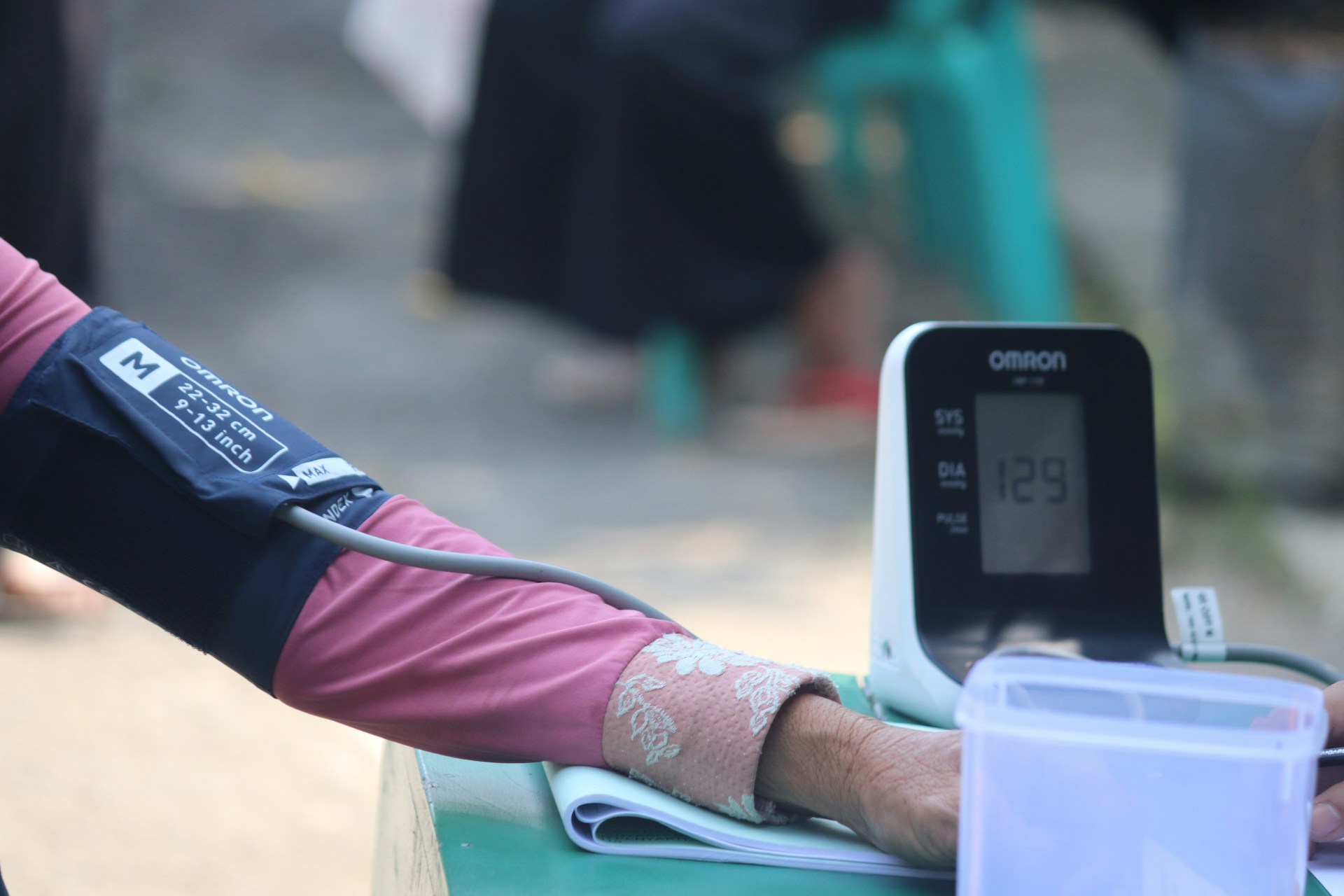
Blood pressure (BP) is a vital marker of cardiovascular health, yet many people misunderstand what constitutes normal versus too high or too low. Simply put, blood pressure measures the force your blood exerts against the walls of your arteries as the heart pumps and rests between beats. A typical adult BP reading is written as two numbers, systolic (top)over diastolic (bottom), measured in millimetres of mercury (mm Hg). The American Heart Association (AHA) defines normal blood pressure as systolic less than 120 mm Hg and diastolic less than 80 mm Hg, a range linked with lower long-term risk of heart attack, stroke and kidney disease.
However, blood pressure readings consistently above or below this range can signal underlying health issues. High blood pressure (hypertension), often called the silent killer, may not cause symptoms until it damages organs, while low blood pressure (hypotension) can lead to dizziness or fainting and, in severe cases, organ under-perfusion. Recognising what counts as normal, elevated, high or low BP, along with associated risks and symptoms, empowers you to take proactive steps for better cardiovascular health.
Understanding Blood Pressure Numbers
Blood pressure readings consist of two values:
- Systolic BP: The top number, representing pressure when the heart contracts and pumps blood.
- Diastolic BP: The bottom number, representing pressure when the heart relaxes between beats.
Both values are important. A reading is always written as "systolic/diastolic mm Hg" (for example, 120/80 mm Hg).
What Is Normal Blood Pressure?
According to the American Heart Association, the ideal blood pressure for most adults is:
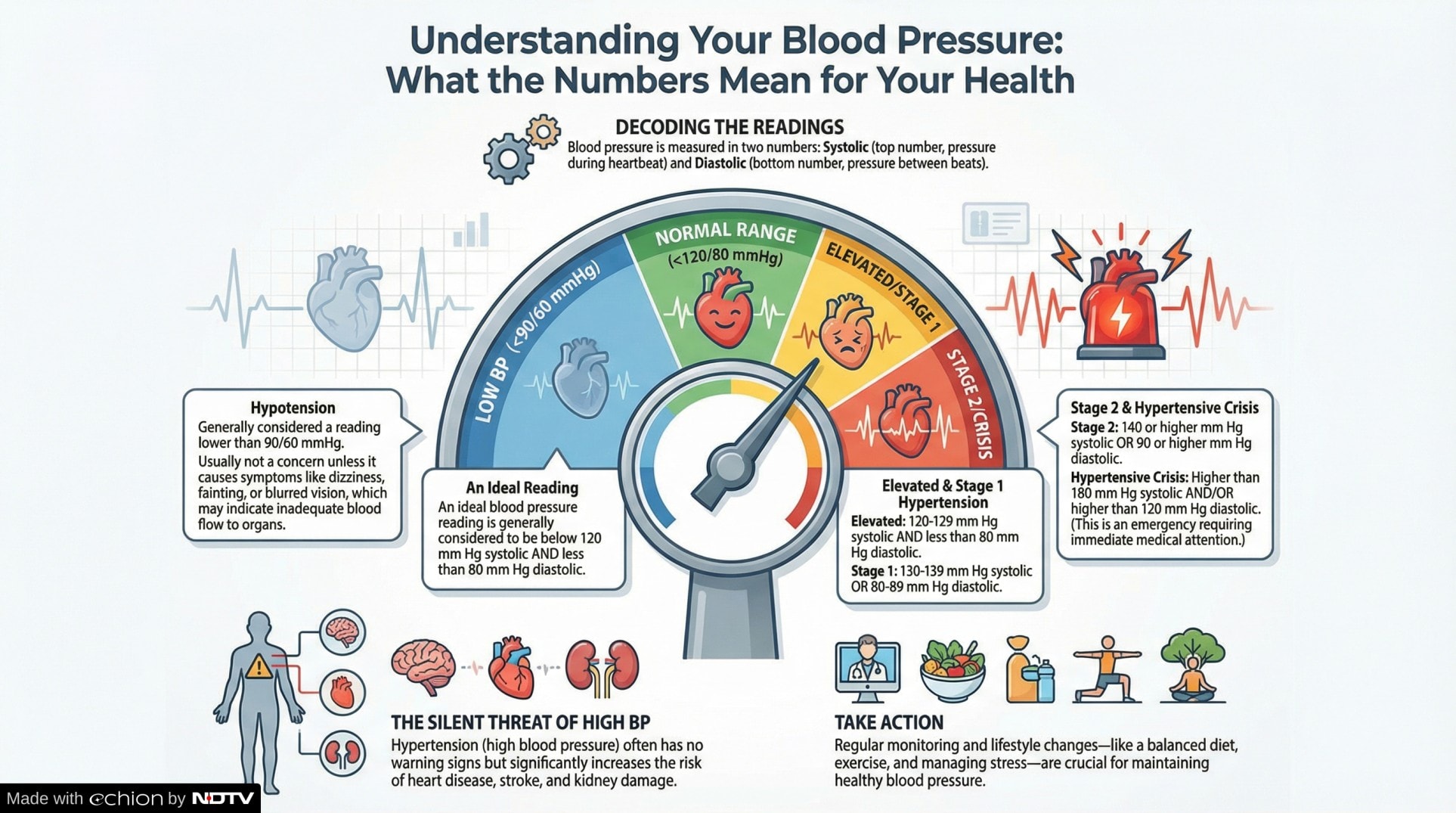
- Normal: Systolic less than 120 mm Hg and diastolic less than 80 mm Hg.
In this range, the heart and arteries face relatively low stress, reducing long-term risk of cardiovascular problems. Maintaining a normal reading through healthy diet, regular activity and stress management can stave off disease and improve quality of life.
Also Read: Health Decoder: Understanding Blood Pressure Readings The Right Way
When Blood Pressure Is Too High: Hypertension Stages
High blood pressure, or hypertension, occurs when your readings consistently exceed normal ranges. The AHA classifies high BP into categories:
- Elevated: Systolic 120-129 mm Hg and diastolic less than 80 mm Hg
- Stage 1 Hypertension: Systolic 130-139 mm Hg or diastolic 80-89 mm Hg
- Stage 2 Hypertension: Systolic 140 mm Hg or higher or diastolic 90 mm Hg or higher
- Hypertensive crisis: Systolic higher than 180 and/or diastolic higher than 120, which means emergency care is needed.
Persistent hypertension forces the heart and blood vessels to work harder, increasing risk for heart attack, stroke, heart failure, kidney disease and vision loss. Because many people have no symptoms, regular monitoring is essential.
When Blood Pressure Is Too Low: Hypotension Explained
Low blood pressure, or hypotension, is generally defined as a reading below 90/60 mm Hg. Unlike hypertension, hypotension sometimes causes symptoms, especially when pressure drops too low for adequate blood flow to the brain and other organs.
Common symptoms include:
- Dizziness or lightheadedness
- Fainting
- Blurred vision
- Fatigue or weakness
- Nausea
If hypotension occurs suddenly, it may signal dehydration, serious infection, blood loss, heart problems or severe allergic reactions. In extreme cases, it can lead to shock, requiring urgent medical care.
Many people with naturally low BP have no symptoms and do not require treatment, but symptomatic hypotension warrants evaluation.
Why Readings Matter: Risks and Consequences
Both high and low blood pressure can impact your health.
High Blood Pressure Risks
- Increased arterial stress can accelerate atherosclerosis (hardening of arteries)
- Heightened likelihood of heart attack, stroke and kidney damage
- Greater strain on the heart muscle, increasing risk of heart failure
Because hypertension is often symptomless, many who have it remain undiagnosed until complications occur.
Also Read: Got Low Blood Pressure? Here's Why Taking A Flight May Be Risky For You
Low Blood Pressure Risks
- Reduced blood flow to vital organs can cause cognitive impairment and falls
- Sudden hypotension can be life-threatening if due to shock or severe conditions
- Chronic low BP with symptoms may signal heart, endocrine or neurological issues
How Often Should You Check Your Blood Pressure?
Experts recommend adults, especially those over 40 or with risk factors (family history, obesity, diabetes, sedentary lifestyle), monitor BP regularly, whether at home or during healthcare visits. Home monitoring often provides a more accurate picture of typical BP than occasional clinic checks, which can be influenced by stress or "white coat effect".
Accurate tracking helps identify trends early and informs lifestyle or medical interventions.
Understanding your blood pressure readings and categories - normal, elevated, hypertension stages, and hypotension - empowers you to make informed health decisions. Normal adult BP is typically below 120/80 mm Hg, but both high and low extremes can pose risks. Regular monitoring, lifestyle modifications and prompt medical evaluation when readings stray outside the normal range can protect your heart and organs long-term. Knowing your numbers and how to interpret them is a cornerstone of preventive health.
Disclaimer: This content including advice provides generic information only. It is in no way a substitute for a qualified medical opinion. Always consult a specialist or your own doctor for more information. NDTV does not claim responsibility for this information.