

)
Low blood pressure, also known as hypotension, is a condition wherein the force of blood pushing against the artery wall is too low. When your blood pressure reading is below 90/60 mm Hg, it is known as low blood pressure. Hypotension can happen either as a condition on its own or as a symptom of other conditions. Usually, low blood pressure doesn't have any symptoms, but it might cause dizziness and fainting. The blood pressure can be extremely low, in some cases, wherein it becomes life-threatening. Hence, it is important that you get treated for the condition.
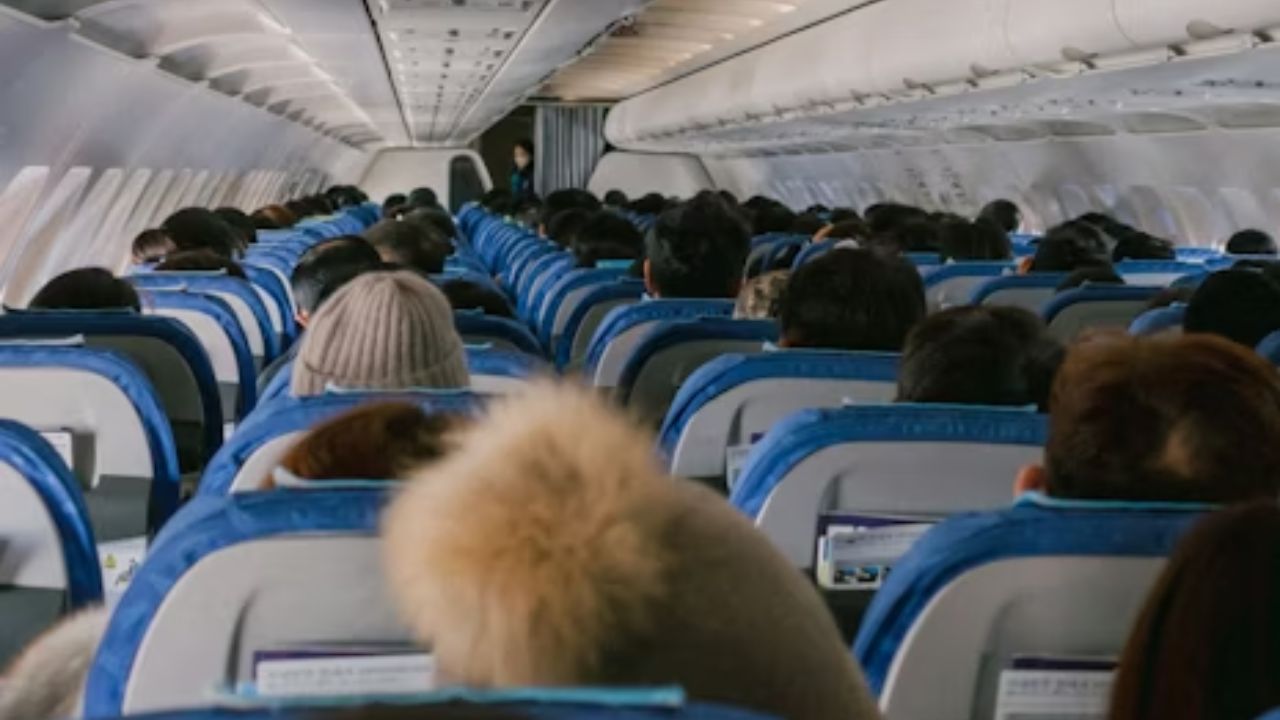
Low blood pressure doesn't have any significant impact on your overall health and well-being, unless the condition is extremely serious. However, people with low blood pressure might have a risk when they're flying. This happens due to various reasons, which includes cabin pressure and dehydration, among others. Read on to know why people with low blood pressure have a risk when flying.
Cabin Pressure Lowers Oxygen
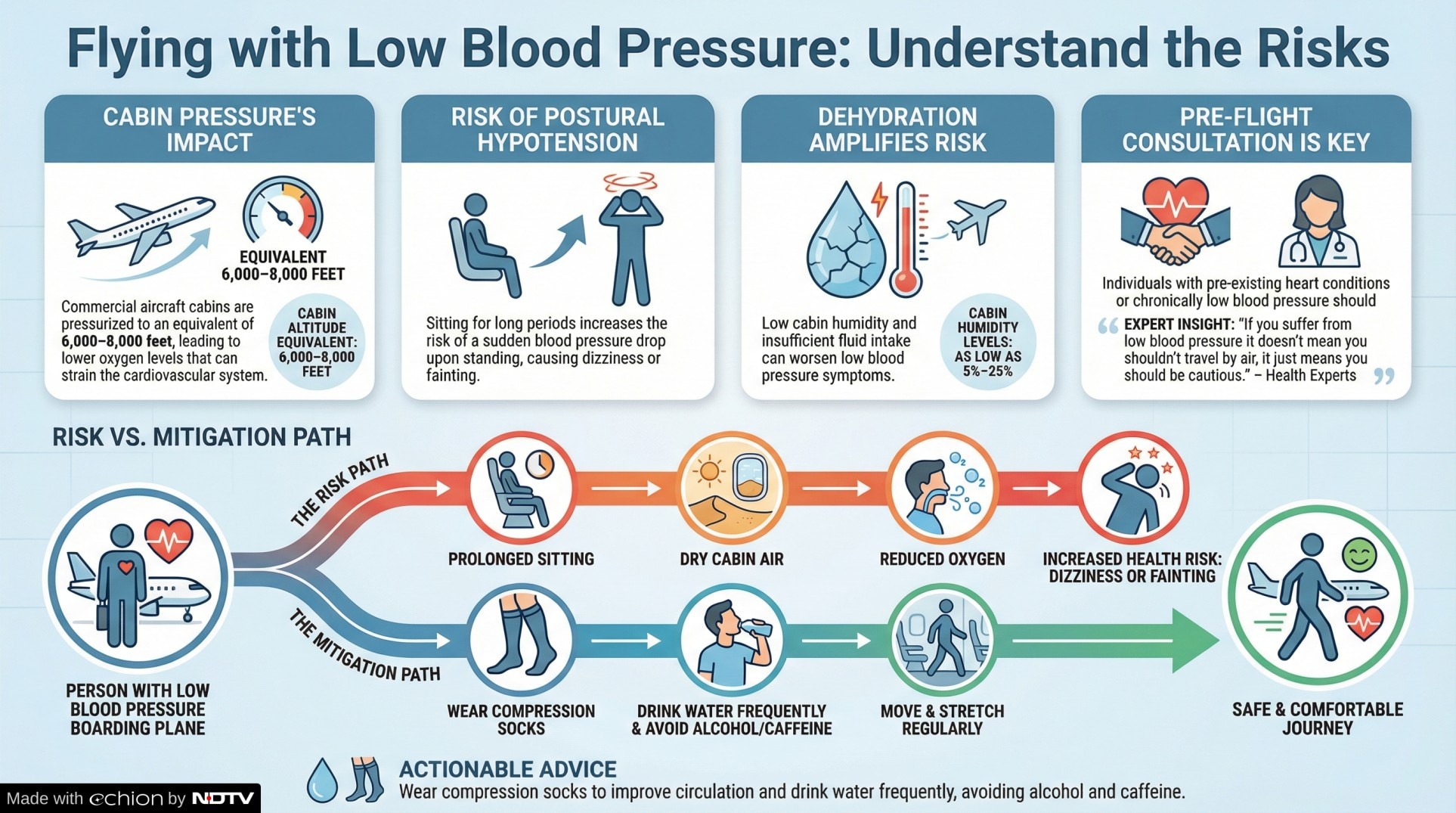
Airplane cabins maintain pressure that is equivalent to 5,000-8,000 feet elevation, reducing oxygen levels. For those with low blood pressure, this hypobaric hypoxia impacts the heart, forcing it to pump harder just to deliver oxygen-rich blood to different parts of the body. Blood vessels may constrict unevenly, dropping pressure further. This can eventually lead to lightheadedness or nausea. Flights also have low humidity levels which often drop to 10-20%. This dries out airways and skin, accelerating dehydration that thickens blood and worsens hypotension symptoms.
Drop In Orthostatic Pressure
When you stand suddenly, you might witness postural hypotension, as blood pools in the legs due to prolonged sitting. Narrow aisles, bumpy turbulence, and crowded cabins increase fall risks during these sudden drops. Also, immobility stiffens muscles, affecting venous return to the heart, which delays pressure recovery. This explains why fainting tops in-flight medical calls, especially mid-flight when bodies are most stressed.
Dehydration
Cabin air reduces moisture rapidly and passengers lose water on long hauls without refilling. Dehydrated blood flows sluggishly, straining an already low-pressure system and causing blurred vision or confusion. Make sure you avoid alcohol and caffeine as these diuretics compound fluid loss. Poor hydration also thickens blood, subtly increasing risk of clot like deep vein thrombosis (DVT), which is a threat for hypotensives with sluggish circulation.
Symptom Flare-Ups
Dizziness, weakness, cold sweats, and rapid heartbeat are all signs of hypotension, which escalate in flight. Reduced oxygen mimics anaemia effects, lowering energy and focus. Heart conditions or medications like beta-blockers increase these risks as they already lower pressure responses. Long-haul flyers have added strain.
Pre-Flight Prep
Consult your doctor, especially if your symptoms affect daily life. Get cleared for travel and discuss medicines as some flyers face risks. Hydrate well, drink 8-16 ounces hourly prior to boarding. Pack electrolyte packets or salty snacks to improve blood volume up naturally. Compression socks can help prevent leg pooling; wear them pre-takeoff.
In-Flight Survival Tactics
Book an aisle seat near lavatories. Every 1-2 hours, walk the aisle or do seated ankle pumps, calf raises, and knee lifts to improve blood flow. Drink water and set phone alarms. Eat light and balanced meals. Avoid heavy carbs that divert blood to digestion. Brace against seats when standing, flexing legs first for better circulation. Cool wipes can also help keep away stuffiness and loose clothing reduces vessel compression.
Post-Flight Recovery
Land and rehydrate immediately. Walk briskly and monitor for lingering dizziness. If you see any symptoms persist, check with a doctor.
Disclaimer: This content including advice provides generic information only. It is in no way a substitute for a qualified medical opinion. Always consult a specialist or your own doctor for more information. NDTV does not claim responsibility for this information.