

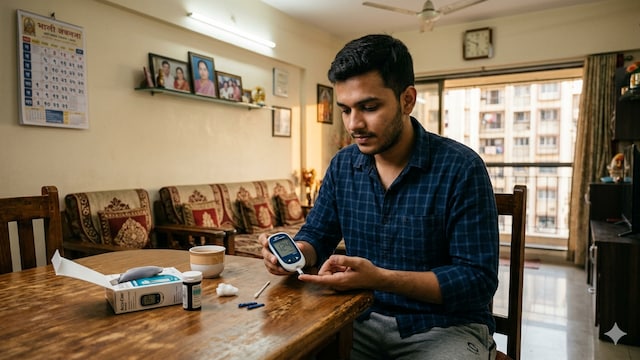
When we say diabetes, we talk only about blood sugars. But, diabetes is a syndrome and is rarely an isolated problem. It is a metabolic disorder which includes the liver, heart and blood vessels.
This is a major concern in countries like India, where there is an increasing prevalence of diabetes even in the younger population. On the occasion of World Diabetes Day, we must look at diabetes as more than just blood sugars and understand the close link between diabetes, fatty liver and heart disease.
The link begins with insulin resistance. Before type 2 diabetes develops, insulin resistance begins very early. During this period, individuals may develop abdominal fat, high cholesterol levels, high blood pressure and other associated abnormalities.
These issues affect many organs and also lead to diabetes, fatty liver and heart diseases. Keeping this in mind, we must not stop diabetes testing with only blood sugars and HbA1c levels. Diabetes screenings must include blood pressure, lipid profile, waist circumference, body weight, microalbuminuria, eGFR (estimated glomerular filtration rate), tests related to the liver, liver scans and tests related to the heart. Kidney health should also be covered as part of diabetes screening and management.
Fatty liver - A metabolic warning sign:
Fatty liver is another important piece of this puzzle. This condition is often called metabolic dysfunction-associated steatotic liver disease (MASLD), where excess fat deposits around the liver along with other metabolic risk factors like diabetes, obesity, hypertension or abnormal lipid profile.
Fatty liver often does not show any symptoms. Most of the cases are discovered during a periodic health check-up. However, it is considered a marker of wider metabolic dysfunction. This has more significance and relevance for people with type 2 diabetes.
READ | Celebrities With Type 2 Diabetes: How Timely Diagnosis And Treatment Helps
Where does the heart fit in?
The third angle of this triangle is heart-related disorder. Diabetes is itself a risk factor for heart disease and stroke. But, the risk gradually increases soon after the diagnosis of diabetes. It can be silent for years and slowly build up due to insulin resistance, high BP, lipids and excess visceral fat.
The combination of these disorders increases fat accumulation in the liver and can lead to an increased risk of cardiovascular disorder.
READ | Is Your HbA1c Misleading You? Why Your Blood Sugar Test May Not Tell The Whole Story
Why do Indians need to be cautious:
Indians have a unique challenge as metabolic risks can be seen even in people who maintain an ideal body weight. Indians are more prone to having abdominal and visceral fat accumulation, and metabolic abnormality can occur in people with lower BMI levels.
Unhealthy lifestyle, sedentary behaviour, lack of exercise and increased intake of processed and ultra-processed foods can increase the risk further.
Early action can change the future:
We must identify these issues early to start prevention. Screenings can include blood glucose levels, HbA1c, BP, lipid profile, waist circumference, microalbuminuria, eGFR (estimated glomerular filtration rate), liver scan and heart-related tests like ECG, ECHO and treadmill tests.
However, screening is only the beginning. We must:
- Be physically active
- Maintain a healthy weight
- Consume a balanced diet rich in vegetables, fruits, whole grains and pulses.
- Reduce the intake of sugary foods and processed foods
- Avoid smoking and alcohol
- Have adequate sleep
- Manage stress properly to help prevent metabolic abnormalities. Stop treating these conditions in isolation.
READ | Diabetes And Muscle: Why Building Strength Could Be As Important As Watching Your Blood Sugar
Diabetes, fatty liver and heart disease are often interlinked by the same underlying metabolic dysfunction.
By identifying this connection early, we get a chance to treat early and protect all the organs. For India, early action must not start after complications occur. The time to address this is now!
(Padma Shri Dr V Mohan, Chairman of Dr. Mohan's Diabetes Specialities Centre)
Disclaimer: The opinions expressed within this article are the personal opinions of the author. NDTV is not responsible for the accuracy, completeness, suitability, or validity of any information on this article. All information is provided on an as-is basis. The information, facts or opinions appearing in the article do not reflect the views of NDTV and NDTV does not assume any responsibility or liability for the same.