

Delhi's pollution season is approaching, and for many residents, the change in air quality brings more than just a hazy sky. As pollution levels rise, people may experience coughing, throat irritation, wheezing, breathlessness, chest discomfort, headaches and worsening of existing respiratory conditions. While occasional exposure to polluted air does not automatically mean that a person has developed lung disease, repeated and prolonged exposure can put significant stress on the respiratory system. This raises an important question: should people living in Delhi get their lungs tested during or before the pollution season?
The answer depends largely on a person's symptoms, age, medical history, occupation and level of exposure. Lung testing is not necessarily required for every healthy individual simply because pollution levels are high. However, people who frequently experience respiratory symptoms, have asthma or chronic obstructive pulmonary disease (COPD), are smokers or exposed to second-hand smoke, work outdoors, or spend long hours in areas with heavy traffic may benefit from a medical evaluation. Children, older adults and people with pre-existing heart or lung conditions also need to be more cautious because they may be more vulnerable to the effects of air pollution.
One of the most useful tests for evaluating lung function is spirometry. It is a simple, non-invasive breathing test that measures how much air a person can inhale and exhale and how quickly they can blow air out of their lungs. Spirometry can help doctors identify patterns suggestive of conditions such as asthma or COPD and can also be useful for monitoring people who already have a diagnosed respiratory condition. It is particularly relevant when a person has persistent cough, recurrent wheezing, unexplained breathlessness or reduced exercise tolerance.
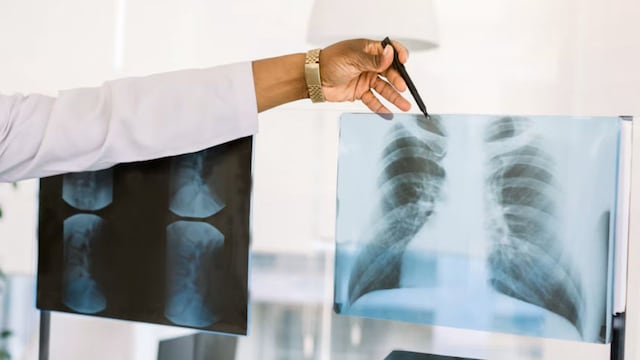
However, lung health cannot be assessed through a single test alone. A doctor may begin with a detailed history and physical examination and decide whether spirometry or another investigation is appropriate. Depending on symptoms and clinical findings, additional tests such as a chest X-ray, oxygen saturation measurement, allergy evaluation or other pulmonary function tests may be recommended. A chest X-ray, for instance, may help identify certain structural abnormalities or infections, but it is not a routine screening test for pollution exposure in otherwise healthy people. The right test should therefore be based on symptoms and medical assessment rather than fear caused by poor air quality.
A common misconception is that if someone does not cough, their lungs must be completely healthy. This is not always true. Some respiratory problems can develop gradually, and early changes may not produce obvious symptoms. People who smoke, have significant occupational exposure to dust or chemicals, or have a history of recurrent respiratory illness should not ignore subtle changes such as getting breathless while climbing stairs, reduced stamina, frequent chest congestion or a cough that keeps returning. These symptoms deserve attention, particularly if they persist beyond a short period.
Pollution can also aggravate conditions that may already be present. Fine particulate matter, especially PM2.5, can penetrate deep into the respiratory system and trigger inflammation. In people with asthma, exposure can increase the frequency or severity of symptoms. Those with COPD may experience worsening breathlessness or flare-ups. Even people without diagnosed lung disease may notice irritation and temporary respiratory symptoms during periods of severe pollution. This does not mean that every episode of coughing represents permanent lung damage, but persistent or worsening symptoms should not be dismissed as simply "Delhi pollution."
There are also practical signs that indicate when a person should seek medical advice rather than simply waiting for pollution levels to improve. Breathlessness at rest, significant wheezing, persistent chest tightness, coughing up blood, bluish lips, severe chest pain or a sudden deterioration in breathing requires prompt medical attention. A cough or breathing difficulty that continues for several weeks also deserves evaluation. People who repeatedly require inhalers or other medication during pollution episodes should discuss a preventive management plan with their doctor rather than relying only on temporary relief.
For those who are healthy and symptom-free, the focus should generally be on reducing exposure rather than undergoing unnecessary tests. Checking daily air-quality levels can help people plan outdoor activities. During periods of poor air quality, limiting prolonged outdoor exercise, particularly near busy roads, can reduce exposure. Keeping indoor spaces adequately ventilated when outdoor pollution is lower, reducing indoor smoke and avoiding incense, cigarette smoke and other sources of particulate matter can also help. Properly fitted masks designed to filter fine particles can provide additional protection when outdoor exposure cannot be avoided.
Air purifiers may help reduce indoor particulate pollution, particularly when doors and windows are kept closed during severe pollution episodes, but they should not be considered a substitute for medical treatment or exposure reduction. Similarly, drinking water, steam inhalation or consuming certain foods cannot "detox" the lungs or remove particulate matter that has been inhaled. The lungs have their own natural defence and clearance mechanisms, but reducing exposure remains the most important preventive step.
Delhi's pollution season should therefore not create unnecessary panic, but it should encourage people to pay closer attention to their respiratory health. A lung function test such as spirometry can be valuable when there are symptoms or risk factors, but routine testing for every person is not automatically necessary. The better approach is to identify who is at higher risk, recognise early warning signs and seek medical evaluation when symptoms persist.
Ultimately, lung health is not determined by one pollution season alone. Smoking, occupational exposure, recurrent infections, allergies, physical activity, underlying diseases and long-term air quality all contribute to respiratory health. If you are experiencing a persistent cough, unexplained breathlessness, wheezing, reduced exercise capacity or repeated respiratory flare-ups this pollution season, speak to a doctor about whether lung function testing is appropriate. Early evaluation can help identify treatable problems, establish a baseline of lung function and allow timely management before symptoms become more disruptive.
(By Dr Pankaj Chhabra, Director & Head - Pulmonology & Sleep Medicine, Sarvodaya Hospital, Sector-8, Faridabad)
Disclaimer: The opinions expressed within this article are the personal opinions of the author. NDTV is not responsible for the accuracy, completeness, suitability, or validity of any information on this article. All information is provided on an as-is basis. The information, facts or opinions appearing in the article do not reflect the views of NDTV and NDTV does not assume any responsibility or liability for the same.