

)
If July 2026 proved anything, it's that health news is no longer confined to hospitals or scientific journals, it affects what we eat, how we commute, what diseases we should watch for, and even the technologies shaping our future healthcare.
This month, NDTV Lifeline tracked stories that sparked nationwide conversations, highlighted emerging public health threats, explained complex diseases in simple language, and decoded major medical breakthroughs. Some were driven by outbreaks, others by global research or celebrity diagnoses. But all had one thing in common: they mattered because they helped readers understand risks before they became personal.
Here's our editorial pick of the 10 biggest health stories of July
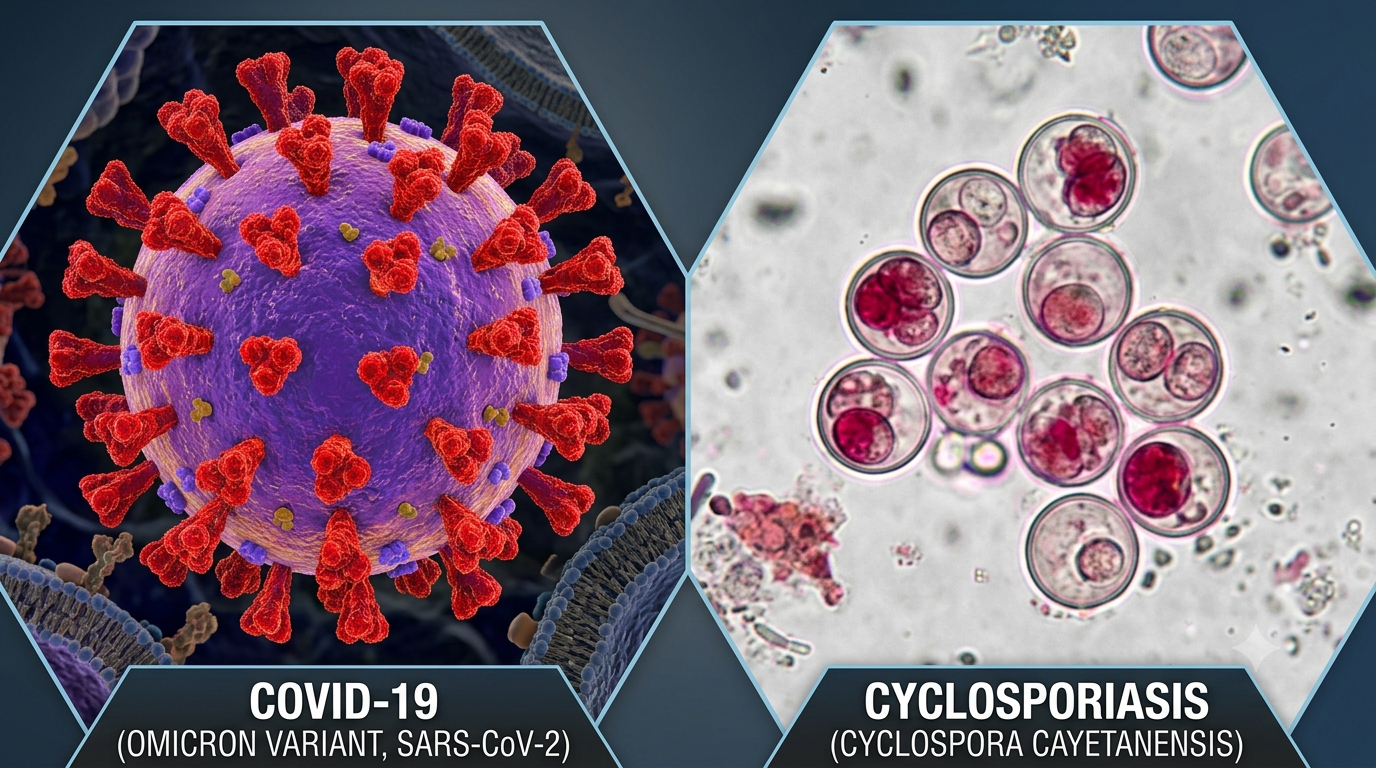
- Explosive Diarrhoea: Why Cyclospora Became The Parasite Everyone Was Talking About | A microscopic parasite called Cyclospora grabbed global attention after causing outbreaks linked to contaminated food. Our coverage explained why the infection can trigger unusually severe or "explosive" diarrhea in some people, the symptoms to watch for, and whether India could face a similar threat.
- Covid-19 Was Back In The Headlines | Several Indian states reported fresh COVID-19 cases in July, prompting questions many thought they'd left behind. Should you wear a mask again? Is Covid now just like the flu? And what are doctors seeing in hospitals? NDTV Lifeline answered these questions through expert-backed explainers from across the country.
- Karnataka's HIV Report Sparked Fresh Concern | A government report showing nearly 2 lakh people on HIV treatment in Karnataka highlighted the continued burden of HIV in India. Beyond the numbers, the story explored why testing, early diagnosis and awareness remain essential, particularly among young people and vulnerable communities.
- Chandipura Virus Returned After Child Deaths | The Chandipura virus outbreak in Gujarat once again raised alarm after multiple child deaths. We explained how the virus spreads, why children are especially vulnerable, its symptoms, and the importance of seeking immediate medical care if warning signs appear.
- India Got Its First Once-Weekly Insulin | One of the biggest treatment breakthroughs this month came with the launch of the world's first once-weekly insulin in India. The innovation has the potential to reduce the burden of daily injections for many people living with diabetes, although doctors say it won't be suitable for everyone.
- AI Took Another Leap In Heart Care | Artificial intelligence continued to transform healthcare after the US FDA approved an AI-powered tool capable of detecting hidden heart conditions before symptoms develop. Our report explored what the technology does, how accurate it is, and whether such tools could eventually become part of routine healthcare.
- Bryan Johnson's Diagnosis Put A Rare Disease In Focus | Longevity influencer Bryan Johnson revealed he had been diagnosed with autoimmune gastritis, bringing a little-known condition into the spotlight. We unpacked what autoimmune gastritis is, its symptoms, complications and why the body's immune system can mistakenly attack the stomach lining.
- Delhi's Air Had A New Pollutant To Worry About | While PM2.5 often dominates pollution discussions, July saw doctors warn about rising ground-level ozone across Delhi-NCR. Our story explained why this invisible gas can irritate the lungs, trigger coughing and worsen respiratory illnesses, particularly during summer months.
- Assam Emerged As A Cancer Survival Success Story | In a rare piece of positive public health news, Assam recorded the country's highest number of cancer survivors. We explored the reasons behind the encouraging trend, including improved screening, better treatment access and stronger cancer care programmes.
- When Social Media Started Influencing Healthcare Decisions | Health trends didn't just come from hospitals this month. Viral skincare routines gave rise to conversations around Cosmeticorexia, while diet and fitness misinformation continued spreading online. Our experts explained why blindly following social media health advice can sometimes do more harm than good.
From infectious diseases and environmental threats to cutting-edge treatments and digital health, July's biggest stories reflected how quickly the health landscape is changing. Looking back, July wasn't dominated by a single disease outbreak. Instead, it revealed a changing healthcare landscape.
Disclaimer: This content including advice provides generic information only. It is in no way a substitute for a qualified medical opinion. Always consult a specialist or your own doctor for more information. NDTV does not claim responsibility for this information.