

)
Karnataka has one of the highest HIV burdens in India, with around 2.60 lakh people estimated to be living with HIV in the state. However, according to the National AIDS Control Organisation's (NACO) Sankalak: Status of National AIDS and STD Response 2024, only around 2.05 lakh people are receiving antiretroviral therapy (ART). This leaves a significant gap between the number of people estimated to be living with HIV and those receiving treatment. According to media reports, Karnataka is third among Indian states in terms of the number of people living with HIV. The focus on students and young adults comes at a time when health authorities are trying to encourage more people to understand their HIV risk and get tested without fear or stigma.
Why Are Students And Young Adults In Focus?
As part of the state's Mobilisation for AIDS Suraksha (MAS) campaign, students can scan a QR code to confidentially assess their HIV risk based on their behaviour and possible exposure. The tool is intended to encourage people to seek timely testing and connect them with nearby healthcare services when required. Such initiatives can be particularly important for young people because HIV may not cause obvious symptoms for years. Someone can feel completely healthy while unknowingly living with the infection and potentially transmitting it to others.
How Does HIV Spread?
According to Dr Neha Rastogi, Senior Consultant, Infectious Diseases, Fortis Memorial Research Institute, Gurugram, HIV is primarily transmitted through certain types of exposure to infected blood or body fluids. The main routes of transmission include:
- Unprotected sexual contact with an infected person
- Sharing contaminated needles or syringes
- Transfusion of infected blood or blood products
Mother-to-child transmission during pregnancy, childbirth or breastfeeding when preventive treatment is not provided. Importantly, HIV does not spread through casual contact such as hugging, shaking hands, sharing food or sitting beside someone living with HIV.
Why Is Early HIV Testing Important?
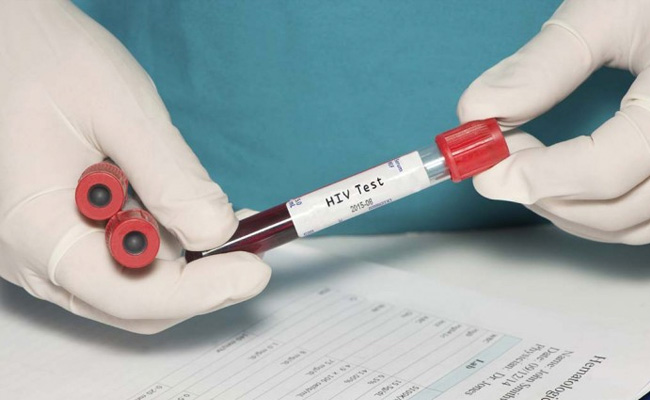
One of the biggest challenges in controlling HIV is that people may not realise they have the infection. Early testing allows people who test positive to begin treatment at the right time and take steps to protect their health and prevent transmission. Modern antiretroviral therapy can suppress HIV to very low levels, allowing people living with HIV to lead longer and healthier lives. Dr Rastogi said, "The rise in HIV cases in Assam is a public health concern that highlights the need for greater awareness, early testing, and preventive measures." While her comment refers to Assam, the broader message applies to HIV prevention across India: awareness and timely testing remain crucial tools in reducing the impact of the infection.
What Is The 95-95-95 Target?
The global HIV response has focused heavily on the so-called 95-95-95 targets. The goal is to ensure that:
- 95% of people living with HIV know their HIV status.
- 95% of people who know they are HIV-positive receive sustained antiretroviral therapy.
- 95% of people receiving treatment achieve viral suppression.
These targets are designed to close gaps at every stage from diagnosis to treatment and successful control of the virus. Karnataka's estimated gap of nearly 54,000 people who may not know their HIV status shows why the first 95% target remains particularly important.
HIV Treatment Has Come A Long Way
The global HIV response has made significant progress over the past few decades. According to UNAIDS, around 78% of the estimated 40.9 million people living with HIV worldwide are currently receiving treatment. This represents a major improvement compared with previous decades, when access to effective HIV medicines was far more limited. Speaking at the opening of a high-level meeting, UNAIDS Executive Director Winnie Byanyima urged countries to build on the progress achieved over the past 25 years. "This political declaration is our chance to build on 25 years of commitment and point the way to 2030 to show that multilateralism can deliver," she said.
What Karnataka's Numbers Mean
The figures from Karnataka highlight an important distinction: identifying people living with HIV is only the first step. Ensuring that those who are infected know their status, receive treatment and remain connected to healthcare is equally important. For young adults and students, understanding how HIV spreads, knowing when testing may be appropriate and seeking medical advice after a potential exposure can help prevent delayed diagnosis.
Karnataka's estimated 2.60 lakh people living with HIV and around 2.05 lakh people receiving ART highlight both the progress and the remaining gaps in the state's HIV response. HIV is a manageable chronic infection when diagnosed early and treated appropriately. Expanding confidential testing, reducing stigma and ensuring that people who test positive are promptly linked to treatment will be key to closing the gap and moving closer to the 95-95-95 targets. As global HIV efforts continue to push towards 2030, Karnataka's numbers serve as a reminder that "we cannot fail" when it comes to awareness, testing and access to treatment.
Disclaimer: This content including advice provides generic information only. It is in no way a substitute for a qualified medical opinion. Always consult a specialist or your own doctor for more information. NDTV does not claim responsibility for this information.