

)
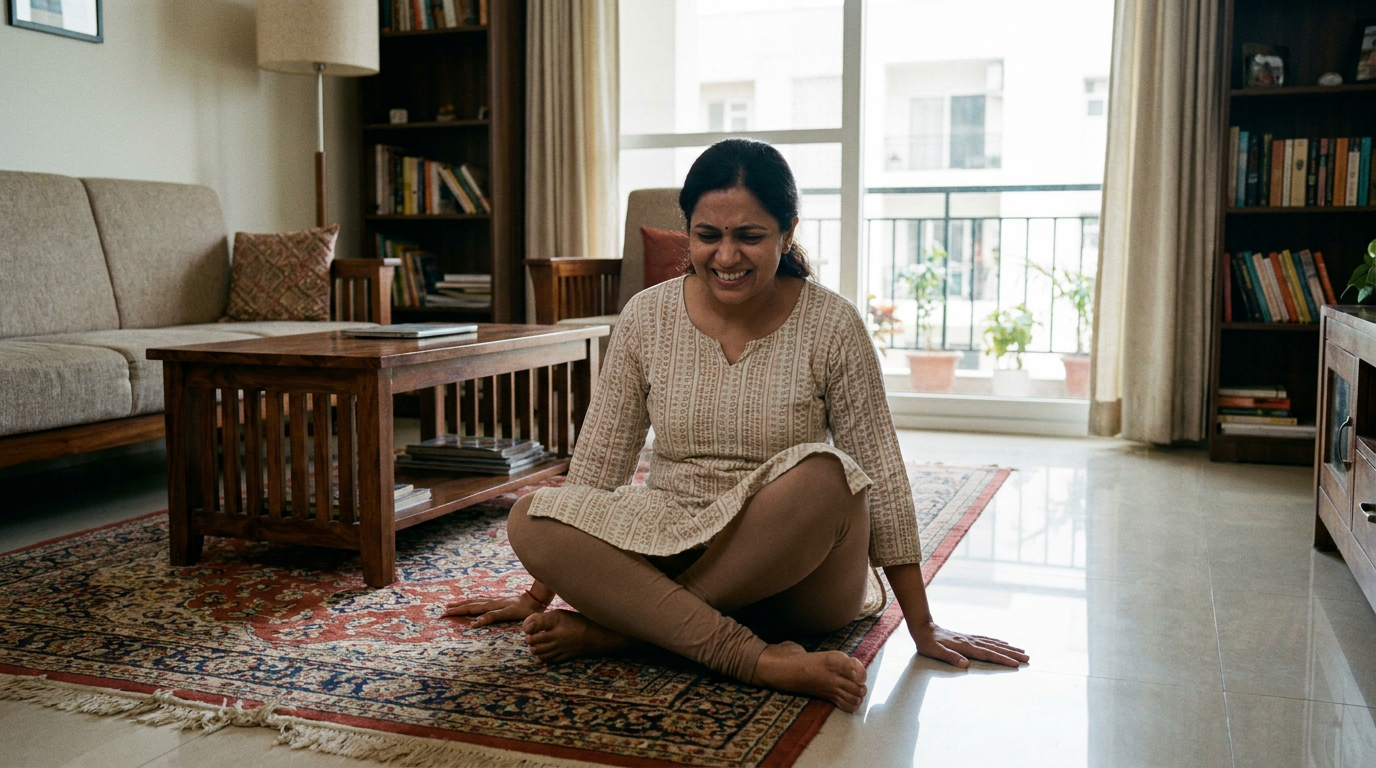
Sitting cross-legged on the floor is something many people do without much thinking. It could be during yoga, meditation, meals, or simply relaxing. However, if you suddenly find this uncomfortable or impossible, it may be your body's way of telling you that something has changed. While ageing may naturally affect flexibility, losing the ability to sit cross-legged is not always just a sign of getting older. It can point to tight muscles, stiff joints, poor posture, or even underlying health conditions.
Ignoring these changes may allow small problems to gradually become bigger ones, affecting your balance, mobility and overall quality of life. However, the good news is that, in many cases, this issue can be improved with simple lifestyle changes, regular stretching, and strengthening exercises. Understanding why your body struggles in this position is the first step toward fixing it. By identifying the possible causes early and taking the right steps, you can improve flexibility, protect your joints, and maintain healthy movement.
Why Sitting Cross-Legged Becomes Difficult
Sitting cross-legged requires several parts of the body to work together. Your hips need to rotate outward, your knees must bend comfortably, and your ankles should move freely. At the same time, your core and back muscles help you stay upright. If any of these joints or muscles become stiff, weak, or painful, sitting cross-legged can become challenging. The discomfort may develop gradually over months or years, making it easy to overlook until everyday activities become difficult. Read on to know the possible causes.
1. Tight Hip Muscles
Modern lifestyles often involve sitting in chairs for long hours. This keeps the hips in one position for extended periods, causing the muscles around them to become tight. When the hip flexors, glutes, or inner thigh muscles lose flexibility, rotating the legs outward becomes harder. As a result, sitting cross-legged may feel uncomfortable or even impossible. Regular stretching, walking, and mobility exercises can help improve hip flexibility over time.
2. Your Knees May Have Problems
Pain around the knees while sitting cross-legged should not be ignored. Conditions such as early osteoarthritis, ligament injuries, cartilage damage, or inflammation can make bending the knees painful. Some people avoid sitting cross-legged because they fear worsening the discomfort. If knee pain is persistent, severe, or has swelling, it is important to seek medical advice.
3. Stiff Ankles
Many people focus only on their hips and knees, but ankle mobility is also important. When ankles become stiff due to previous injuries, arthritis, or inactivity, they may not bend comfortably during cross-legged sitting. This can create pressure on the feet and make the position difficult to maintain. Simple ankle mobility exercises can gradually improve flexibility and comfort.
4. Weak Core and Poor Posture
Even if your joints are healthy, weak core muscles can make sitting on the floor difficult. Without enough strength in the abdominal and back muscles, maintaining an upright posture becomes tiring. Many people begin to slouch, which leads to back discomfort and makes the position feel unstable. Strengthening the core through regular exercise can improve posture and make floor sitting easier.
5. Arthritis
Joint stiffness that is worse in the morning or after long periods of rest may be linked to arthritis. Osteoarthritis, the most common type, gradually wears down joint cartilage, making movement painful. Rheumatoid arthritis, an autoimmune condition, can also affect the hips, knees, and ankles. If joint pain continues for several weeks, especially with swelling or reduced movement, it is important to consult a doctor.
Other Health Conditions That Can Affect Flexibility
Sometimes, difficulty sitting cross-legged is related to conditions beyond the joints. These include:
- Sciatica, which causes pain radiating down the leg
- Lower back problems that limit hip movement
- Muscle weakness due to lack of physical activity
- Obesity, which places extra stress on the hips and knees
- Previous fractures or surgeries affecting the lower limbs
How to Improve Your Ability to Sit Cross-Legged
If there is no serious medical condition, improving flexibility usually takes patience and consistency. Some helpful habits include:
- Stretch the hips, hamstrings, and inner thighs daily
- Perform strengthening exercises for the core and glutes
- Avoid sitting in the same position for long hours
- Take regular walking breaks throughout the day
- Practice gentle yoga or mobility exercises
- Warm up before stretching to reduce muscle stiffness
- Avoid forcing yourself into the position if it causes pain, as this may increase the risk of injury.
Being unable to sit cross-legged can be more than just a flexibility issue. It can be a sign of tight muscles, weak core strength, joint stiffness, arthritis, previous injuries, or other underlying conditions. Paying attention to these early signs gives you the chance to improve your mobility.
Disclaimer: This content including advice provides generic information only. It is in no way a substitute for a qualified medical opinion. Always consult a specialist or your own doctor for more information. NDTV does not claim responsibility for this information.