

)
Rice or chawla is a staple food that is eaten by a vast majority of Indians for its filling nature. But most people tend to eliminate rice from their diet if they want to lose weight. While there is actual research that points to weight loss if you choose not to eat rice, the effect has multiple factors influencing it. Research published in the Journal of Nutrition and Food Science suggests that weight loss depends on factors such as total calorie intake, portion size, and overall dietary pattern. Rather than focusing on the dietary elimination of a single ingredient such as rice, the complete diet and lifestyle of the individual affect how much weight they will be able to lose. If you are someone who thinks that by not eating rice, you could lose weight, then you may need to rethink the habit altogether.
Does Rice Really Cause Weight Gain?
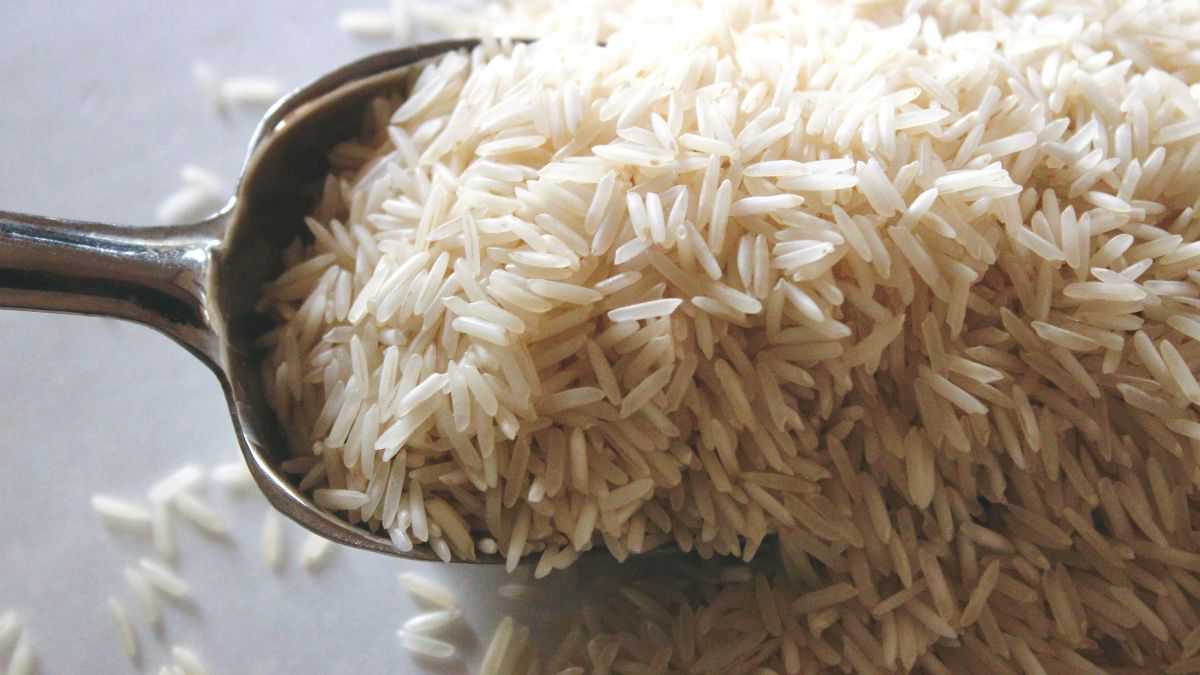
Rice is a complex carbohydrate that often gets blamed for its part in increasing your waist circumference. But the problem with rice is not that it causes weight gain but that people eat too much of it, which makes them put on weight. There are various kinds of rice available for consumption in the market, but most households prefer to eat the staple white rice.
Research published in the Asian Journal of Nutrition and Food Science points to the need to regulate your white rice portion size to control weight gain.
Note: If you are looking for the exact calorie content of white cooked rice that is most commonly consumed, then you need to know that cooked white rice contains about 130 calories.
The Indian Council of Medical Research (ICMR) and National Institute of Nutrition (NIN) have detailed that calorie needs tend to vary by age, sex, body weight, and daily physical activity. On average, men of 65 kg need 2,110 calories per day to maintain their current weight. But an Indian woman of the same weight needs 1,660 calories a day.
This calorie count can increase when the individual is physically active, and those with high levels of daily physical activity need to consume about 3,000 calories for women and 3,470 calories for men.
Based on this metric, you can actually calculate the exact calories that the rice in your diet makes up, based on your serving size, and balance it accordingly.
Can You Eat Rice Every Day And Still Lose Weight?
Yes, you can if your diet is balanced and your outlook towards weight is healthy. If you have problems with losing weight, as most people do, especially as they age, then you need to work hand-in-hand with a nutritionist or dietician, as your nutritional needs need to be fulfilled, as well as your weight, for sustainability.
People who maintain a calorie deficit tend to lose weight every day, and rice could be a part of your weight-loss diet.
Note: No single food causes weight gain; it is a mixture of factors that contribute to increasing your waist circumference and visceral fat.
How Much Rice Can You Eat While Trying To Lose Weight?
Research published in the Asian Journal of Food Science suggests that about half to 1 cup of cooked white rice can be a part of your weight loss diet.
But it is important to pair these portions of white rice with protein and vegetables.
The Best Way To Eat Rice For Weight Loss
If you are eating white rice and are looking to optimise your plate for maximum health benefits, then you need to balance it in the following manner.
Healthy Plate Method
This method involves half a plate of vegetables, a quarter of protein, and a quarter of rice.
Moreover, you can pair rice with:
- Dal
- Rajma
- Chana
- Fish
- Eggs
- Paneer
- Chicken
The best way to eat rice for weight loss needs to be balanced and practical, so you can follow this method every single day for maximum benefits.
Common Rice Mistakes That Can Stall Weight Loss
If you are consuming white rice daily and wondering why you are not able to lose weight, then you may be making any of these mistakes:
- Oversized portions that throw your calorie count out of balance.
- Eating rice with fried foods can derail your weight loss goals.
- Lack of protein can cause a hindrance to losing weight.
- Sugary beverages alongside meals can ruin their nutritional absorption and your weight loss goals.
- Frequent second servings are a sign of overeating.
Which Types Of Rice Are Healthier?
While there are multiple types of rice available in the market, it is important to know that each variety is not suitable for the Indian gut. For instance, brown rice, red rice, or black rice should be eaten as an experiment, and if it doesn't agree with your gut, then don't consume it. There can be side effects that can cause obstacles to your weight loss goals.
On the flip side, hand-pounded rice and fermented rice are healthy rice options that yield the best nutritional and weight loss benefits.
Parboiled rice has more fibre and starch content that could help with increasing weight slightly, but adjust your portion size accordingly.
A Sample Indian Weight Loss Meal Plan With Rice
According to nutritional research, there are ways that you could optimise your weight loss goals. But this is based on general nutritional advice and needs to be tweaked according to your age, physical activity levels, and nutritional needs.
- Breakfast: Vegetable poha and boiled eggs
- Lunch: 1 cup rice, dal, sabzi, and salad
- Snack: Fruit and nuts
- Dinner: Grilled paneer/fish, vegetables, and a small serving of rice.
Tips To Lose Weight Without Giving Up Rice
If you want to lose weight practically and not give up consuming rice, then you need to follow these tips:
- Focus on total calorie intake, as this is what is needed for weight management.
- Increase protein intake, as most people lack the needed protein levels.
- Stay physically active, as it can help make your metabolism faster and help you maintain your current weight.
- Prioritise vegetables and avoid ultra-processed foods, as this is the golden rule if you want to lose weight.
People tend to lose weight even while eating rice daily, as they pay attention to their portion size, the quality of their meals, and the balance of their nutritional content. You can also do the same, but you need to make a cautious effort to do so.
Also Read: Can 100g Of Sattu Daily Replace Your Post-Workout Shake?