

)
Exercising regularly is important for women at every stage of life, but it becomes even more essential after the age of 40. As the body ages, natural changes such as a slower metabolism, gradual loss of muscle mass, and reduced bone density can make it easier to gain weight and harder to stay active. Hormonal changes during perimenopause and menopause can also affect energy levels, mood, sleep, and overall health. Staying physically active helps the body adapt to these changes while improving strength, stamina, and flexibility. It also improves heart health, keeps blood sugar levels under control, and helps maintain a healthy weight.
The good thing is that it is never too late to make exercise a part of your routine. A balanced fitness plan can improve mobility, reduce the risk of falls, ease joint stiffness, and help women stay independent as they grow older. Regular physical activity is also known to reduce stress, boost mental well-being, and improve sleep quality. Here are some exercises every woman should start doing after 40.
Exercises For Women After 40
1. Brisk Walking
Walking is one of the easiest and most effective exercises for women after 40. It improves heart health, helps maintain a healthy weight, boosts mood, and supports bone health. A brisk walk for 30-45 minutes on most days of the week can lower the risk of chronic conditions like diabetes, high blood pressure, and heart disease. Walking is also gentle on the joints, making it suitable for beginners or those returning to exercise after a break.
2. Strength Training
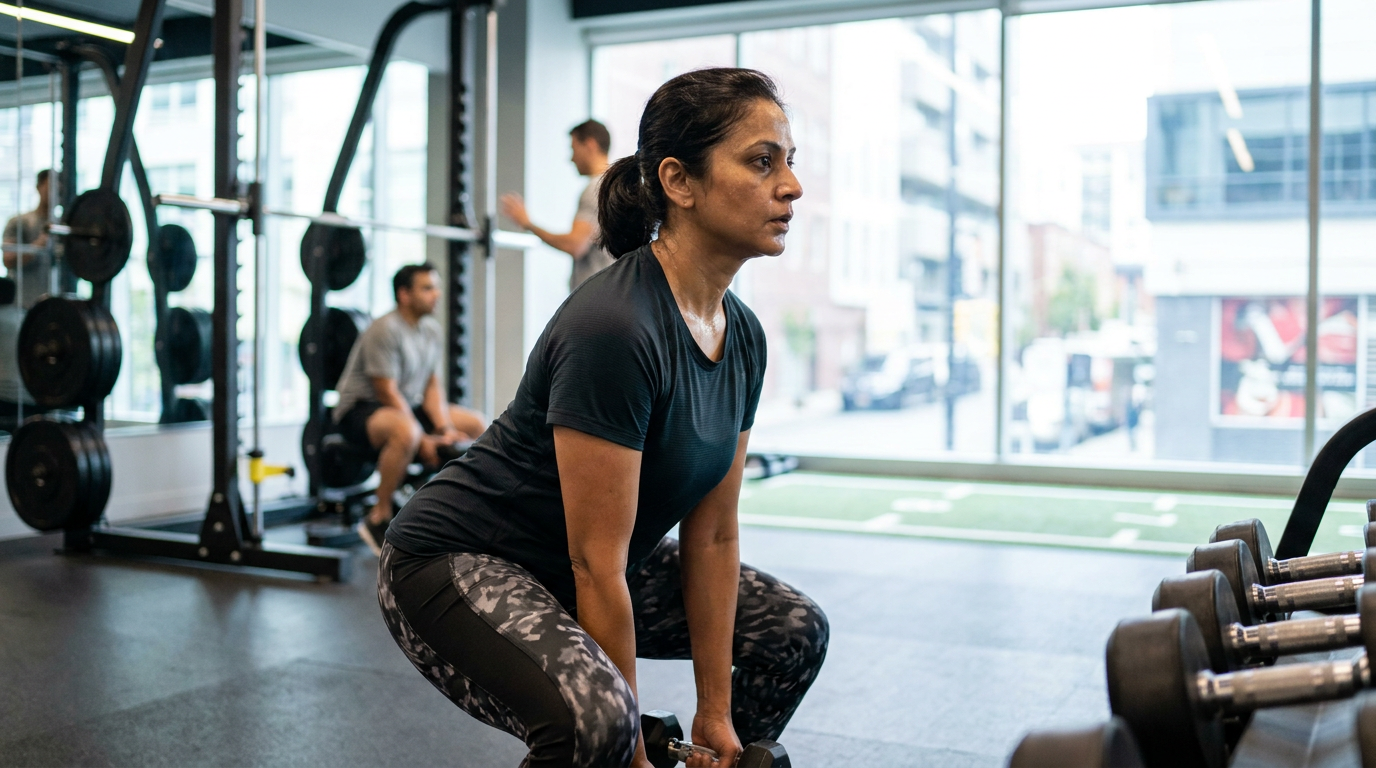
After the age of 40, women naturally begin to lose muscle mass, especially during and after menopause. Strength training helps slow this process by building and preserving lean muscle. Exercises using dumbbells, resistance bands, or even body weight, such as squats, lunges, and push-ups, help to improve muscle strength and increase metabolism. Strong muscles also protect joints, improve posture, and make everyday activities.
3. Squats
Squats are one of the best lower-body exercises for women over 40. They strengthen the thighs, hips, glutes, and core while improving balance and mobility. Strong leg muscles reduce the risk of falls and support healthy knees. Squats also mimic daily movements such as sitting down and standing up, making them highly functional.
4. Yoga
Yoga offers physical as well as mental health benefits that become increasingly important with age. Regular practice improves flexibility, balance, posture, and muscle strength while reducing stress and anxiety. Certain yoga poses also support joint mobility and may help ease stiffness caused by prolonged sitting or ageing. Even 20 to 30 minutes of yoga several times a week can make a difference.
5. Core-Strengthening Exercises
A strong core supports the spine, improves posture, and reduces the risk of back pain, which becomes more common after 40. Exercises such as planks, bird dogs, dead bugs, and pelvic bridges strengthen the abdominal and lower back muscles without placing excessive stress on the body. A stronger core also improves balance and stability, making everyday movements safer and more efficient.
6. Low-Impact Cardio
Low-impact cardio exercises such as cycling, swimming, elliptical training, or water aerobics provide great cardiovascular benefits without putting too much pressure on the joints. These exercises improve endurance, circulation, and lung function while helping manage body weight. They are useful for women with knee pain, arthritis, or joint discomfort. Including at least 150 minutes of moderate-intensity cardio each week can improve overall health.
7. Stretching Exercises
Flexibility tends to decrease as muscles and connective tissues become less elastic with age. Regular stretching helps maintain joint mobility, reduces muscle stiffness, and improves overall movement. Gentle stretches for the neck, shoulders, back, hips, hamstrings, and calves can reduce tension caused by long hours of sitting or daily activities. Stretching after a workout or at the end of the day can also help in recovery and reduce the risk of injury.
Disclaimer: This content including advice provides generic information only. It is in no way a substitute for a qualified medical opinion. Always consult a specialist or your own doctor for more information. NDTV does not claim responsibility for this information.