





- Over 1 billion people globally live with obesity, doubling since 1990 according to WHO
- India's obesity rates are high, with 28.6% generalised and 39.5% abdominal obesity prevalence
- Early obesity increases premature death risk by 70% and accelerates biological ageing
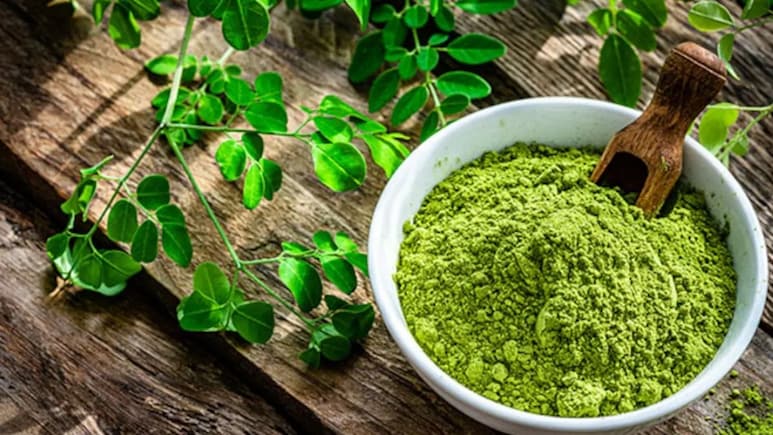
In India, anaemia remains a silent public health crisis, affecting over 50% of women of childbearing age and a significant portion of the paediatric population. The symptoms can range from persistent fatigue, sudden dizziness, brittle nails, and a constant sense of exhaustion that are often dismissed as the side effects of a busy lifestyle. However, as clinical focus shifts toward sustainable, food-based recovery, nutritionists are highlighting the power of Moringa Oleifera, which has made it come into focus. It is commonly known as the drumstick tree; this indigenous plant is proving to be a potent natural remedy for boosting iron levels and restoring vitality.
The key to overcoming iron deficiency lies in increasing the bioavailability of the nutrients people consume. By integrating just one teaspoon of this green superfood into your daily routine, you can bridge the nutritional gap that leads to chronic fatigue and weakness.
What Is Anaemia And Why Does Iron Matter?
Anaemia occurs when your blood lacks enough healthy red blood cells or haemoglobin. Since haemoglobin is responsible for transporting oxygen throughout the body, a deficiency means your organs and tissues aren't receiving the fuel they need to function optimally. To get a deeper insight, NDTV spoke to Nutritionist Lovneet Batra, who explains that, "iron is an essential mineral required for the production of haemoglobin, and low levels can lead to extreme physical exhaustion."
Those at the highest risk include women due to menstrual blood loss, vegetarians who rely on non-heme iron, and pregnant individuals who require higher stores for foetal development. Without adequate iron, the body simply cannot maintain its energy levels.
Why A Nutritionist Is Recommending Moringa
Lovneet Batra recommends moringa as it has transitioned from a traditional Ayurvedic staple to a global "superfood" for good reason. Its leaves are a concentrated source of nutrients that directly combat the biological markers of anaemia.
- Moringa is unique because it contains the full "absorption kit" required for the body to actually utilise the minerals it provides.
- Gram for gram, dried moringa powder contains significantly more iron than spinach.
- Furthermore, it is naturally rich in vitamin C, which is the primary catalyst for absorbing plant-based iron.
- Alongside vitamin A and folate, which are crucial for the production and maturation of healthy red blood cells.
Also Read: Gastroenterologist Explains How Drinking Methi Water Every Morning Can Benefit Grade-1 Fatty Liver
How 1 Teaspoon of Moringa May Help Improve Anaemia
Research indicates that even small, consistent doses of moringa can move the needle on haemoglobin levels. A study published in the Journal of Paediatric Nursing Sciences observed that moringa leaf juice significantly increased haemoglobin levels in adolescent girls. Here is the exact reason behind the dosage:
- A single teaspoon (approx. 5g) of moringa powder provides a dense dose of bioavailable iron.
- Because it is a whole-food source, it avoids the common side effects of synthetic iron supplements, such as nausea or constipation.
- By supporting the bone marrow in red blood cell production, it directly targets the "heavy limbs" and brain fog associated with chronic anaemia.
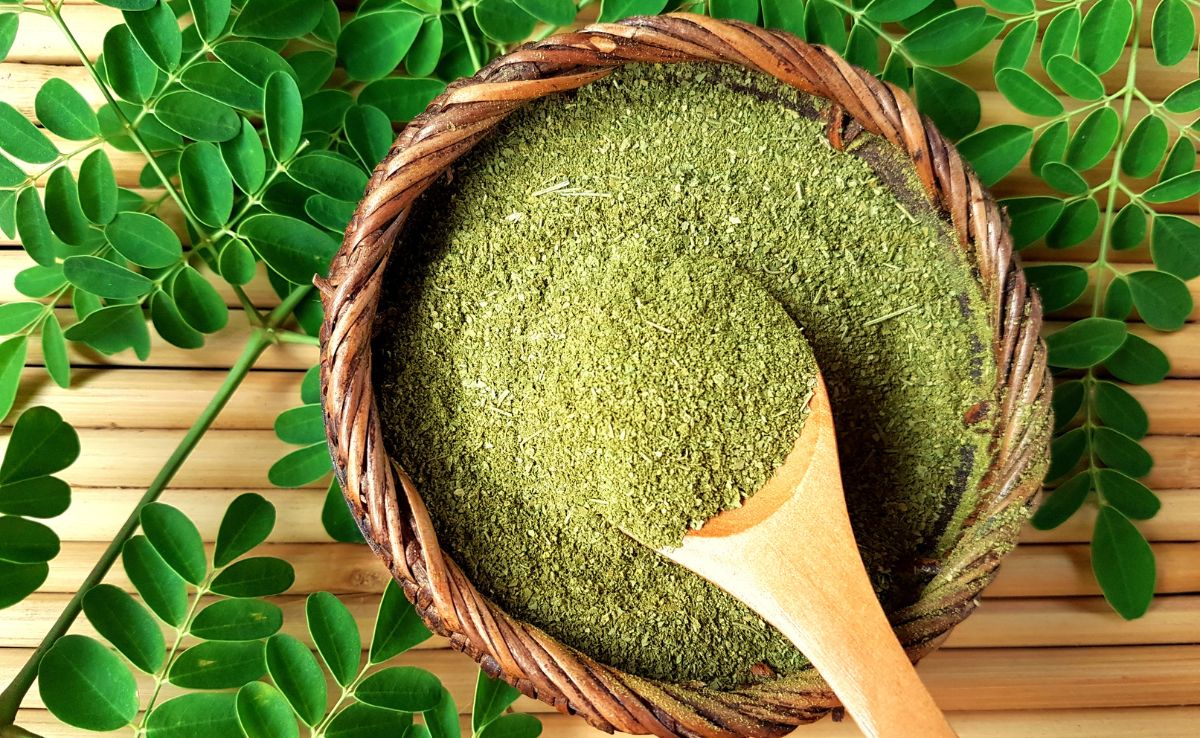
Photo Credit: Canva
7 Diet Tips To Prevent And Manage Anaemia
As shared by a nutritionist like Lovneet Batra, managing iron requires a strategic approach to eating.
- Always pair iron with vitamin C, like squeezing lemon over your dal.
- Avoid tea or coffee with meals, as tannins block absorption.
- Use cast-iron cookware to naturally leach minerals into your food.
- Eat sprouted grains to reduce anti-nutrients like phytic acid.
- Snack on dates and pomegranates.
- Maintain gut health with probiotics like curd.
- Focus on consistency over intensity; a small daily dose of Moringa is better than occasional high-dose supplements.
Also Read: Is Okra Water Good For Diabetics? Impact On Blood Sugar Levels Explained
How To Consume Moringa For Best Results
To maximise the benefits of your 1-teaspoon daily habit, timing and pairing are essential. The most effective method is a morning tonic:
- Mix one teaspoon of Moringa powder into a glass of warm water with a dash of lemon juice to activate the iron.
- Alternatively, blend it into a fruit smoothie to balance its slightly earthy, peppery flavour profile.
- It is also highly effective when stirred into lentils or soups after they are taken off the heat.
- This ensures that the heat-sensitive vitamin C is preserved, allowing for maximum iron uptake during your main meals.
Moringa vs Other Iron-Rich Foods
While spinach is often the go-to for iron, it contains oxalates that can hinder uptake. Beetroot is excellent for circulation but has a lower iron concentration per gram. In contrast, moringa stands out because it naturally combines high iron content with the vitamin C needed to process it. This "all-in-one" nutritional profile makes it more efficient than lentils or dates alone.
Lovneet Batra favours Moringa because it is a dense, low-calorie way to supplement iron without the digestive distress often caused by synthetic pills. It remains one of the most bioavailable plant-based sources of iron available.
Who Should Be Cautious?
While Moringa is a natural superfood, it is highly potent and should be used with care. As it needs a safe consumption approach:
- It is not a replacement for prescribed medical treatment for severe anaemia, particularly if haemoglobin levels are below 8 g/dL.
- Pregnant individuals should always consult a doctor before adding it to their diet, as it can occasionally affect hormone levels.
- Furthermore, those on blood thinners or diabetes medication should seek professional advice to avoid potential interactions.
- Starting with a smaller dose, such as a quarter teaspoon, is recommended to ensure your digestive system adjusts to the high nutrient density.
Fighting fatigue doesn't always require complex medical interventions. By integrating just one teaspoon of moringa into your daily diet, you are utilising an ancient Indian superfood backed by modern nutritional science. As Lovneet Batra emphasises," the key to health lies in using kitchen-based remedies to support your body's natural healing processes."
This simple habit can transform your energy levels, improve your immunity, and help you overcome the debilitating effects of iron deficiency. Embrace this natural boost to reclaim your vitality and move toward a more balanced, energetic life through the power of informed, plant-based nutrition.
Disclaimer: This content, including advice, provides generic information only. It is in no way a substitute for a qualified medical opinion. Always consult a specialist or your own doctor for more information. NDTV does not claim responsibility for this information.
Track Latest News Live on NDTV.com and get news updates from India and around the world

