

)
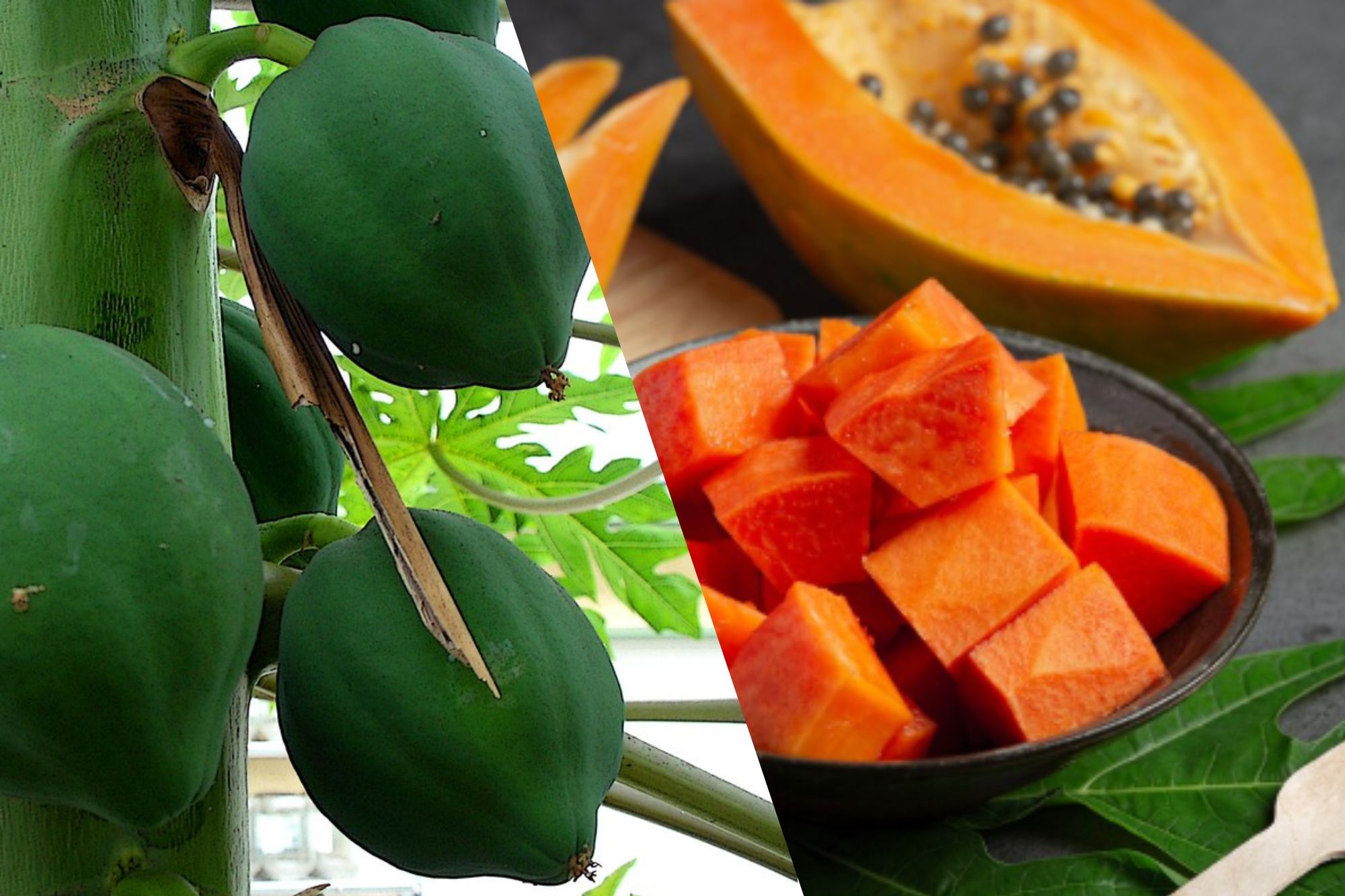
Papaya, be it in its raw form or ripe form, can offer numerous health benefits, especially when it comes to controlling blood sugar. Raw papaya is green and tough in texture and needs to be treated in a specific manner to make it fit for human consumption. On the other hand, ripe papaya is sweet and has a soft texture, and can be easily consumed after removing its flesh. When it comes to the ability of each of these varieties to control blood sugar levels after they are eaten, research published in the Rom J Diabetes Nutr Metab Dis journal suggests that papaya extracts reduced blood glucose, which is believed to have vitamin C, fibre, flavonoids, and saponin. The ripeness of the fruit affects the blood sugar spike it will cause after it is eaten, and 101 million adults living with diabetes are often confused about which papaya variety is better for their blood sugar. To exactly understand this, their individual nutritional profile, fibre content, digestive capabilities, and glycaemic index matter.
Nutritional Differences Between Raw And Ripe Papayas
Diabetic people face an issue managing their blood sugar levels after eating, which extends to fruits with naturally high sugars. Papaya is one such fruit that requires careful consideration when it comes to eating daily. This is why you need to know the exact nutritional content that each papaya variety can offer people who have problems with their blood sugar management. When it comes to overall nutrition, the Indian Council of Medical Research and National Institute of Nutrition details that raw papaya per 100 g contains the following nutritional content:
- Energy: 32 calories
- Carbohydrates: 5.5 g
- Total Sugars: 1.2 g
- Dietary Fibre: 2.6 g
- Protein: 0.6 g
- Fat: 0.1g
- Vitamin C: 58 mg
- Vitamin A: 225 ug
- Potassium: 190 mg
- Calcium: 23 mg
- Glycaemic Load: Low
When ripe papaya is considered, the following nutritional profile offers your body its vitamins and minerals:
- Energy: 43 calories
- Carbohydrates: 10.8 g
- Total Sugars: 7.8 g
- Dietary fibre: 1.7 g
- Protein: 0.5 g
- Fat: 0.1 g
- Vitamin C: 61 mg
- Vitamin A: 270 ug
- Potassium: 182 mg
- Calcium: 20 mg
- Glycaemic Load: Moderate
Carbohydrate And Sugar Content
When both papaya quantities are concerned, then raw papaya has lower natural sugars and more complex carbohydrates that make it beneficial for diabetics. The natural sugars in ripe papaya are lower than in ripe papaya, which makes it a better option for people who are prediabetic or have type-1 or type-2 diabetes, but if you have never eaten a raw papaya before, then you need to consult a nutritionist or dietician to figure out how to rightfully introduce it for aiding in blood sugar control.
On the other hand, ripe papaya has a higher fructose content that can lead to a sudden sugar spike, so people who are diabetic should regulate their portion size. Consume the fruit as per your doctor's advice and make sure to follow medical advice instead of over-the-counter elimination.
Also Read: Animal Protein vs Plant Protein: Which Is Better For Heart Health?
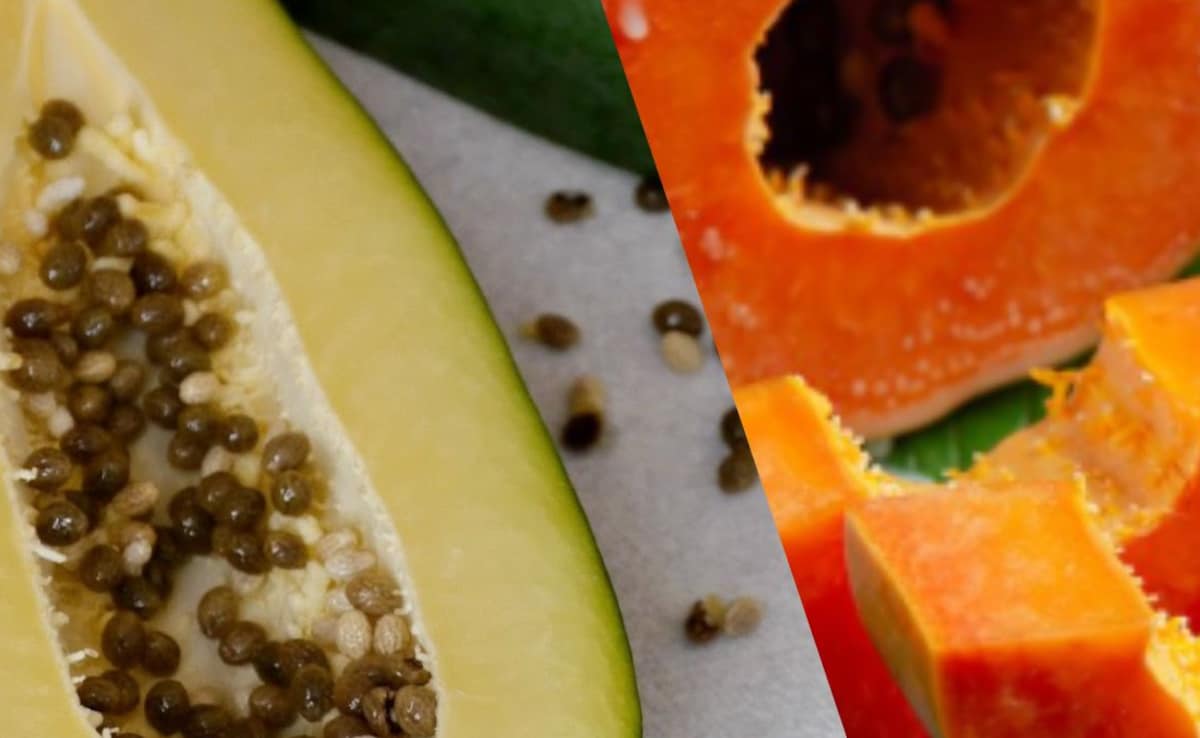
Raw and ripe papaya
Photo Credit: Google/Creative Commons and Freepik
Fibre Content And Digestion
When fibre content is concerned, as it facilitates digestion, raw papaya has a higher fibre content and releases glucose slowly. On the other hand, ripe papaya makes digestion easier but causes a sugar spike quickly after eating due to its naturally high natural sugars in it. To understand this further, NDTV spoke to Dr Saurabh Sethi, a gastroenterologist trained at Harvard, Stanford, and AIIMS, who said that "small daily habits can quietly drive up insulin demand without us realising it," and one such dietary habit is eating fruits that have naturally high sugars.
Glycaemic Index Of Raw Papaya And Ripe Papaya
The glycaemic index is the blood glucose spike that is caused by eating a certain food source. Raw papaya has a low glycaemic index, especially when it is cooked, as it is tough to consume raw. While ripe papaya has a moderate glycaemic index, it specifically matters for diabetes management.
Benefits Of Raw Papaya For Blood Sugar Control
The above nutritional profile indicates that raw papaya contains the following aspects that make it beneficial for adequate blood sugar control:
- High fibre content helps support insulin sensitivity, which is crucial for people who struggle with controlling their blood sugar levels.
- Helps reduce post-meal sugar spikes, which is better for diabetics, as sudden spikes can cause health complications.
- Raw papaya is often used in sabzi, curries, and salads, which are easy ways to consume it and make it a part of the everyday diet.
Also Read: Muscle Loss And Reduced Strength Are Emerging As Major Health Concerns; Fortis Doctor Explains Why
Is Ripe Papaya Bad For Diabetics?
Ripe papaya isn't bad for diabetics, as it spikes blood sugar levels, and it contains essential vitamins and minerals that are necessary for long-term health. But you need to control the portion size, and it is best eaten in small quantities, and it needs to be paired with protein or fat to maximise its potential as a healthy fruit. You need to avoid eating overripe papaya, as the overly sweet taste can cause greater blood sugar spikes.
Raw Or Ripe Papaya: Which Should Diabetics Choose?
When people have diabetes, it is best to consult a nutritionist or dietitian to figure out the exact portion size that works along with their medications. You need to know that eating both is preferable, as both have natural vitamins and minerals needed for their specific health benefits. Raw papaya is better for regular consumption, while ripe papaya is better consumed in moderation.
Best Ways To Eat Papaya If You Have Diabetes
If you are someone who has diabetes, then you need to consume papaya in the following manner:
- Either cooked raw papaya sabzi or raw papaya sauteed in a salad.
- Stir-fried raw papaya is combined with high protein and fats to maximise its health benefits.
- A small bowl of ripe papaya post-meal to reduce blood sugar spikes.
- Avoid papaya juice, as most ready-made juice happens to contain added sugars.
Who Should Be Careful With Papaya?
Papaya is a natural fruit that should be consumed with a mindful approach. But people need to be careful if they are any of the following as per the research published in the Inflammopharmacology journal: :
- For people on insulin, it is best to consult your primary care physician for the right quantity and timing.
- Those with fluctuating sugar levels should avoid eating too much ripe papaya in one sitting.
- Pregnant women should be cautious of their raw papaya consumption, as it can cause gastric distress.
In conclusion, raw papaya is better for blood sugar control, while ripe papaya can be eaten occasionally with caution. The portion size and preparation of each variety make the biggest difference when it comes to blood sugar spikes.
Disclaimer: This content, including advice, provides generic information only. It is in no way a substitute for a qualified medical opinion. Always consult a specialist or your own doctor for more information. NDTV does not claim responsibility for this information.