

)
19.41 million deaths occur globally due to heart disease, especially in South and Central Asia, where India contributes a significant portion to this staggering figure. This has been documented in a report by the American Heart Association that highlights a rising heart disease burden in India. One of the major contributors to the rising cases of heart disease is primarily a diet that mostly contains animal protein. According to the research published in the Journal of Cardiovascular Development and Disease, animal protein consumption has a negative impact on heart health over time.
Which Kind Of Protein Is Needed For A Healthy Heart
When it comes to the type of protein needed for a healthy heart, people need to focus on where they are getting their protein dose. There is a need to prioritise plant-based protein so that it can have a better dietary effect on the heart, but people habitually tend to eat more animal protein in their diets due to the availability and lack of availability of good-quality plant-sourced protein.
The research published in the J Cardiovasc Dev Dis indicates that plant-based protein is needed for long-term heart functioning, as it has micro- and macronutrients that can better nourish the heart's muscles.
India's Heart Health Context
India has a high heart disease burden, as highlighted by the World Heart Federation, which recorded 2,873,266 deaths. The rise in cardiovascular diseases indicates a need to reassess their dietary habits that may be contributing to the high disease incidence.
Meat consumption is rising in urban areas, but the majority of them still rely on pulses and dairy to get their protein dose. The right approach is to strike a balance, as people need to tailor their protein intake from both sources.
If one protein source overrides the other, then the heart tends to bear the consequences.
Culturally in India, dal, chickpeas, soy, and nuts are traditional plant-based protein sources that can be balanced with a small portion of animal protein to ensure your heart remains healthy long-term.
Also Read: Statins Vs Ezetimibe: Which High Cholesterol Drug Lowers Cholesterol With Lesser Side Effects?
Animal Protein: Pros And Cons
When it comes to animal protein sources, the health benefits that they can provide are as follows:
It provides the body with complete amino acids and can even aid in muscle building, as people who exercise daily can benefit from this particular protein source.
When it comes to the disadvantages of consuming animal protein, it is high in saturated fat and cholesterol and is even linked to heart disease, as the fats can't be metabolised by the heart.
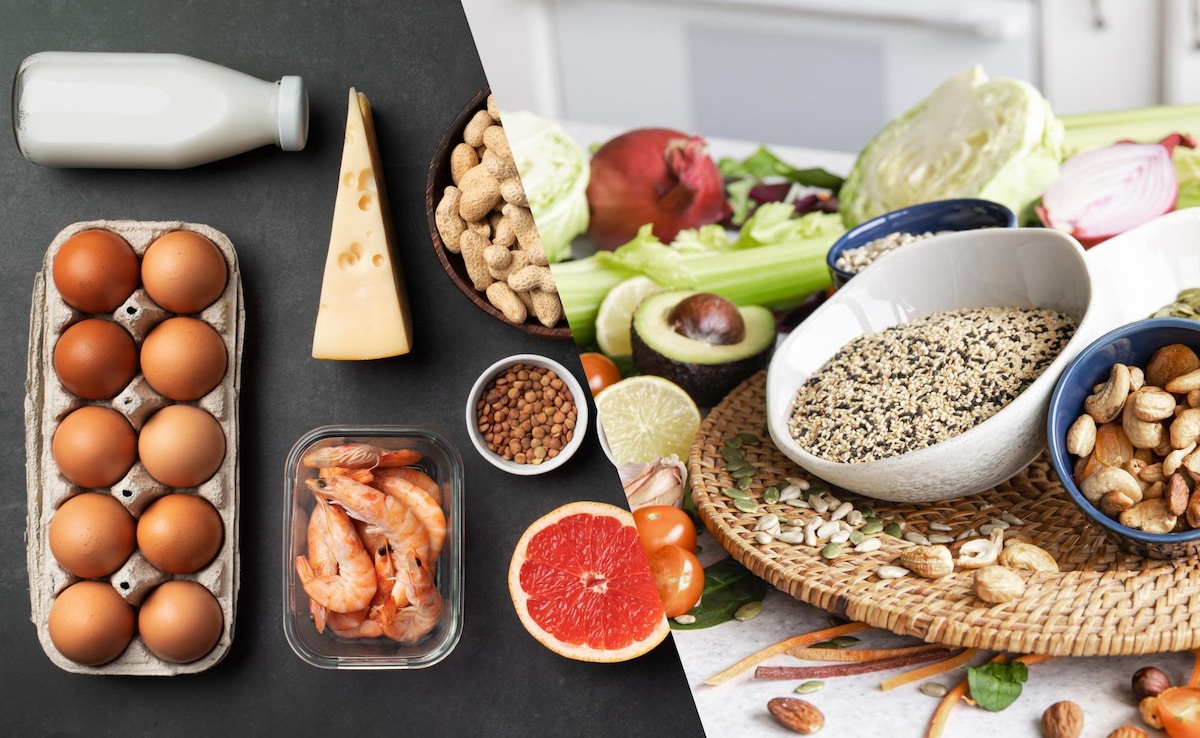
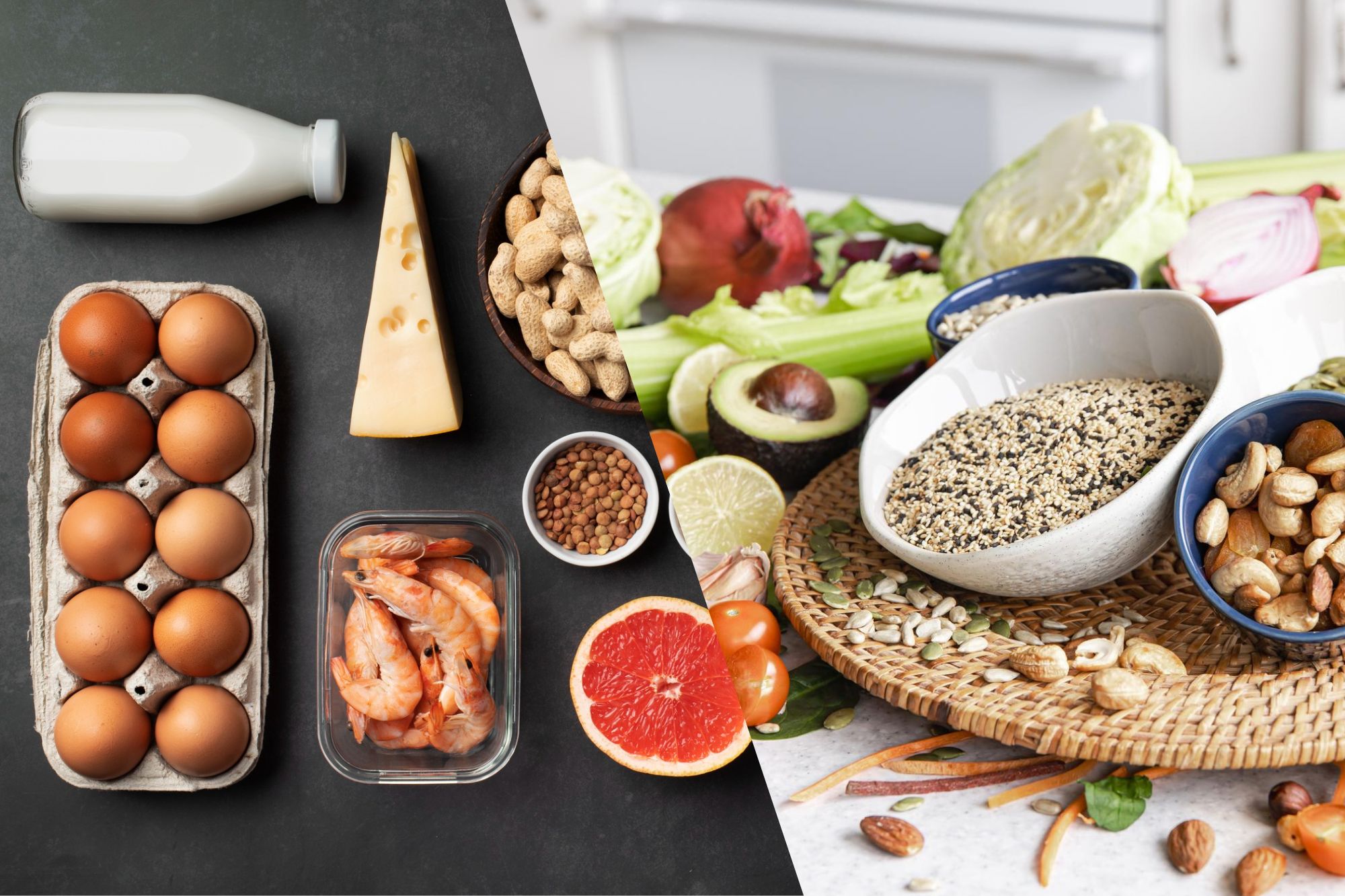
Animal and protein dietary sources
Photo Credit: Freepik
Plant Protein: Pros And Cons
Plant protein has a natural composition that can be easily absorbed by the body when it is consumed and is even light on the digestive tract. When compared with animal protein, plant protein sources can be better metabolised by the body and can improve overall energy levels.
When it comes to their beneficial aspects, plant proteins provide the body with fibre and antioxidants, lower cholesterol, and are better for heart health.
But disadvantages may be present, as plant proteins lack complete-chain amino acids that are required for heart function. You need to strike a careful combination for a complete amino acid profile and make sure your heart function remains optimal.
Also Read: How To Add More Protein To Indian Diet: 6 Tips To Follow
Practical Tips For Indians
There are practical ways to implement red meat consumption and strike a balance for both animal and plant-based protein. Here are the tips that you can easily use:
- Replace red meat with pulses, soy, and paneer alternatives that can offer a richer and more balanced amino acid and nutrient profile.
- Use nuts and seeds for snacks, as they can satiate hunger and regulate appetite while nourishing the body with essential vitamins and minerals.
- You need to opt for traditional plant-based meals such as idli-sambar, rajma-chawal, and khichdi, as their composition is a rich protein source that can provide the body with its required protein dosage.
Plant protein is better for heart health, especially in India, where dietary habits drive a lot of the heart disease load. And you need to consult a nutritionist with a balanced diet and implement the right lifestyle changes to ensure your heart remains healthy long-term.
Disclaimer: This content, including advice, provides generic information only. It is in no way a substitute for a qualified medical opinion. Always consult a specialist or your own doctor for more information. NDTV does not claim responsibility for this information.