

)
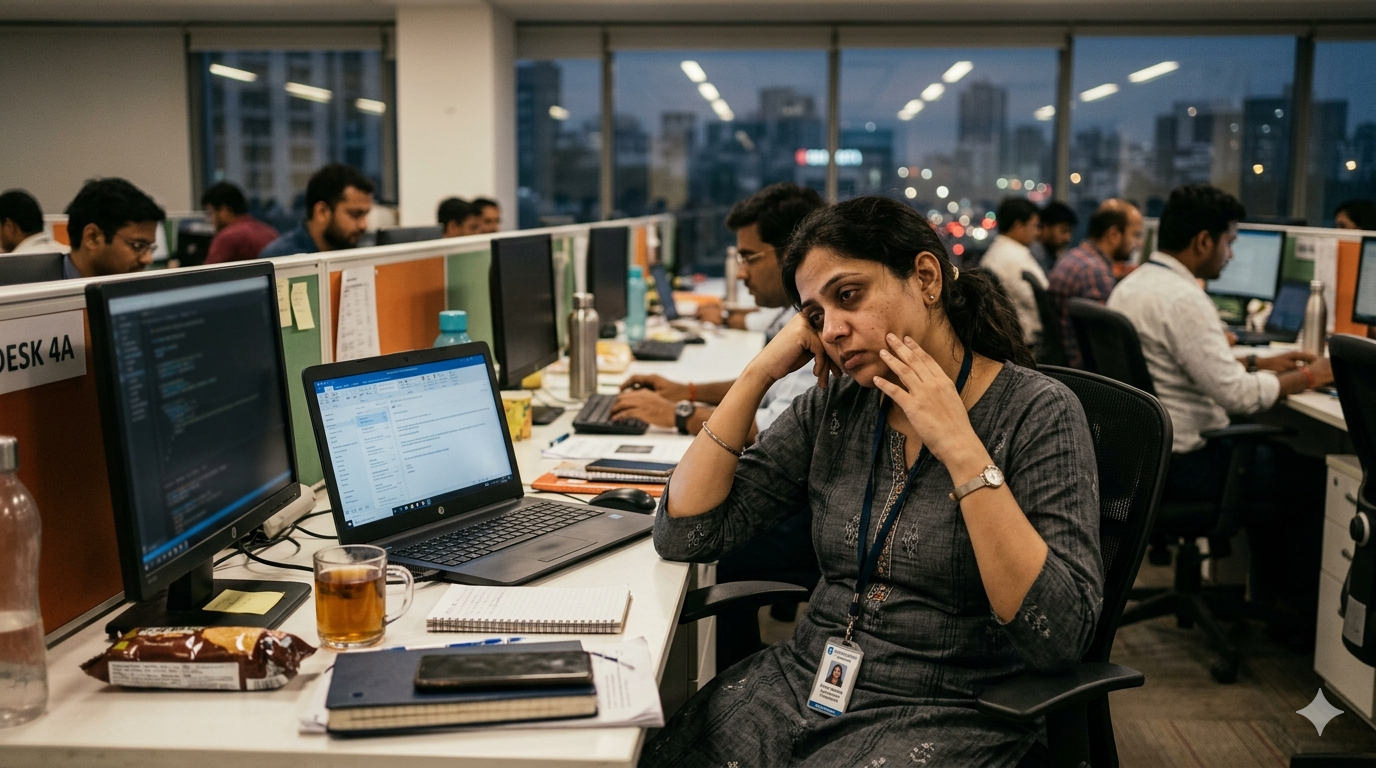
Persistent tiredness is often normalised in women as a byproduct of a busy routine, professional responsibilities, or household demands. However, from a clinical perspective, ongoing fatigue is rarely just a lifestyle issue. In many cases, it reflects underlying physiological imbalances that directly affect energy levels, mental clarity, and overall health.
Among the most common contributors to sustained fatigue in women are iron deficiency and hormonal fluctuations. These factors are frequently overlooked, despite their strong impact on daily functioning and long-term wellbeing.
The Burden of Iron Deficiency
Iron plays a critical role in the body's ability to produce haemoglobin, a protein in red blood cells that carries oxygen to tissues. When iron levels are low, oxygen delivery becomes less efficient, resulting in symptoms that go beyond simple tiredness.
Common signs of low iron levels include:
Persistent fatigue and low stamina
Headaches and dizziness
Shortness of breath on exertion
Difficulty concentrating
Pale skin and weakness
Data from the National Family Health Survey (NFHS) indicates that over 50 percent of women in India have low haemoglobin levels, highlighting the scale of the problem. What is often missed is that even mild or borderline iron deficiency, without overt anaemia, can still lead to noticeable fatigue.
Women are particularly vulnerable due to:
- Menstrual blood loss
- Increased nutritional demands during pregnancy
- Diets low in iron rich foods
This makes regular monitoring and early intervention essential.
Hormonal Fluctuations and Energy Levels
Hormones have a direct influence on how the body regulates energy. In women, variations in oestrogen and progesterone levels across the menstrual cycle can significantly affect mood, sleep, and metabolism.
In the premenstrual phase, hormonal shifts can lead to:
- Increased fatigue
- Changes in appetite
- Disturbed sleep
- Reduced concentration
Conditions such as premenstrual syndrome and premenstrual dysphoric disorder can further intensify these symptoms, making fatigue more pronounced and disruptive.
Thyroid Function and Metabolic Health
The thyroid gland plays a central role in regulating metabolism. When thyroid hormone levels are low, as seen in hypothyroidism, the body's processes slow down.
Women with thyroid dysfunction may experience:
- Persistent tiredness
- Weight gain
- Cold intolerance
- Slowed thinking and reduced focus
Hypothyroidism is more common in women and often goes undiagnosed in the early stages, as symptoms can be subtle and overlap with general fatigue.
The Role of Stress and Cortisol
Chronic stress has a measurable impact on the body's hormonal balance. Elevated cortisol levels can disrupt sleep patterns and interfere with the natural circadian rhythm.
This can lead to:
- Poor sleep quality despite adequate hours of rest
- Daytime fatigue
- Reduced ability to cope with physical and mental demands
Over time, stress related hormonal changes can worsen existing fatigue and make recovery more difficult.
The Link Between Hormones and Iron Levels
Iron deficiency and hormonal imbalance are often interconnected. Heavy menstrual bleeding can gradually deplete iron stores, while hormonal irregularities may influence appetite, digestion, and nutrient absorption.
This creates a cycle where:
- Low iron levels worsen fatigue
- Hormonal imbalance further reduces energy
- Lifestyle factors make recovery slower
Breaking this cycle requires identifying and addressing both aspects together rather than in isolation.
Lifestyle Factors That Add to Fatigue
Modern lifestyle patterns often compound physiological causes of tiredness. Even when underlying issues exist, daily habits can either support recovery or worsen fatigue.
Common contributing factors include:
- Irregular meal timings
- Diets lacking in iron rich foods such as green leafy vegetables, pulses, and lean proteins
- Sedentary lifestyle
- Poor sleep hygiene
- High levels of unaddressed stress
These factors may seem minor individually, but together they significantly affect overall energy levels.
A Structured Approach to Managing Fatigue
Addressing persistent tiredness requires a comprehensive and systematic approach rather than isolated changes.
Key steps include:
- Routine screening for haemoglobin levels
- Assessment of thyroid function and hormonal health
- Adopting a balanced diet with adequate iron intake
- Ensuring regular sleep patterns
- Managing stress through practical lifestyle adjustments
- Seeking medical advice before starting supplements
In cases where deficiencies or imbalances are identified, targeted treatment such as iron supplementation or hormonal therapy may be recommended under medical supervision.
Why Fatigue Should Not Be Ignored
Fatigue is often dismissed as a minor inconvenience, but when it becomes persistent, it can affect productivity, mental health, and quality of life. More importantly, it may be an early indicator of an underlying health issue.
Timely recognition and intervention can:
- Improve energy levels and daily functioning
- Prevent progression of deficiencies
- Reduce the risk of long-term complications
- Support overall physical and mental wellbeing
Looking Beyond Routine Explanations
It is important to move beyond the assumption that constant tiredness is simply a part of modern life. While busy schedules do contribute, they are rarely the sole cause.
Understanding the role of iron levels, hormonal balance, and lifestyle factors allows for a more accurate and effective approach to managing fatigue. With appropriate evaluation and timely care, most underlying causes can be identified and addressed.
Persistent tiredness should be viewed as a clinical signal rather than a routine experience. Recognising it early and responding appropriately can make a significant difference to long term health and quality of life.
(By Dr Niti Kautish, Director and HOD Department of Obstetrics and Gynaecology, Fortis Escorts Hospital Faridabad)
Disclaimer: The opinions expressed within this article are the personal opinions of the author. NDTV is not responsible for the accuracy, completeness, suitability, or validity of any information on this article. All information is provided on an as-is basis. The information, facts or opinions appearing in the article do not reflect the views of NDTV and NDTV does not assume any responsibility or liability for the same.